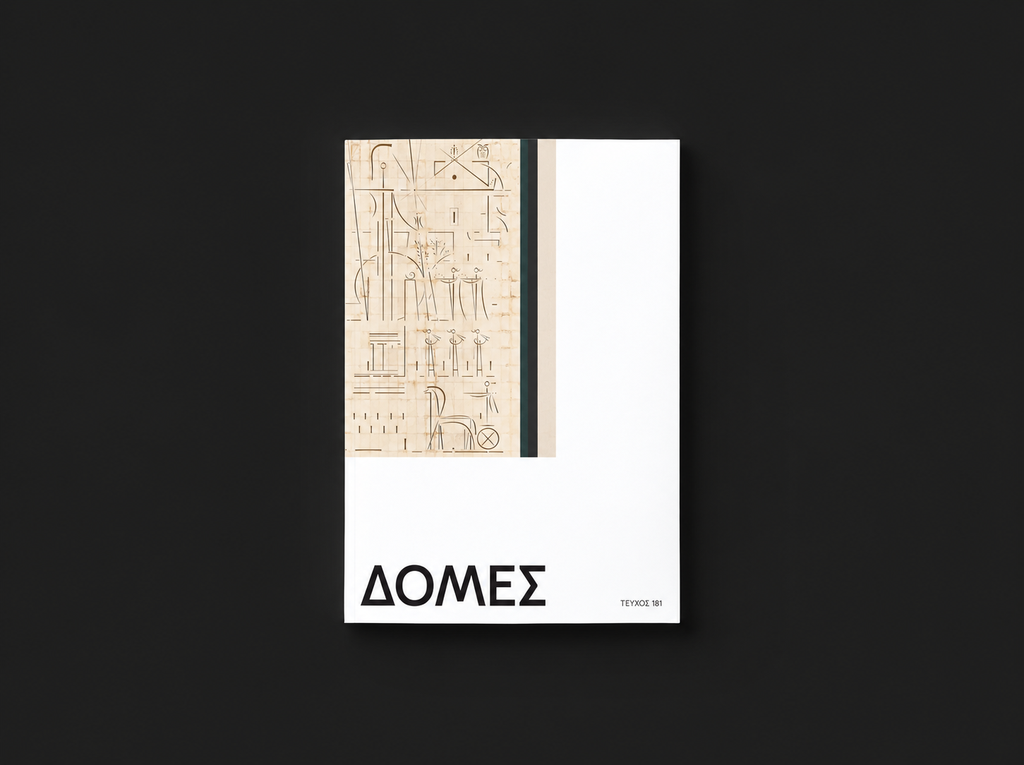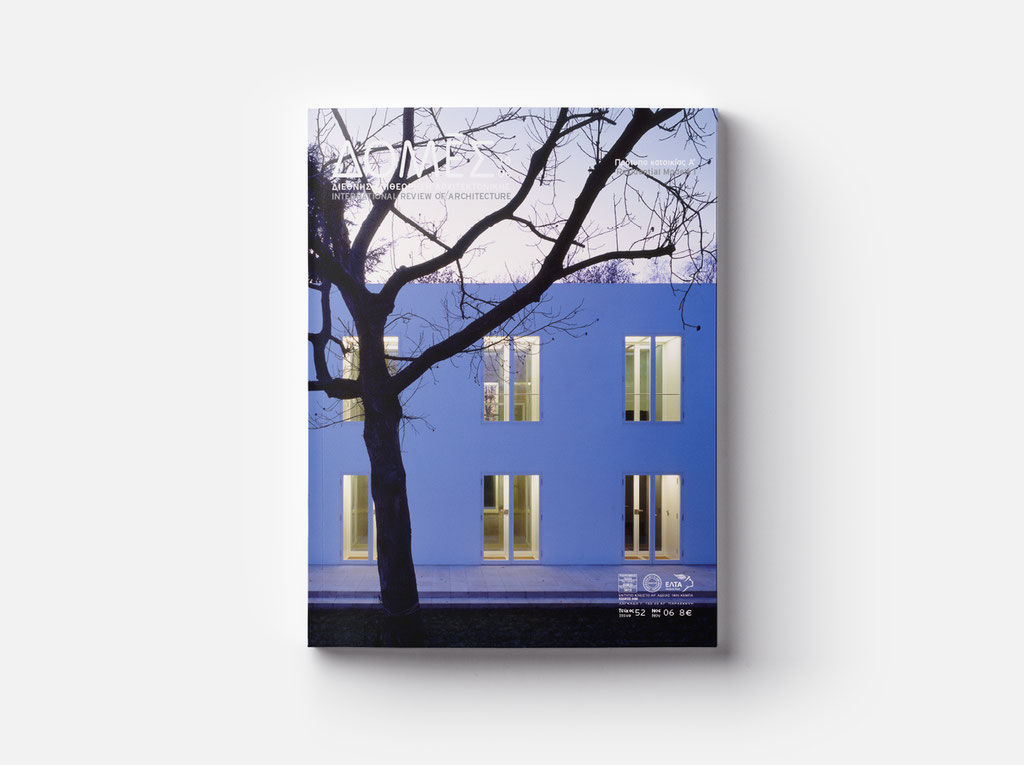

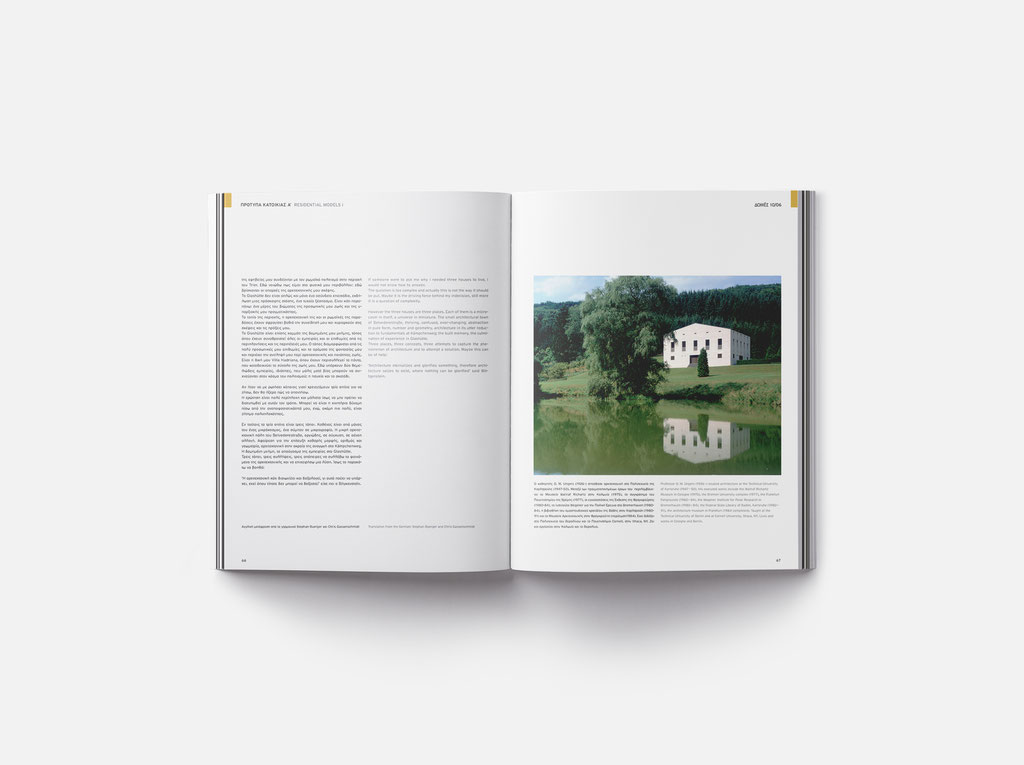

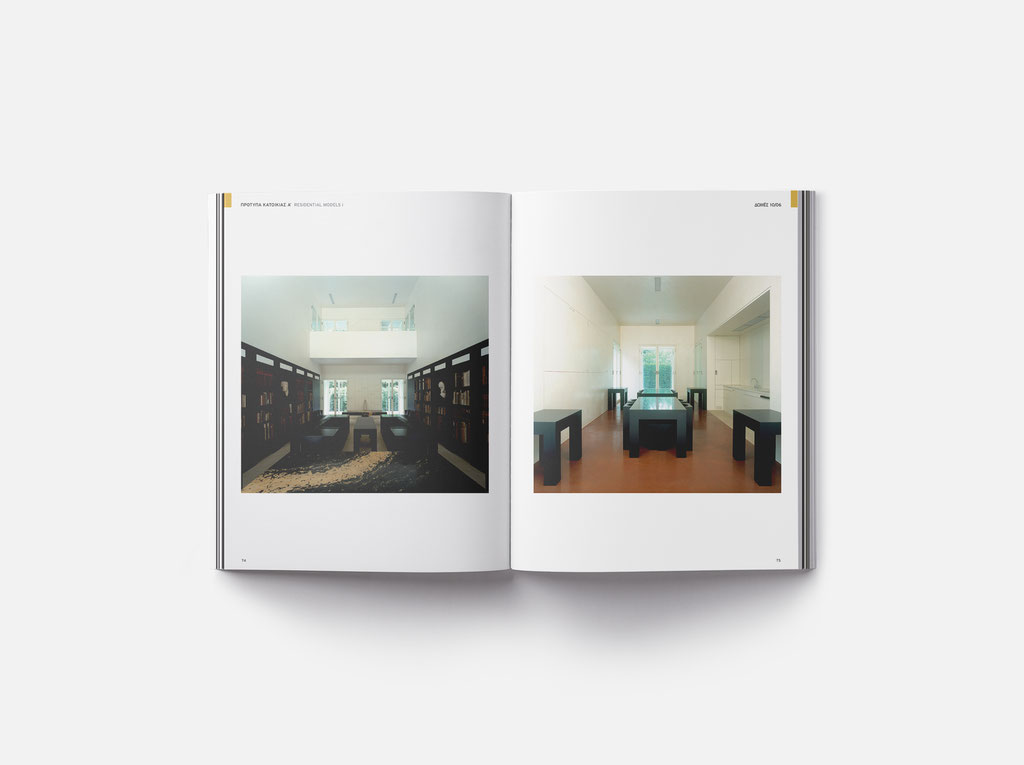





ISSUE 52 – RESIDENTIAL MODELS I
Overview
The endurance of the villa as the ideal house is deeply rooted in the notions of privacy, property, and selfhood that were introduced in late 17th century England by John Locke, philosopher and medical researcher. His Enlightenment anti-authoritarian philosophy envisioned individuals capable of self-fulfillment, and this also included the realm of housing, actually of self-housing. This anthropological type, a bourgeois –and not an aristocrat or cleric– provided the ‘client’ for the large single-family house. The 18th century English bourgeois villa, in the suburbs or the countryside, became the beginning of a long architectural tradition in the modern world.
Please find the complete text in the print edition.
Contents
-
EDITORIAL
-
APHORISMS ON BUILDING HOUSESProfessor Oswald Mathias Ungers
-
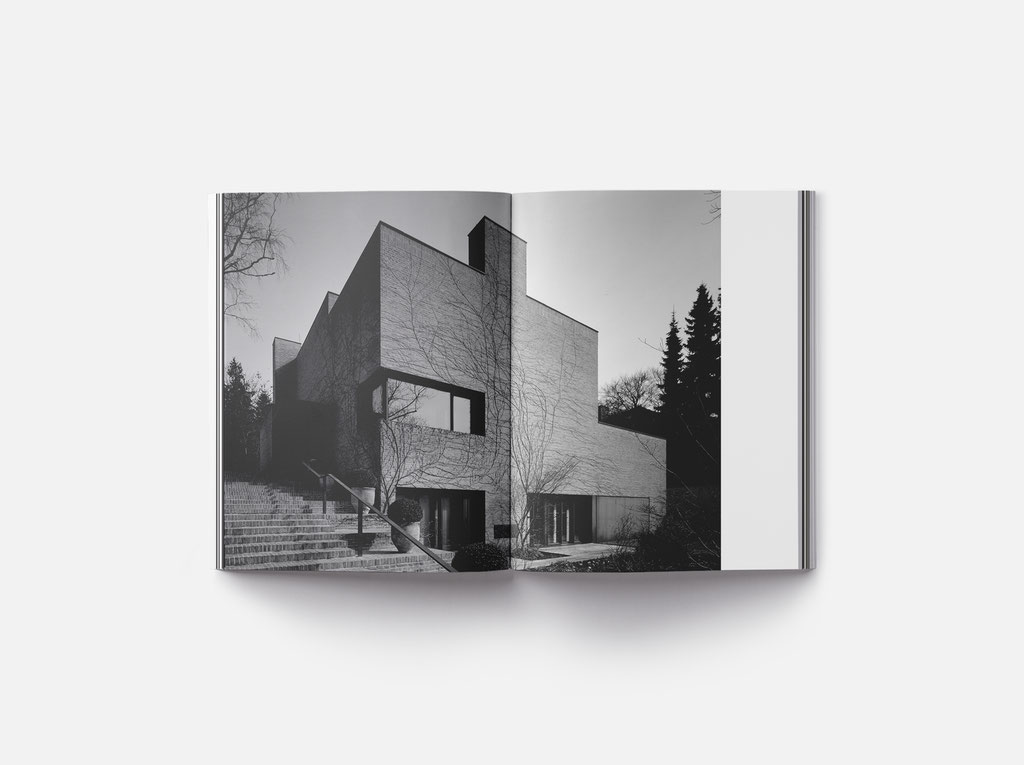
HOUSE UNGERS III, COLOGNE – DEO.M. Ungers
-
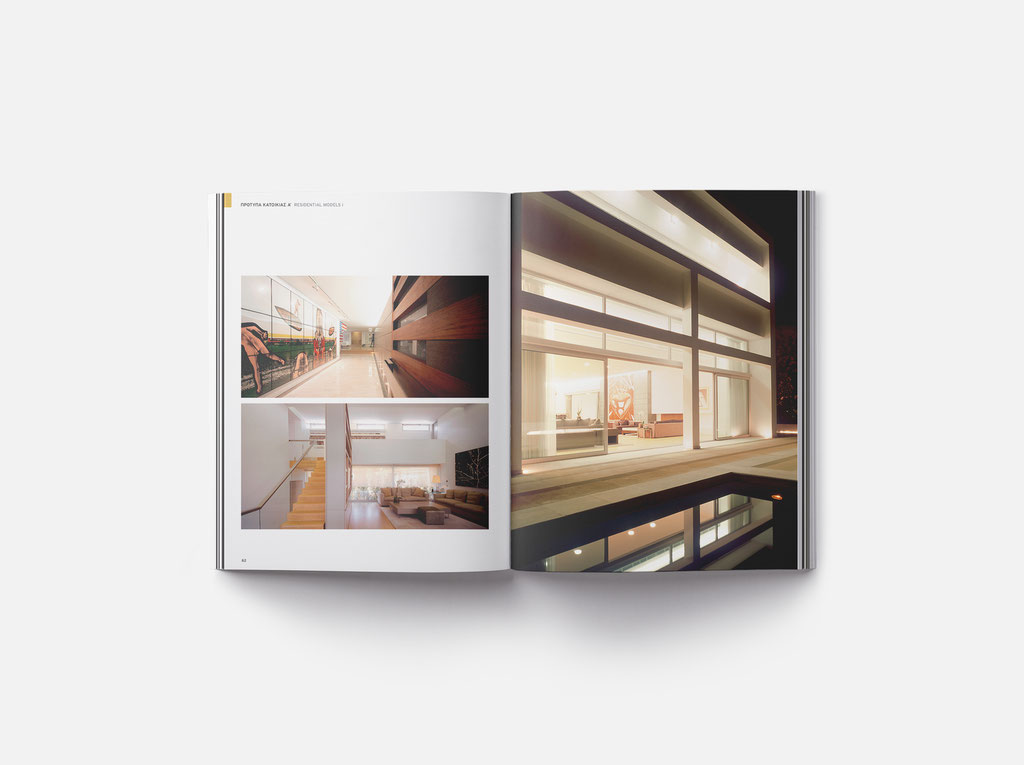
HOUSE IN PALAIO PSYCHICO, ATHENS - GRMimnermou 2 Architects
-
PRIVATE HOUSE IN BERLIN, BERLIN – DEDavid Chipperfield Architects
-
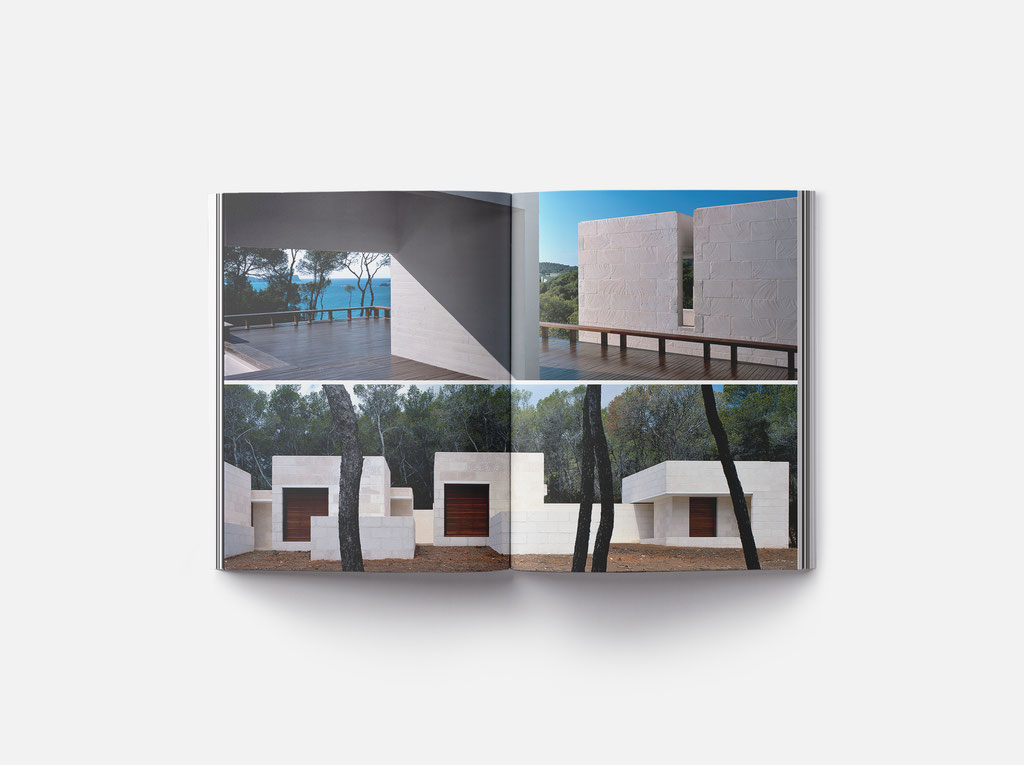
TAGOMAGO HOUSE, SANTA EULALIA DEL RIO – ESCarlos Ferrater
-
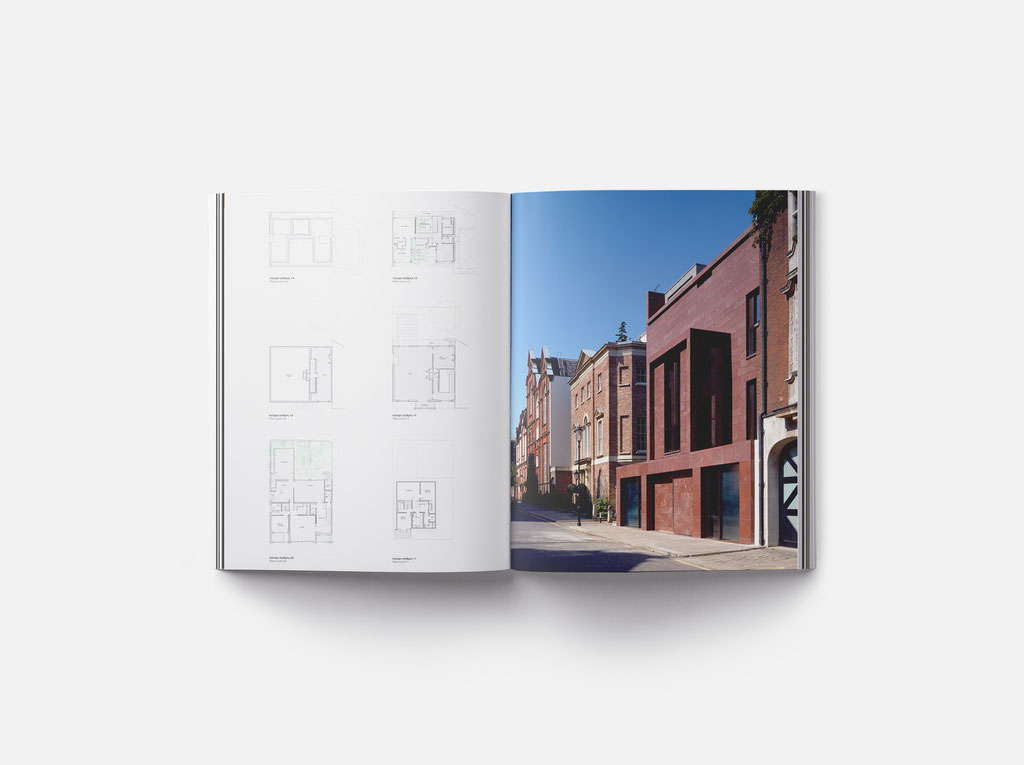
THE RED HOUSE, CHELSEA, LONDON – UKTony Fretton Architects
-
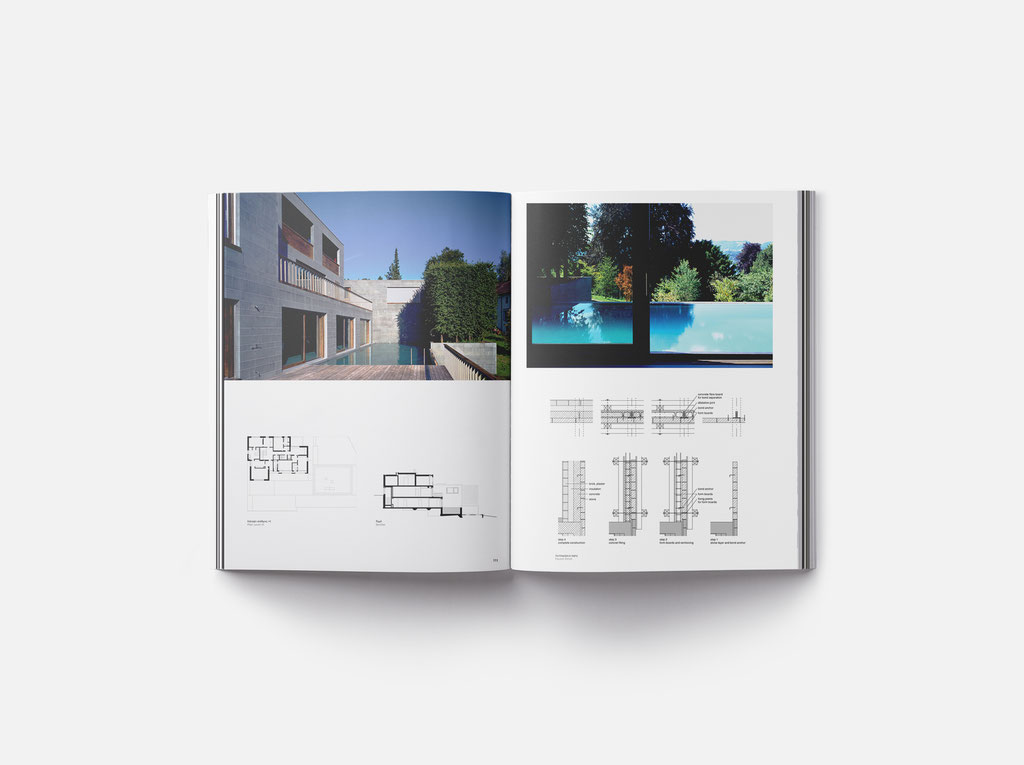
VILLA ON LAKE ZURICH, ZURICH – CHMarcel Meili, Markus Peter Architekten
-
LOOKING FOR THE LOST SPACE: REDISCOVERING THE TRADITION OF THE VILLAGerhard Mack
EDITORIAL
APHORISMS ON BUILDING HOUSES
Professor Oswald Mathias Ungers
HOUSE UNGERS III, COLOGNE – DE
O.M. Ungers


1973
RESIDENCE IN PSYCHIKO
Mimnermou 2 Architects
PRIVATE HOUSE IN BERLIN, BERLIN – DE
David Chipperfield Architects
TAGOMAGO HOUSE, SANTA EULALIA DEL RIO – ES
Carlos Ferrater
THE RED HOUSE, CHELSEA, LONDON – UK
Tony Fretton Architects
VILLA ON LAKE ZURICH, ZURICH – CH
Marcel Meili, Markus Peter Architekten
LOOKING FOR THE LOST SPACE: REDISCOVERING THE TRADITION OF THE VILLA
Gerhard Mack