






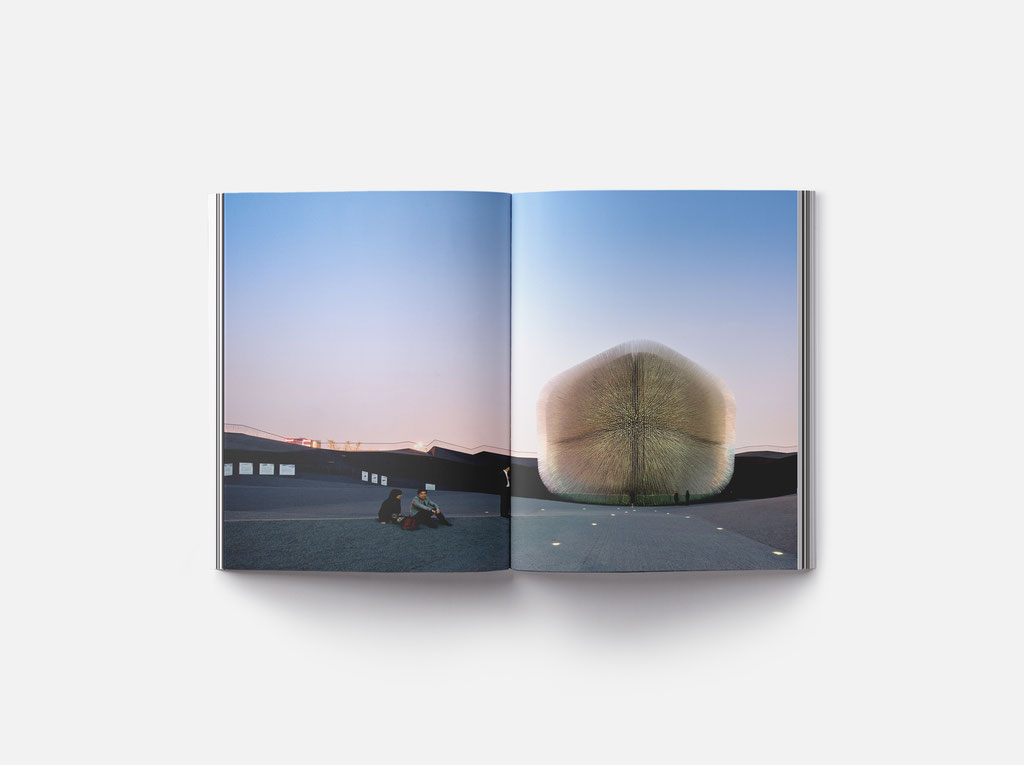
ISSUE 91 – SHANGHAI 2010
Overview
All important attributes of contemporary Expos are to be traced in the ‘Great Exhibition of the Works of Industry of all Nations’ of 1851 in London.
‘This universal exhibition, the competition of all nations, and especially the vast Crystal Palace where everything is exhibited, these are wonders which I will not attempt to describe to you’ wrote Hector Berlioz to his son on 1st June, 1851. His ‘Les Soirées de l’orchestre’ (Paris, 1852) is an unexpected early source on the impact of exhibition architecture. In its ‘Vingt et Unième Soirée’ he relates how, unable to get to sleep after a very moving concert, he decided to get up and walk to the exhibition hall very early in the morning (2nd edition, Paris, 1854, pp. 266-68). The hall, designed by Joseph Paxton with support from structural engineer Charles Fox, which became known in history under its nickname, Crystal Palace, given by the satirical magazine ‘Punch’, was still closed to visitors, but ‘the guards who watch over the gates of this Louvre were used to seeing [him]at all sorts of strange hours, and so let [him] walk in. The deserted inside of the Exhibition palace at seven in the morning was a spectacle of original grandeur: the vast solitude, the silence, the gentle light coming from the transparent roof, the dried up fountains, the silent organs, the motionless trees, this harmonious display of opulent goods brought from the four corners of the world by rival peoples. These ingenious creations, the products of peace; the engines of destruction that brought war to mind; all the causes of movement and noise – while human beings were absent, everything seemed to be holding a mysterious conversation together in the strange language that can be heard with the ear of the mind. […] At some point Berlioz suddenly heard a sound, […] a noise rather like that of rainfall spread under the vast galleries; it was the waterfalls and fountains which the wardens had just turned on. The crystal castles, the artificial rocks, all quivered under the flow of their liquid pearls[…]’.
Please find the complete text in the print edition.
Contents
-
EDITORIAL
-
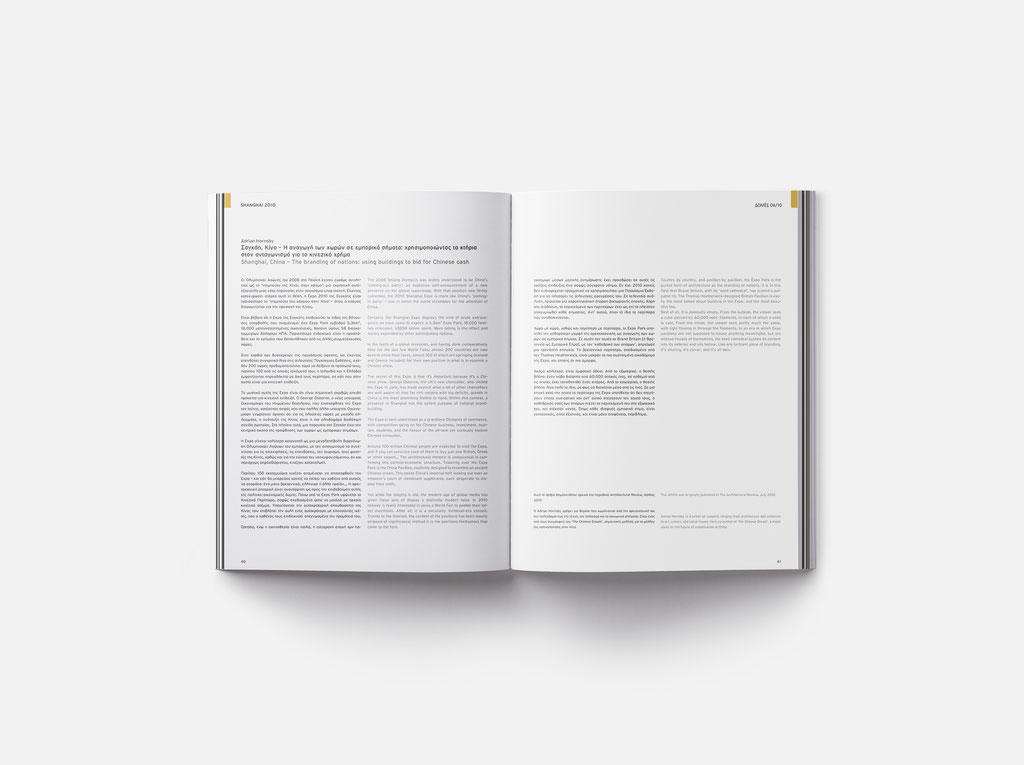
SHANGHAI, CHINA – THE BRANDING OF NATIONS: USING BUILDINGS TO BID FOR CHINESE CASHAdrian Hornsby
-
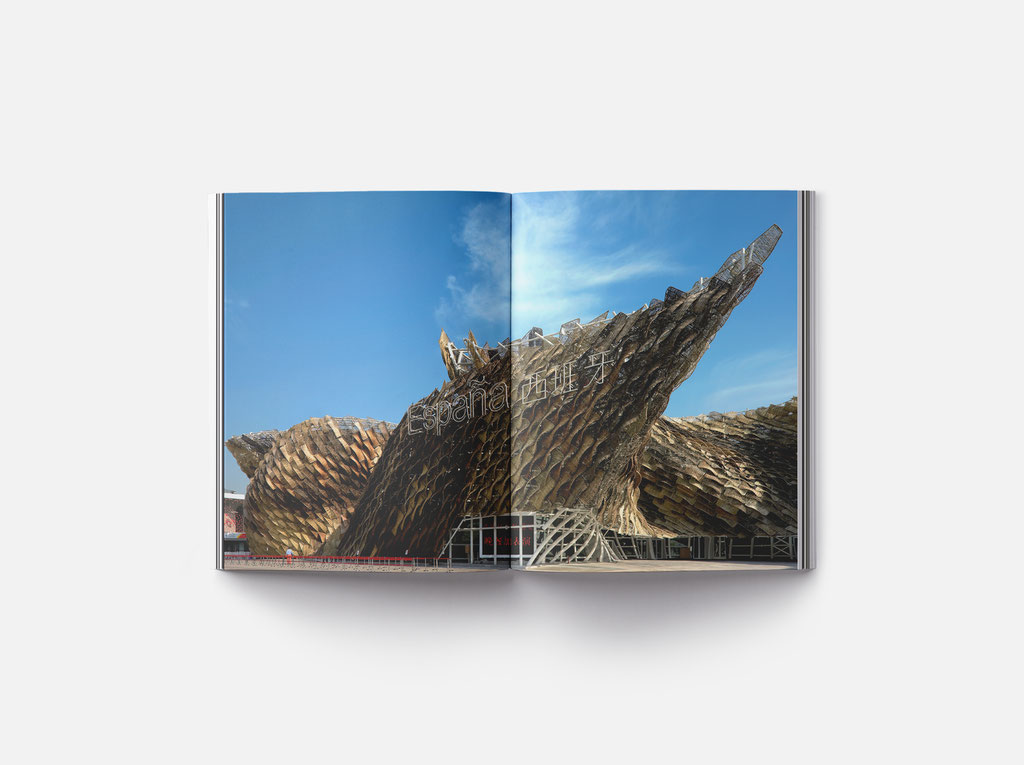
THE SPANISH PAVILIONBenedetta Tagliabue
-
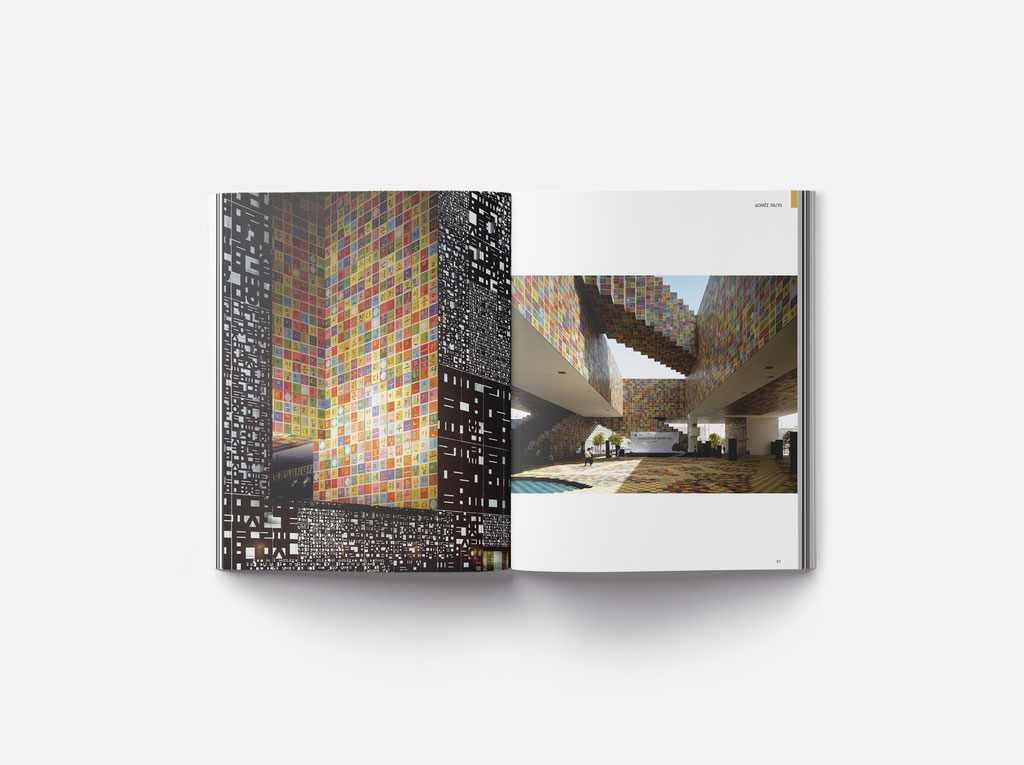
THE KOREAN PAVILIONMass Studies
-
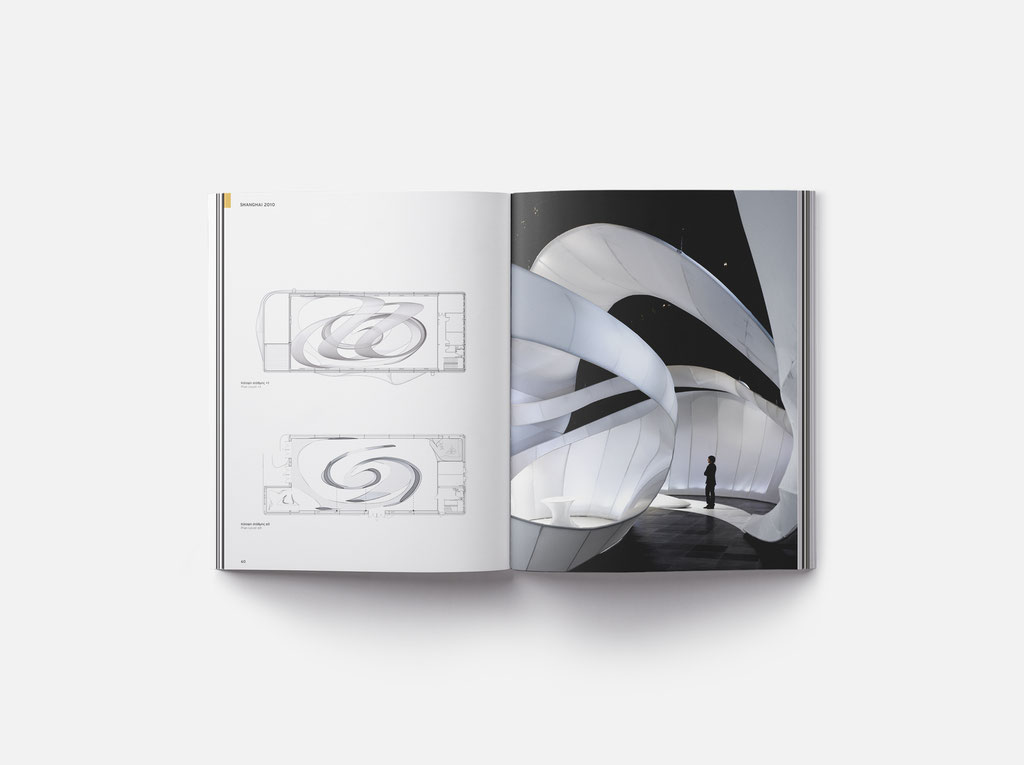
THE EGYPTIAN PAVILIONZaha Hadid Architects
-
THE AUSTRIAN PAVILIONSPAN & Zeytinoglu
-
THE POLISH PAVILIONWWAA
-
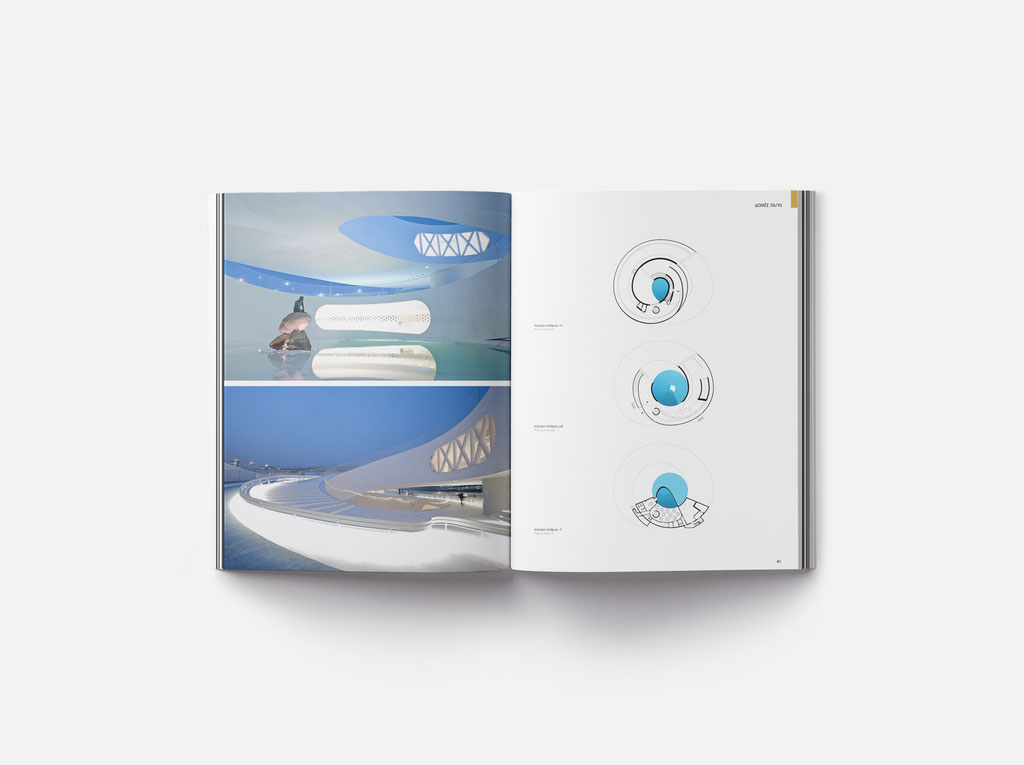
THE DANISH PAVILIONBIG
-
THE NORWEGIAN PAVILIONHelen & Hard
-
UAE PAVILIONFoster + Partners
-
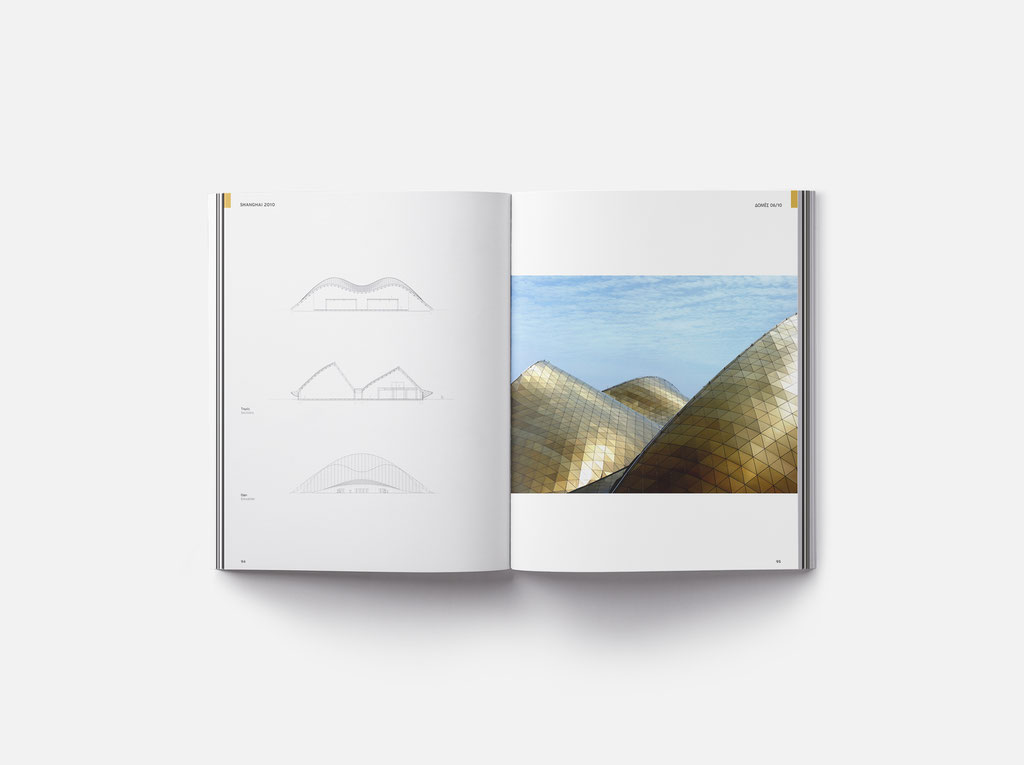
UK PAVILIONHeatherwick Studio
-
THESSALONIKI INTERNATIONAL FAIR (TIF). INVESTIGATING THE POSSIBILITIES OF RELOCATIONN. Kalogirou, S. Karagianni, A. Paka, S. Spatalas, A. Tellios, A. Tzaka
-
SKG IN_FLUX: AN EXPERIMENTAL URBAN DESIGN STUDENT WORKSHOP