DORIC TOWER _ COUNTRY HOUSE IN MOUNTAINOUS DORIDA

Images43
View:











































Photos
Designs
Illustrations
Description
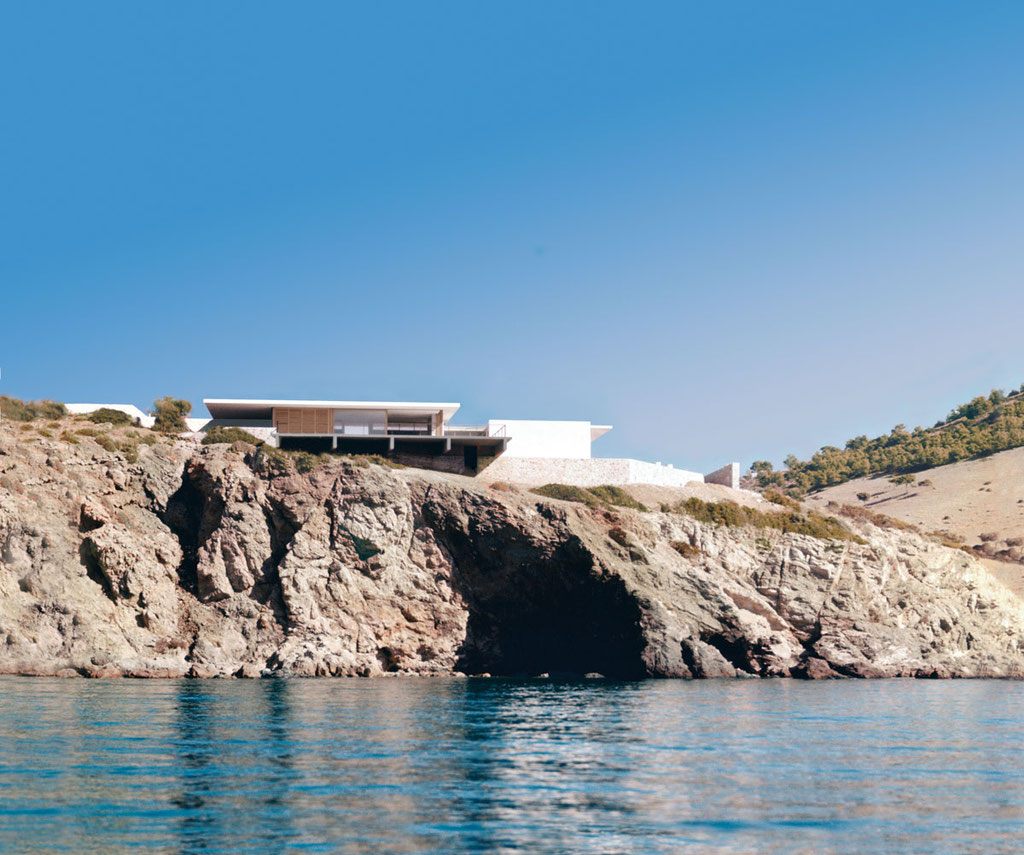
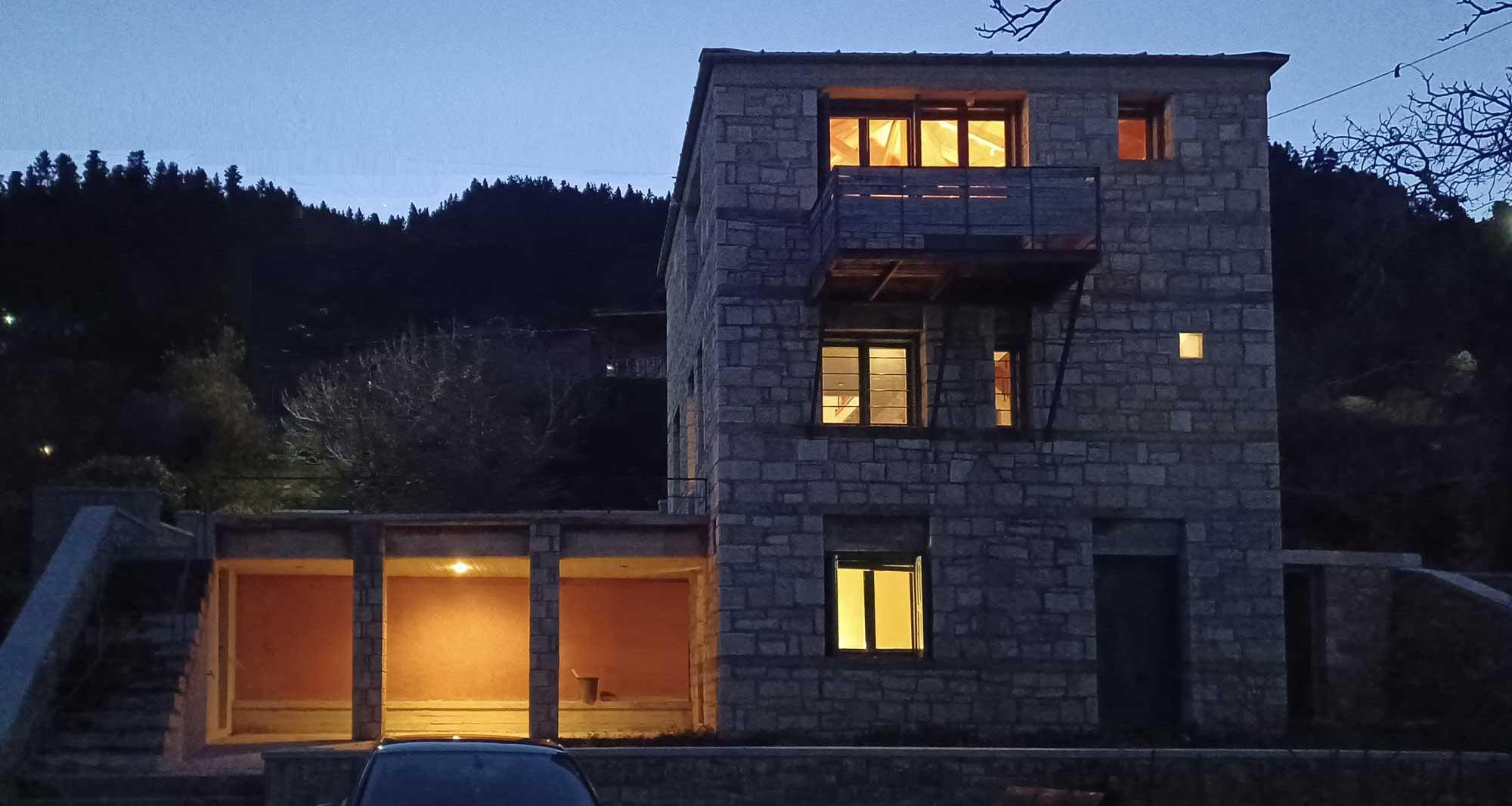
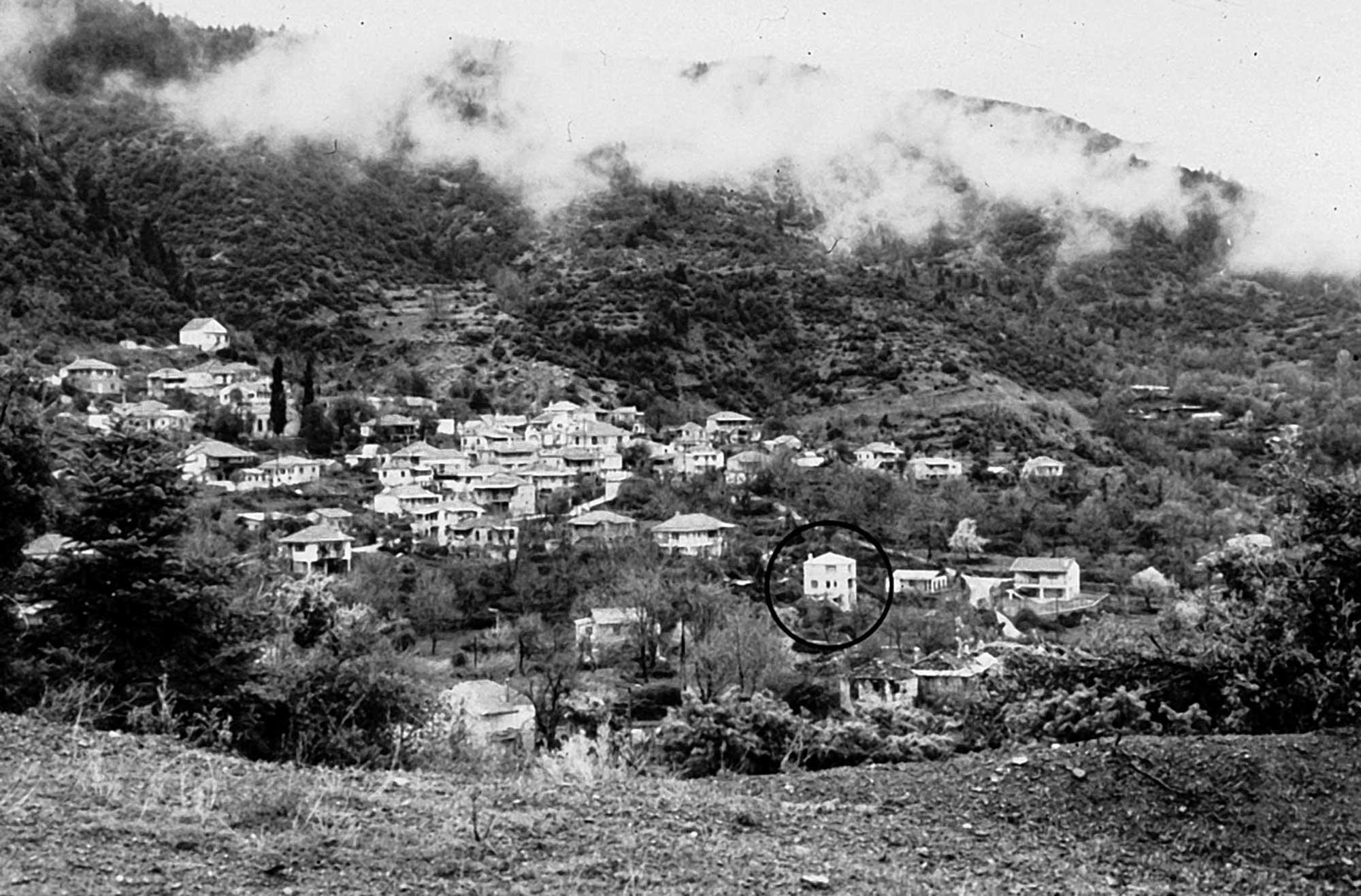
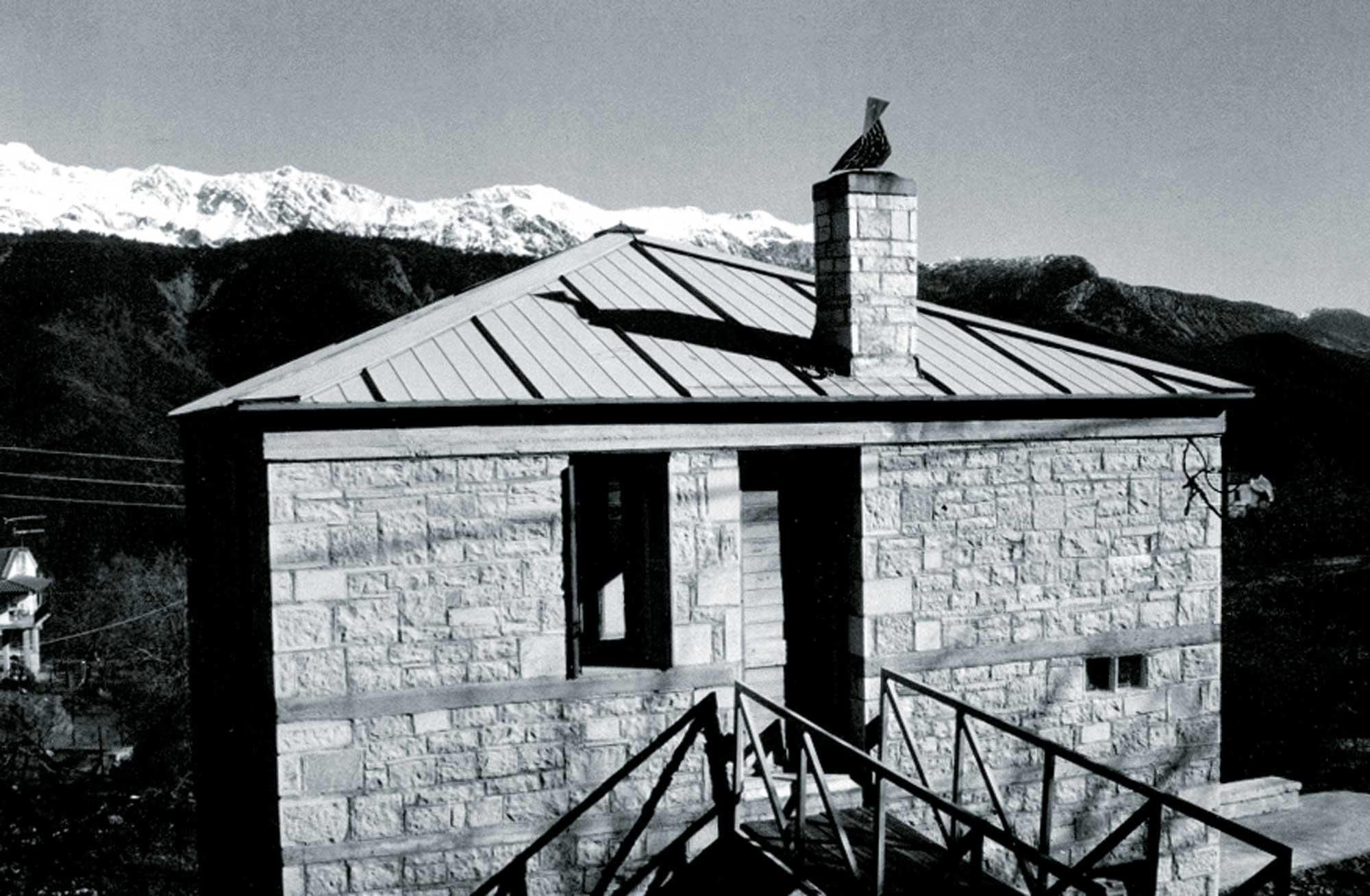
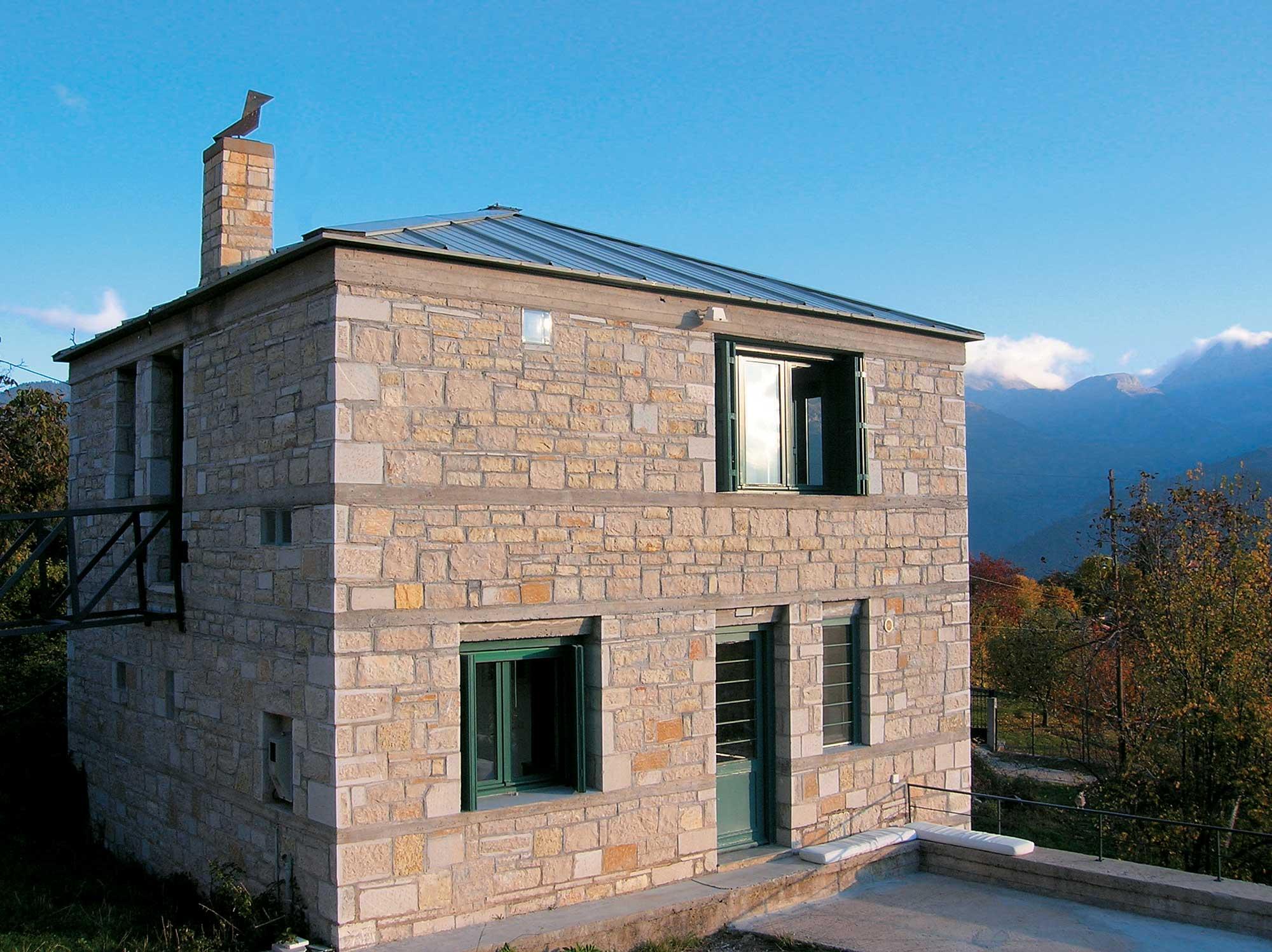
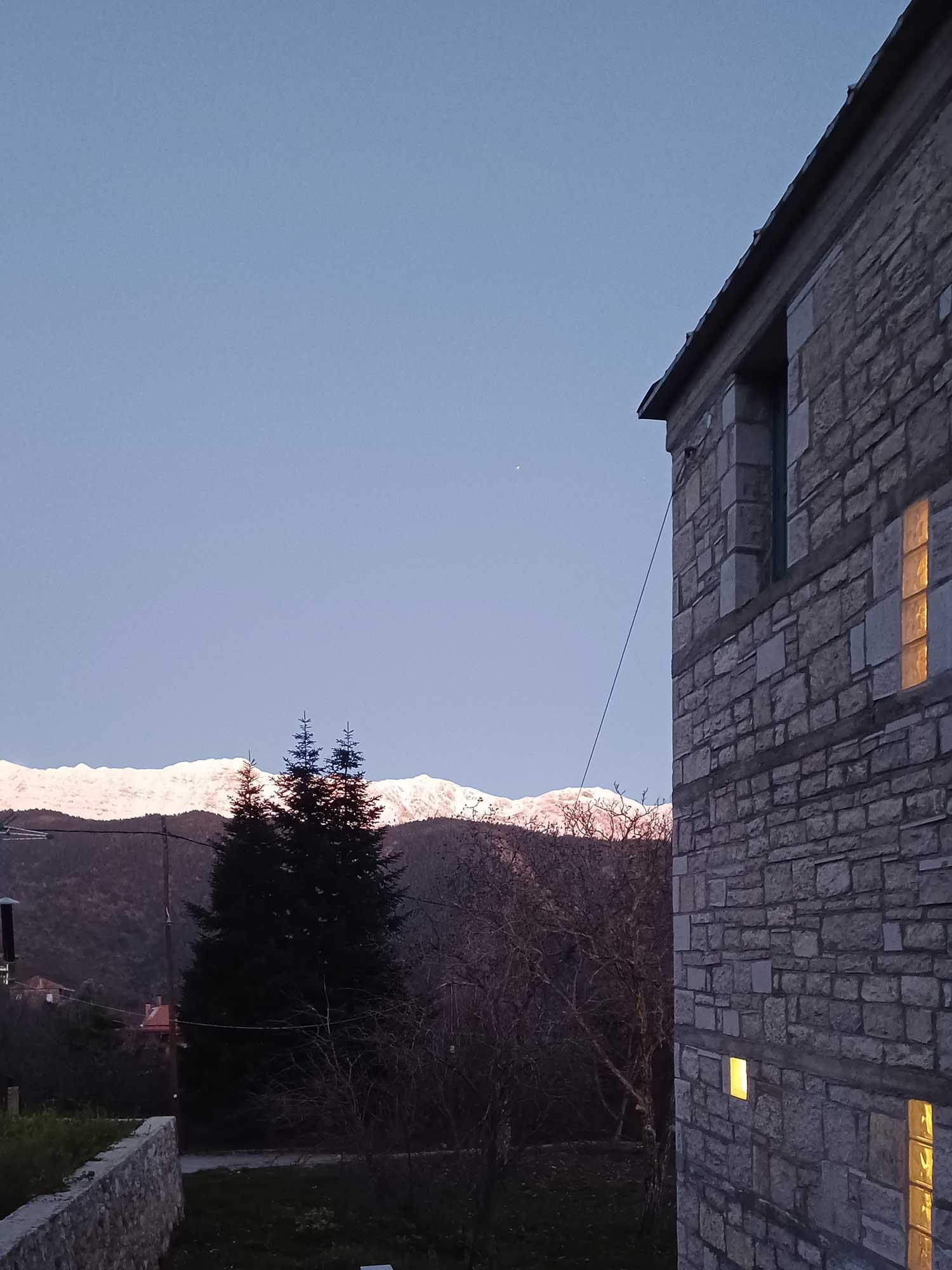
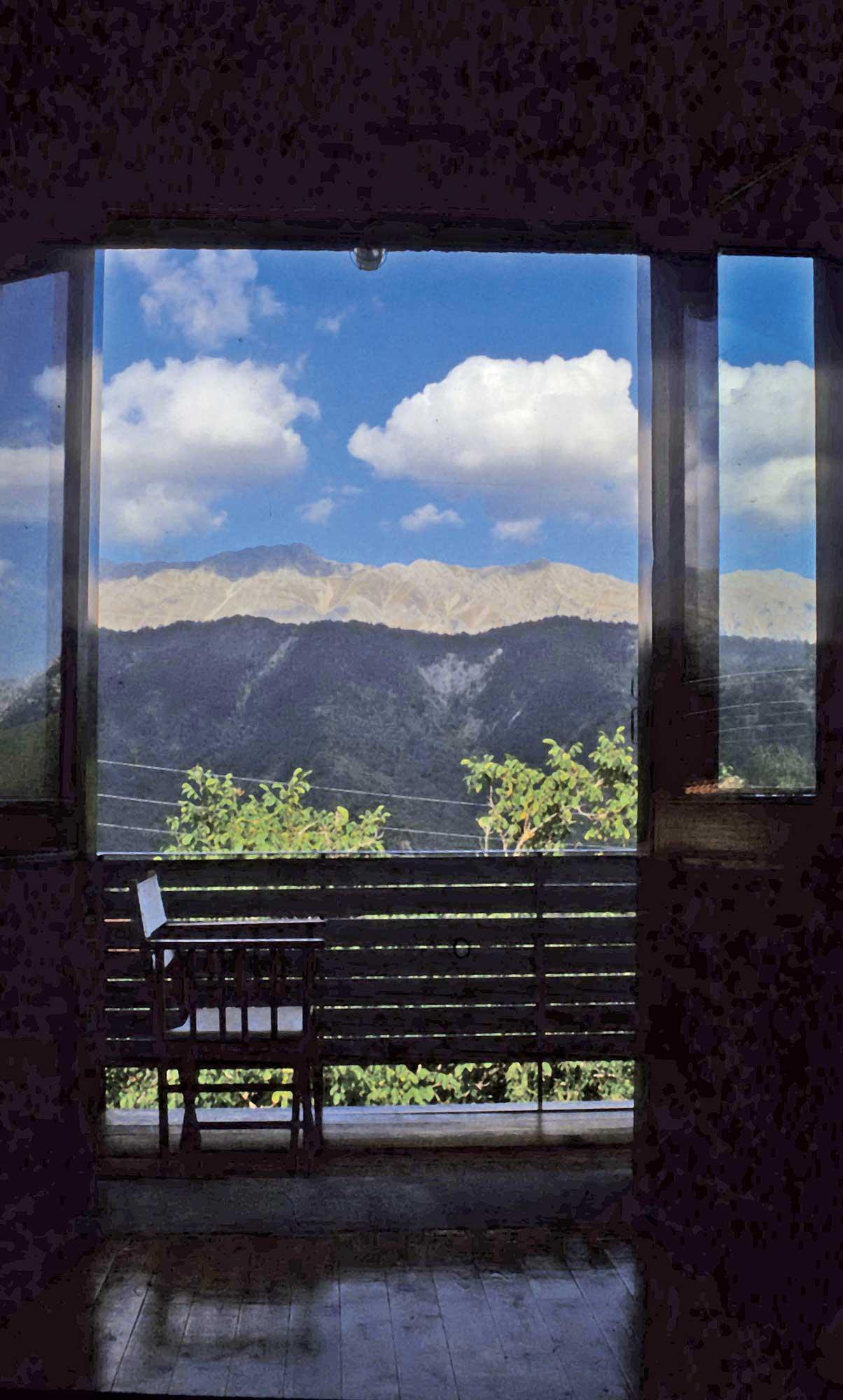
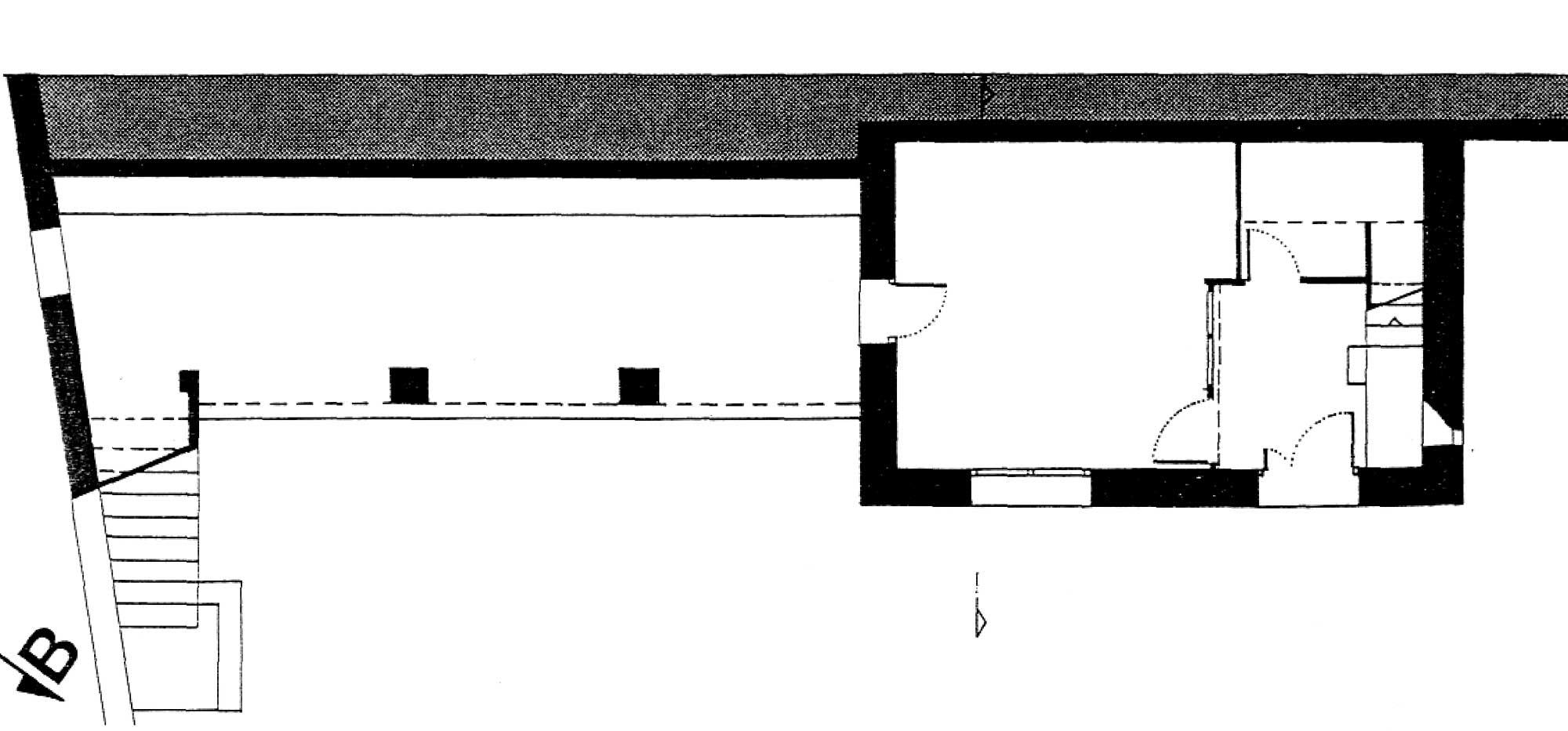
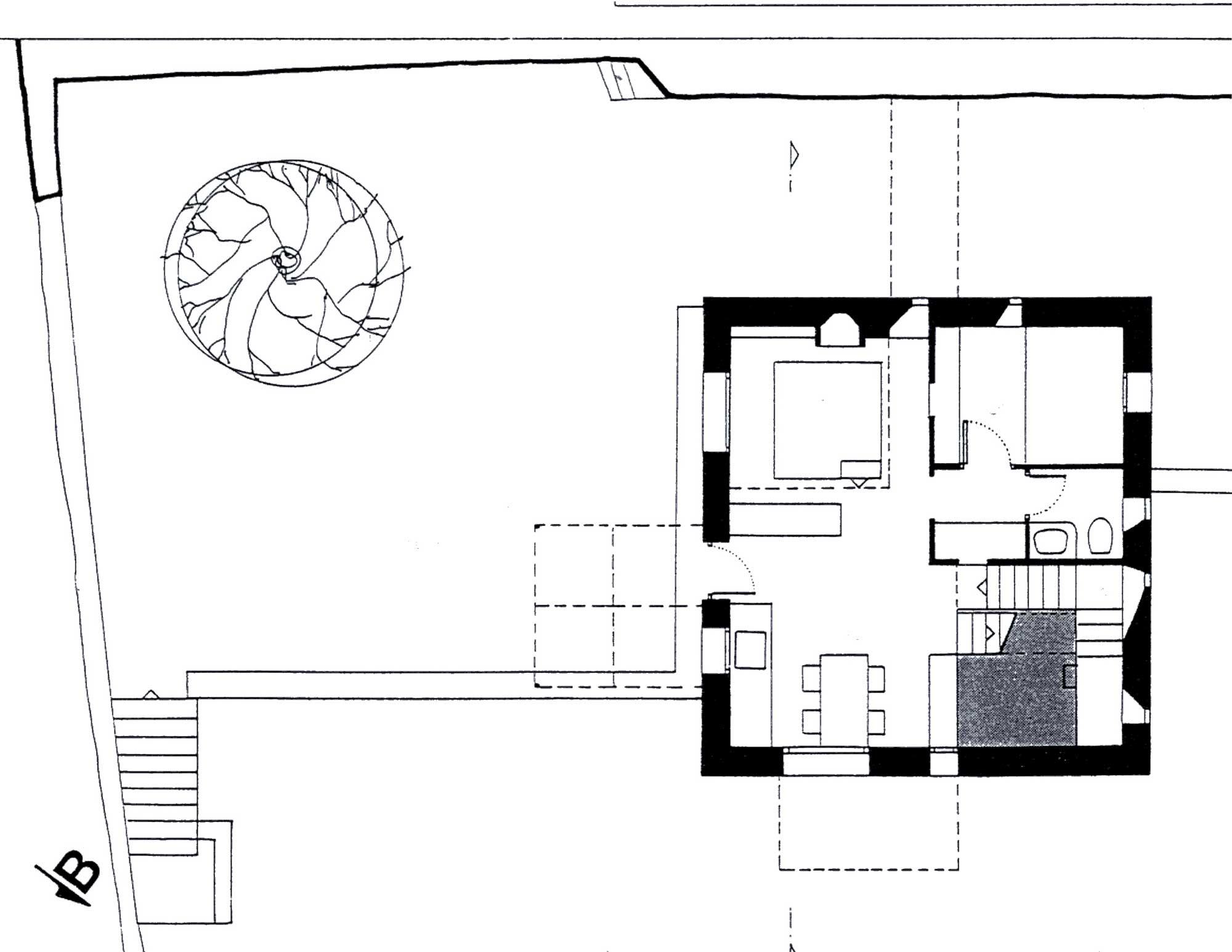
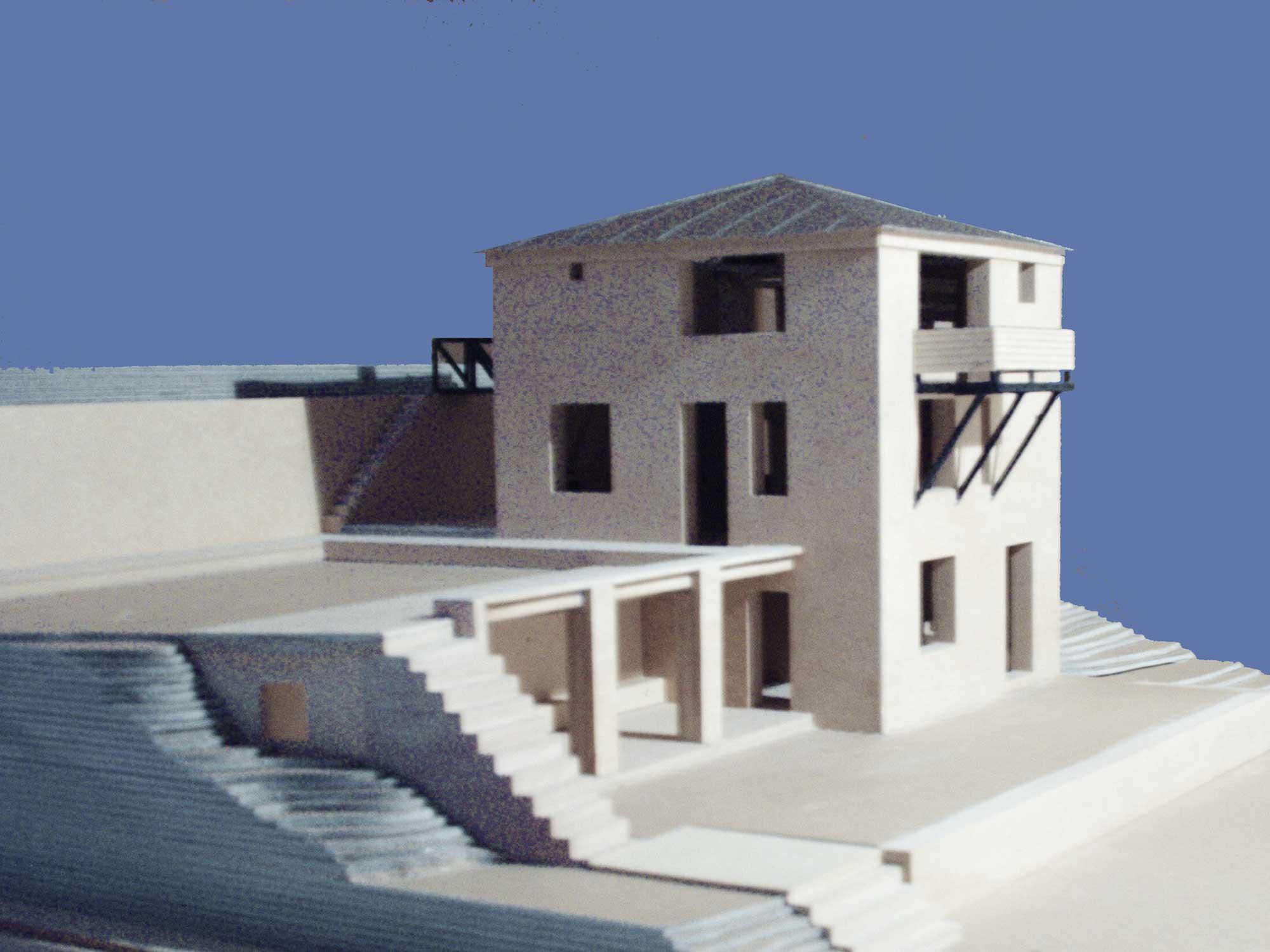
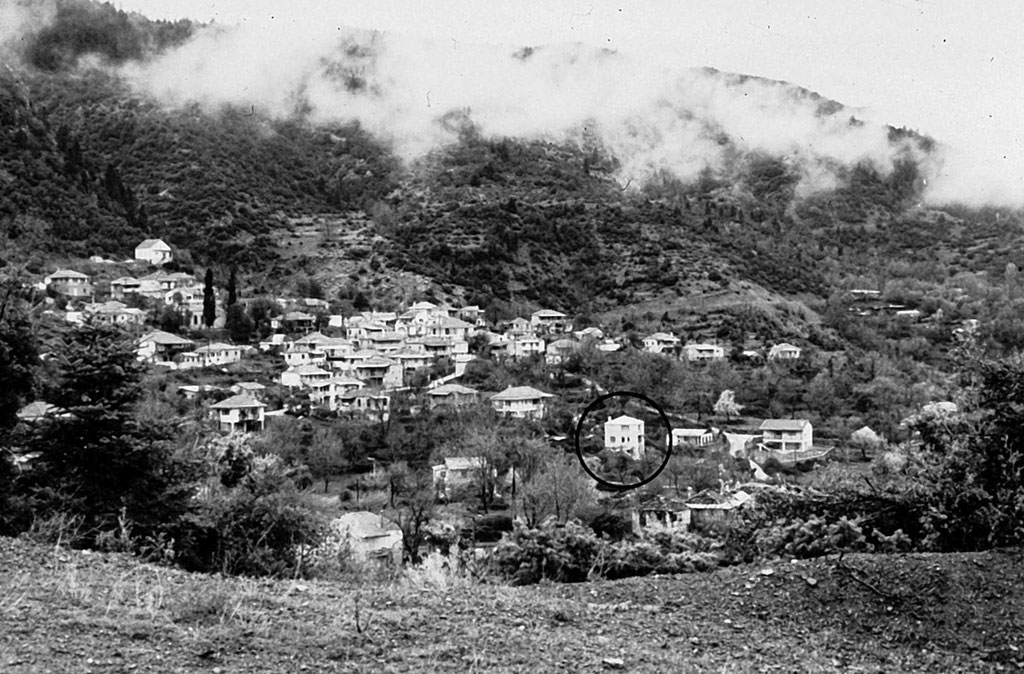
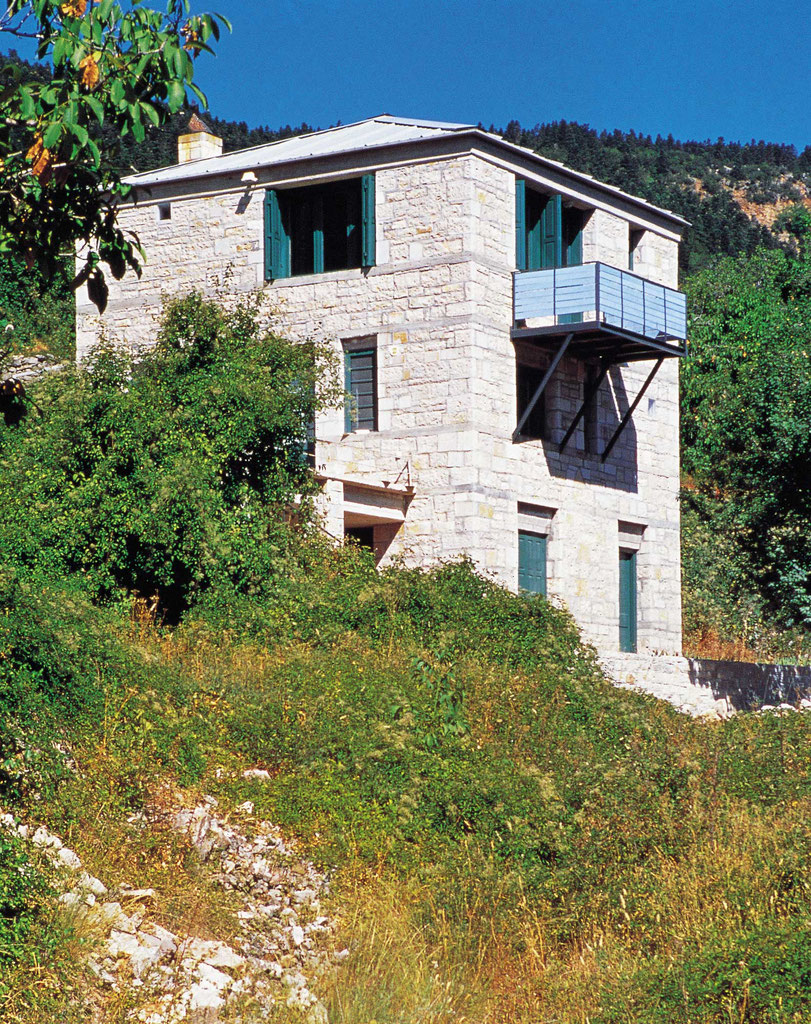
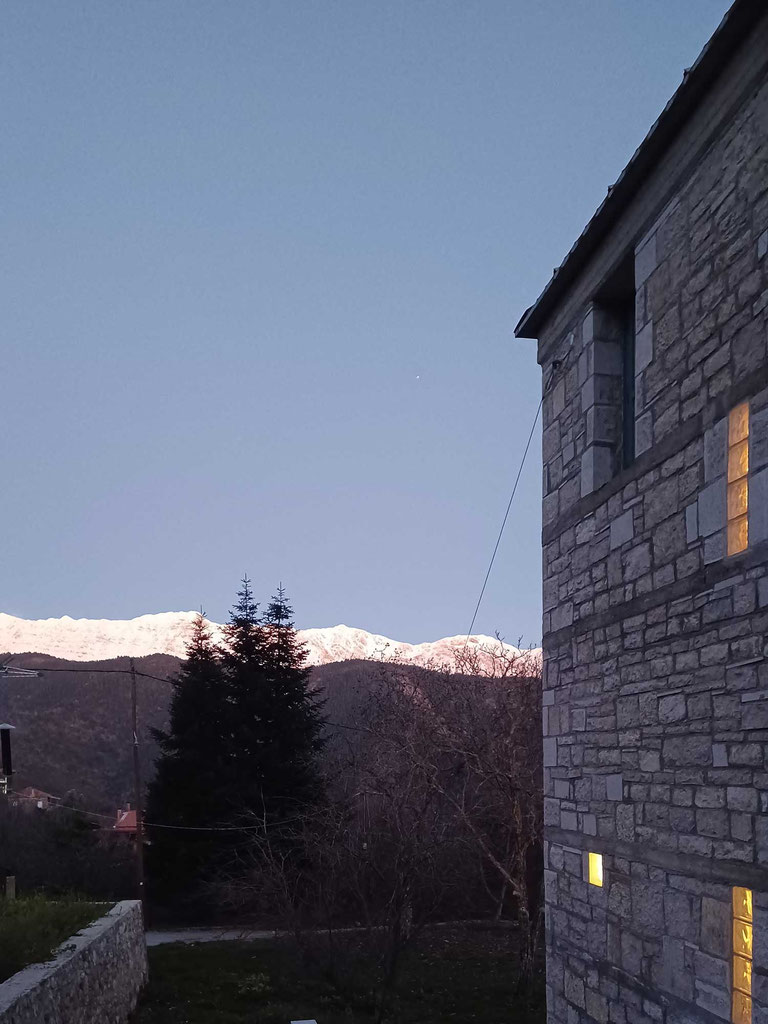
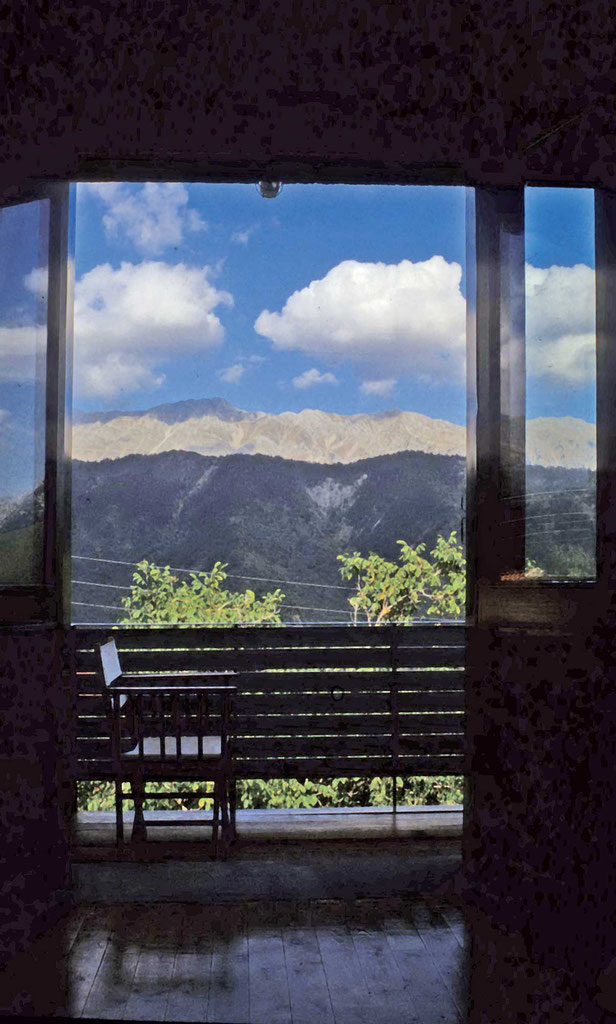
The residence was built in mountainous Dorida, at an altitude of 850 meters. The plot lies within the boundaries of the village, is sloped, enjoys cross ventilation, and opens southeastward to views of the Vardousia mountain range.
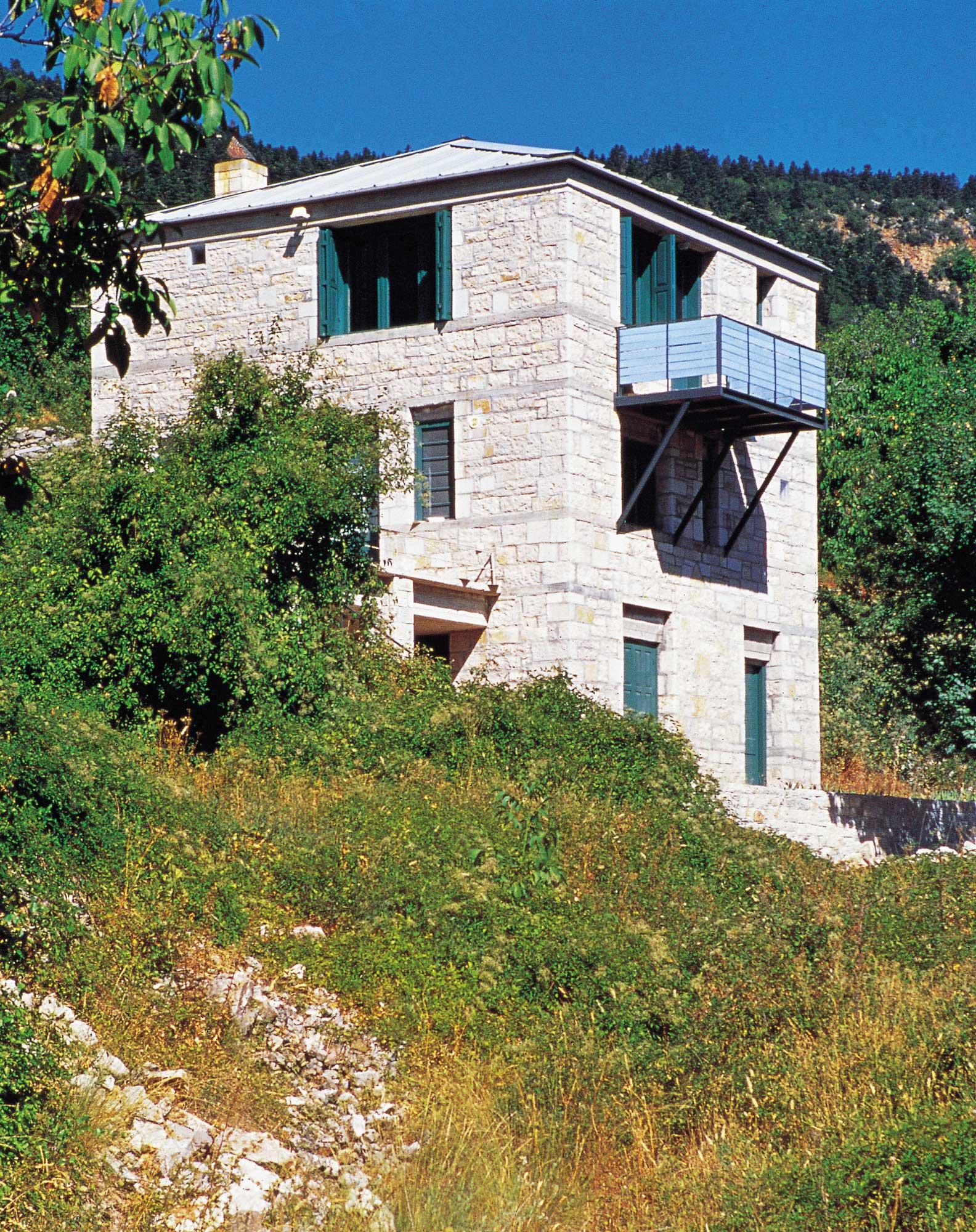
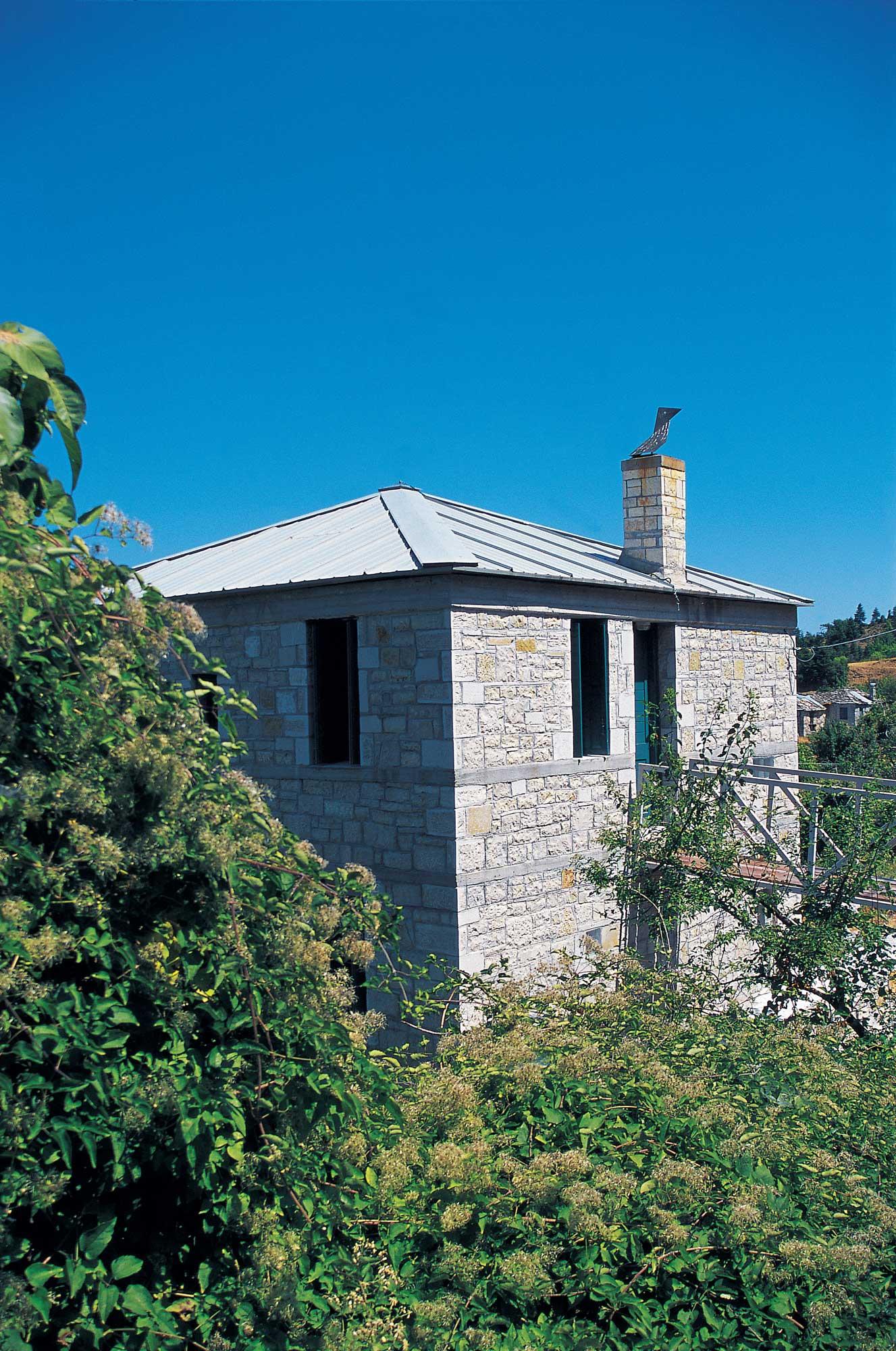
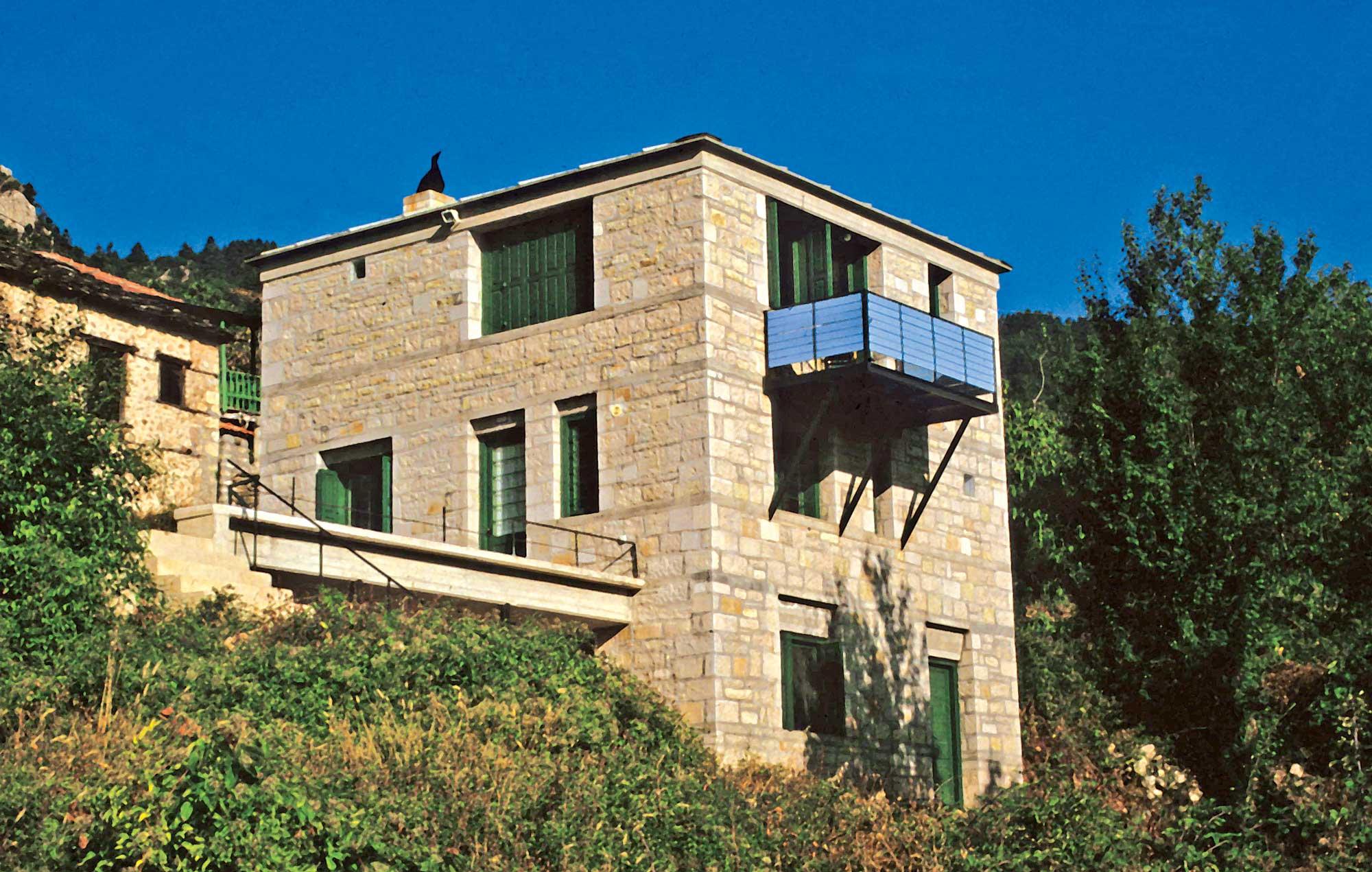
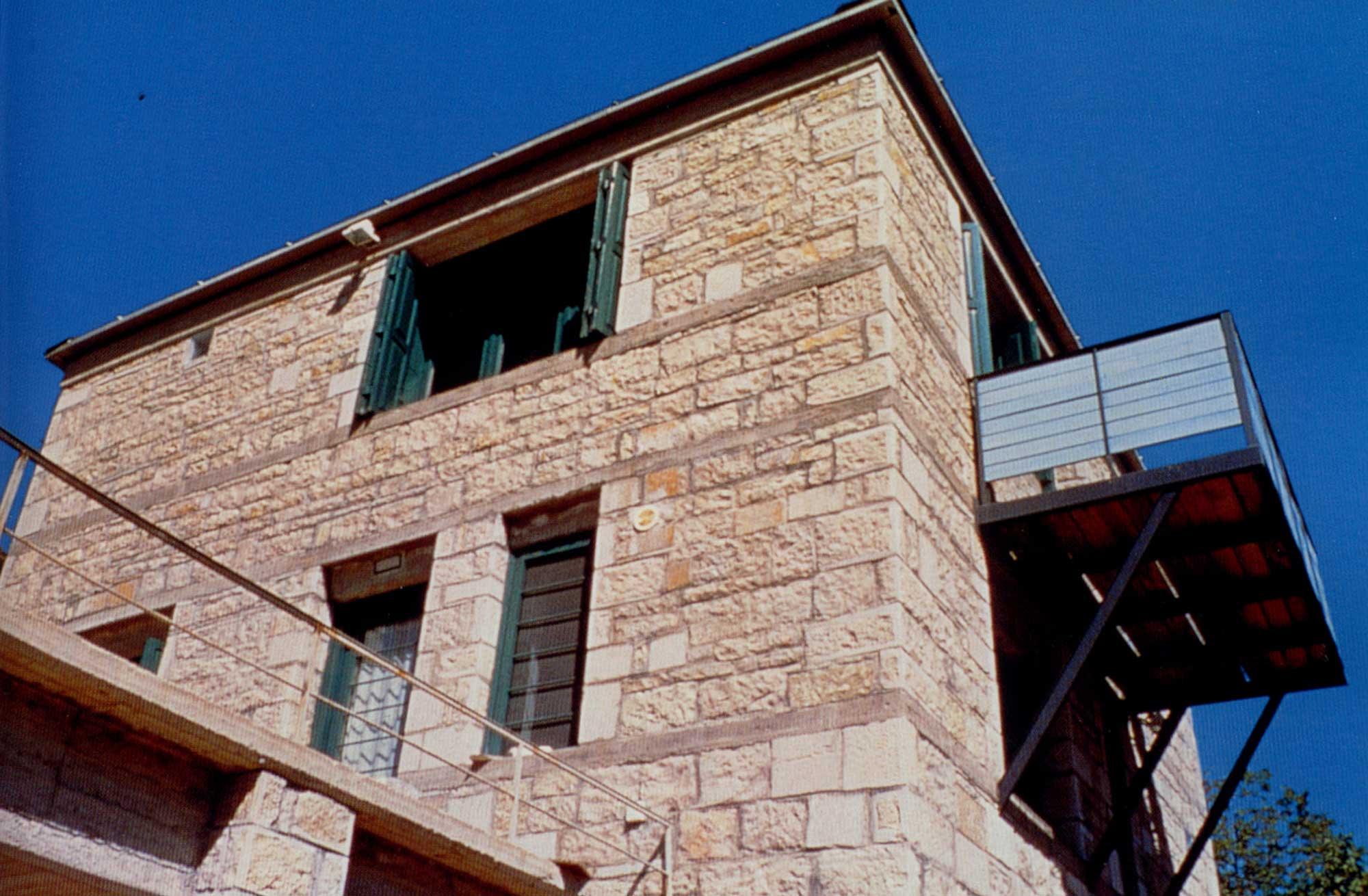
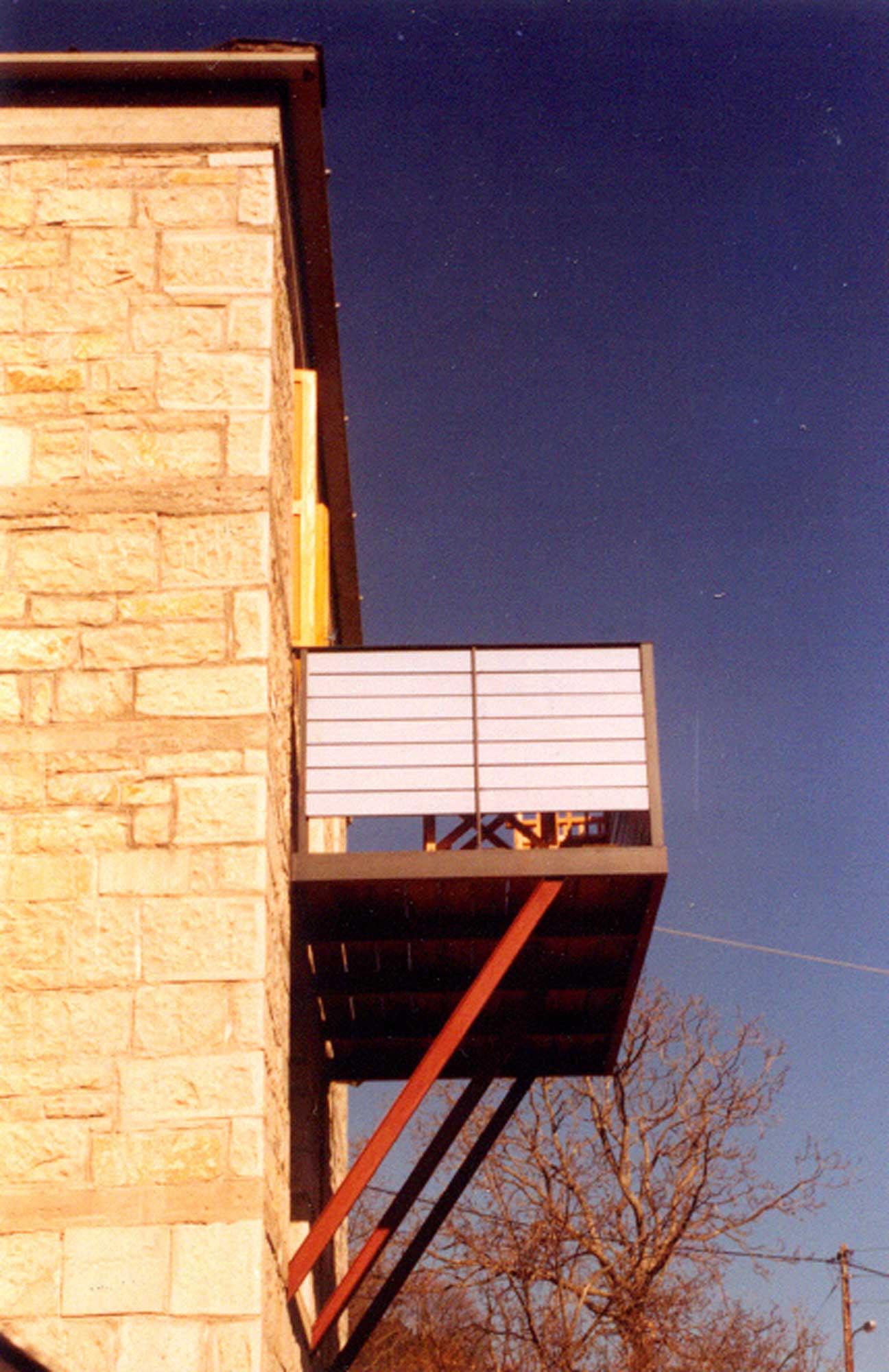
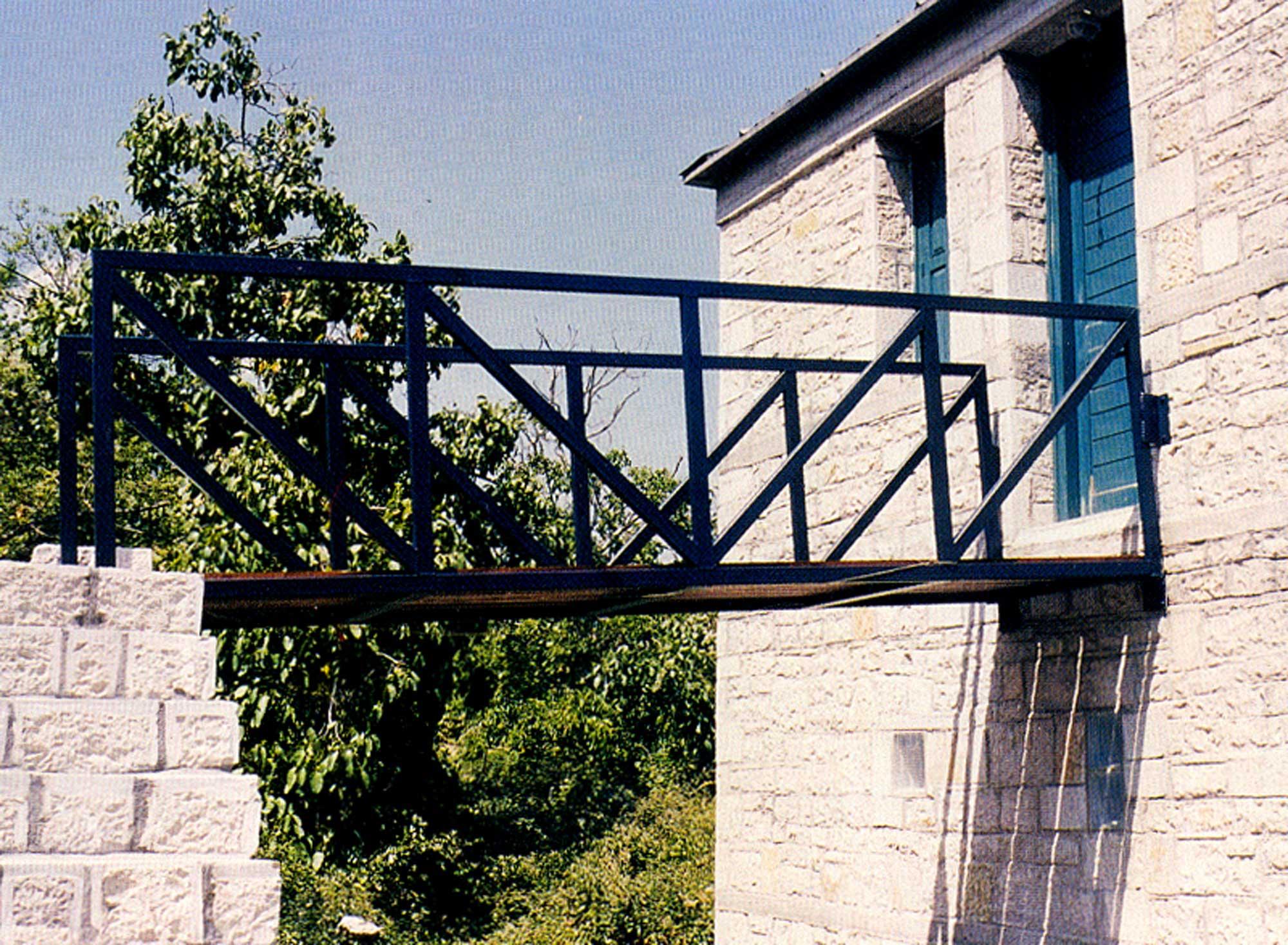
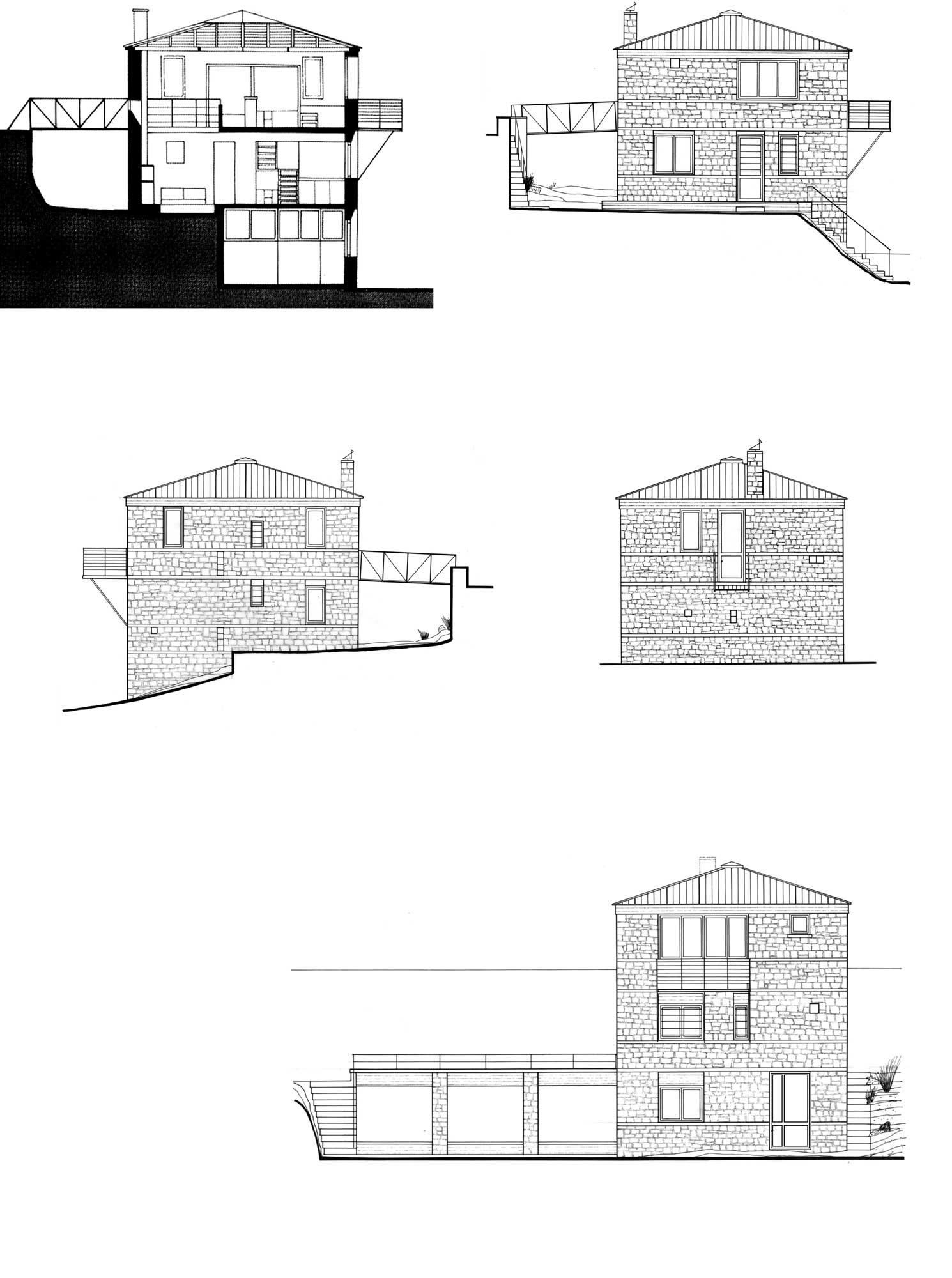
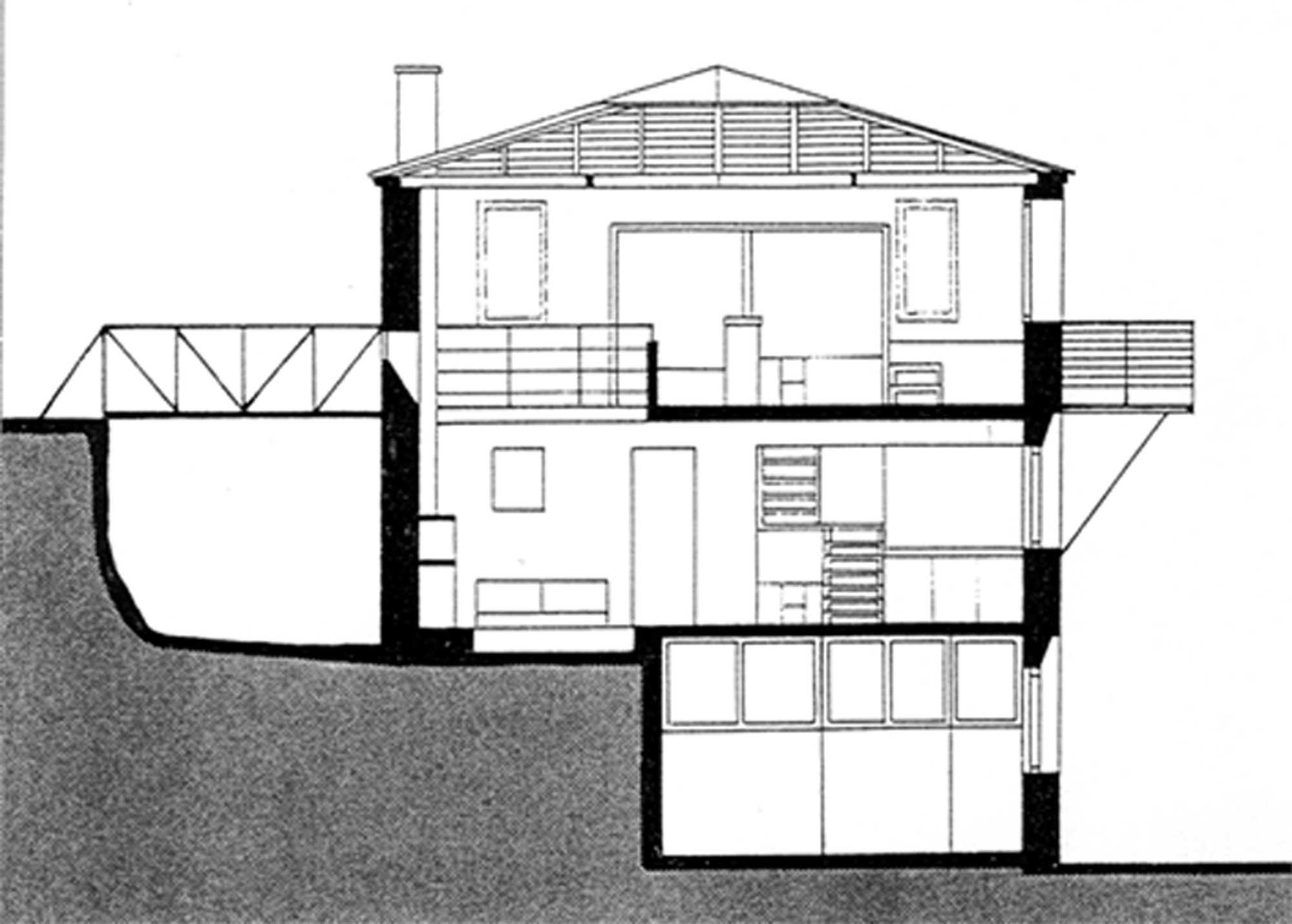
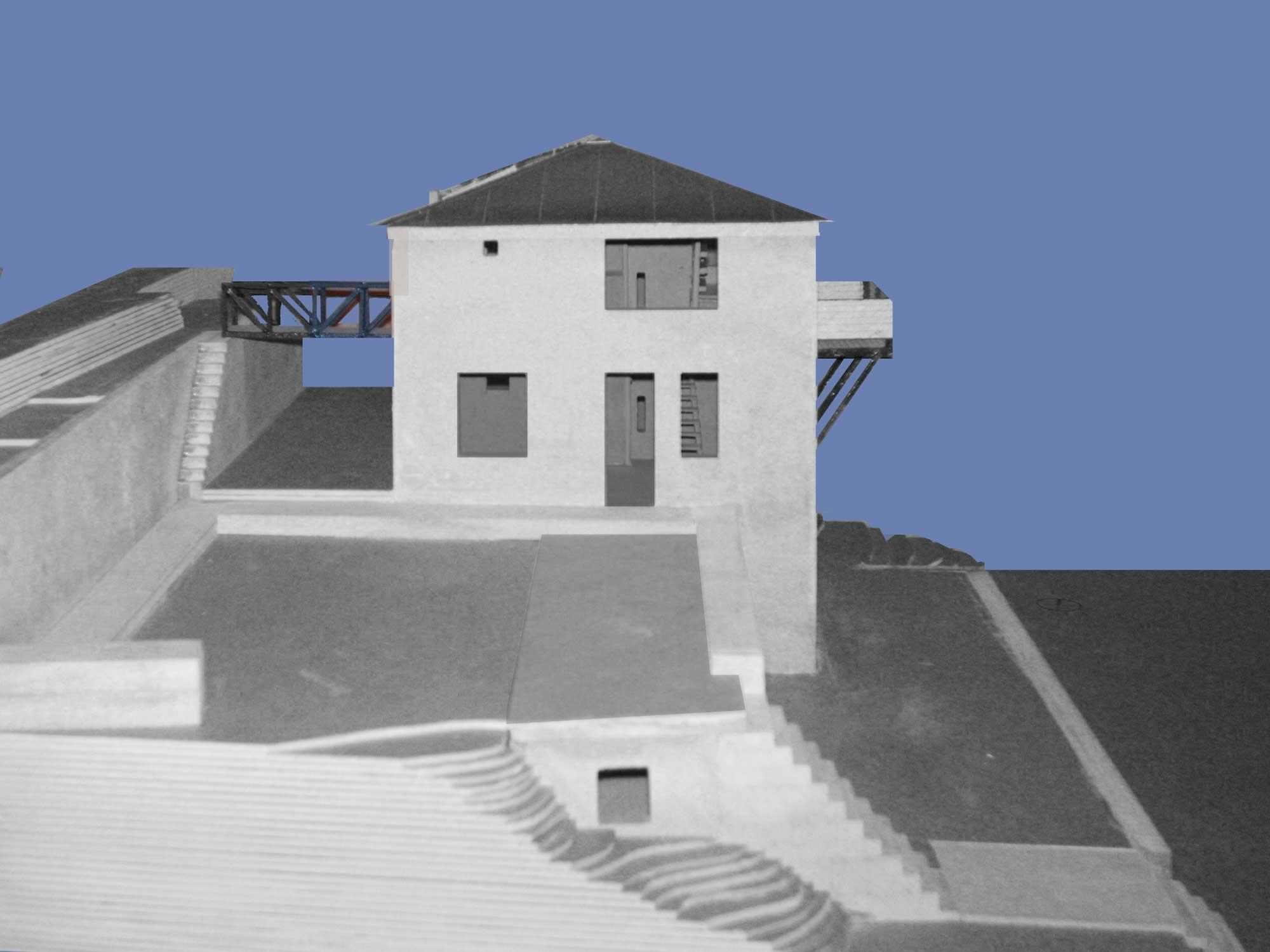
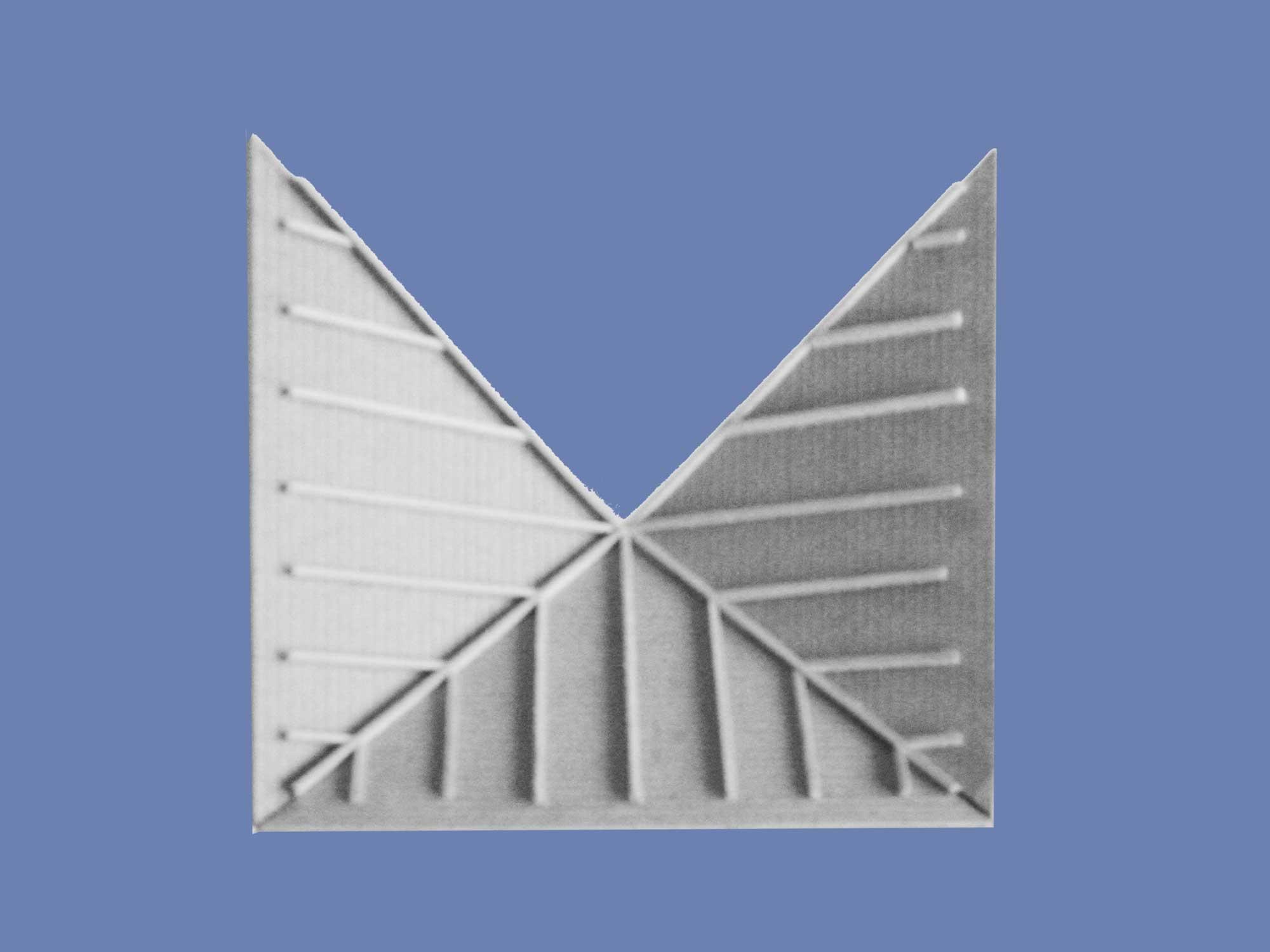
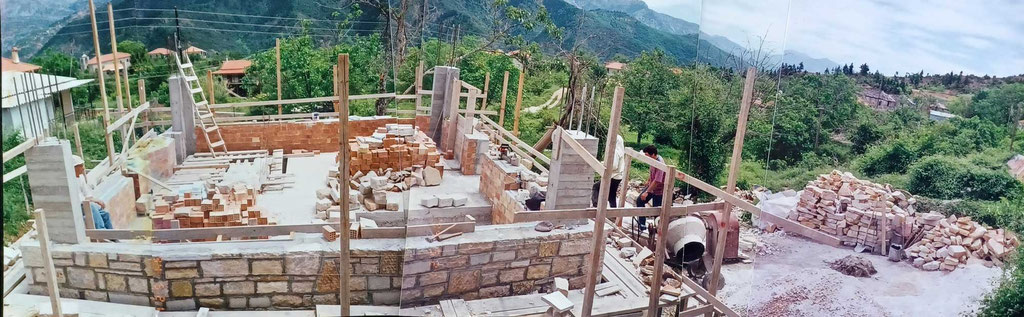
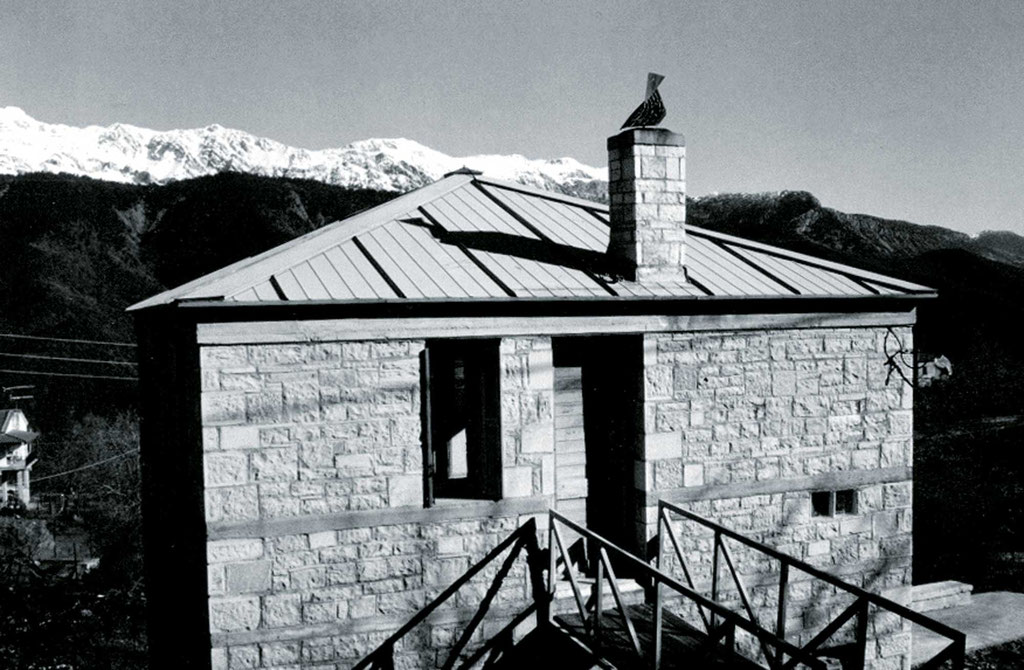
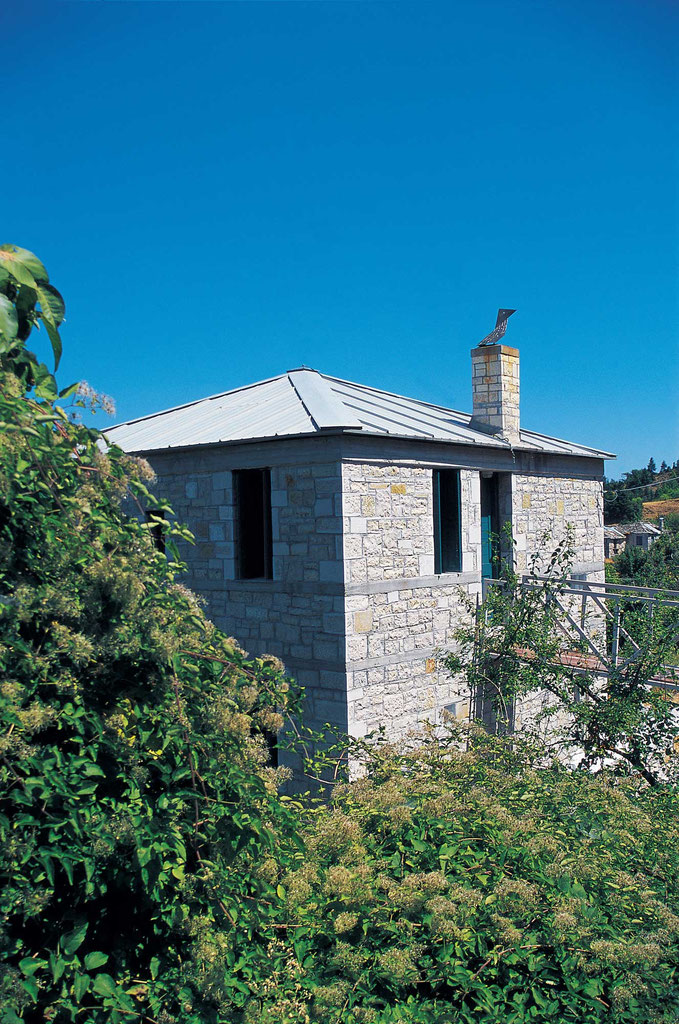
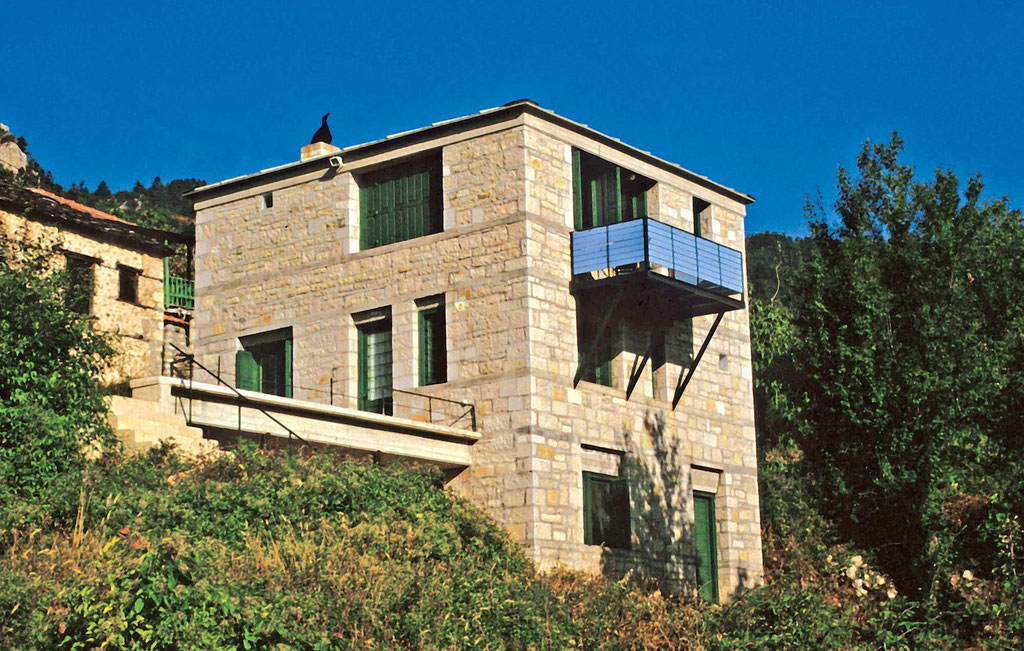
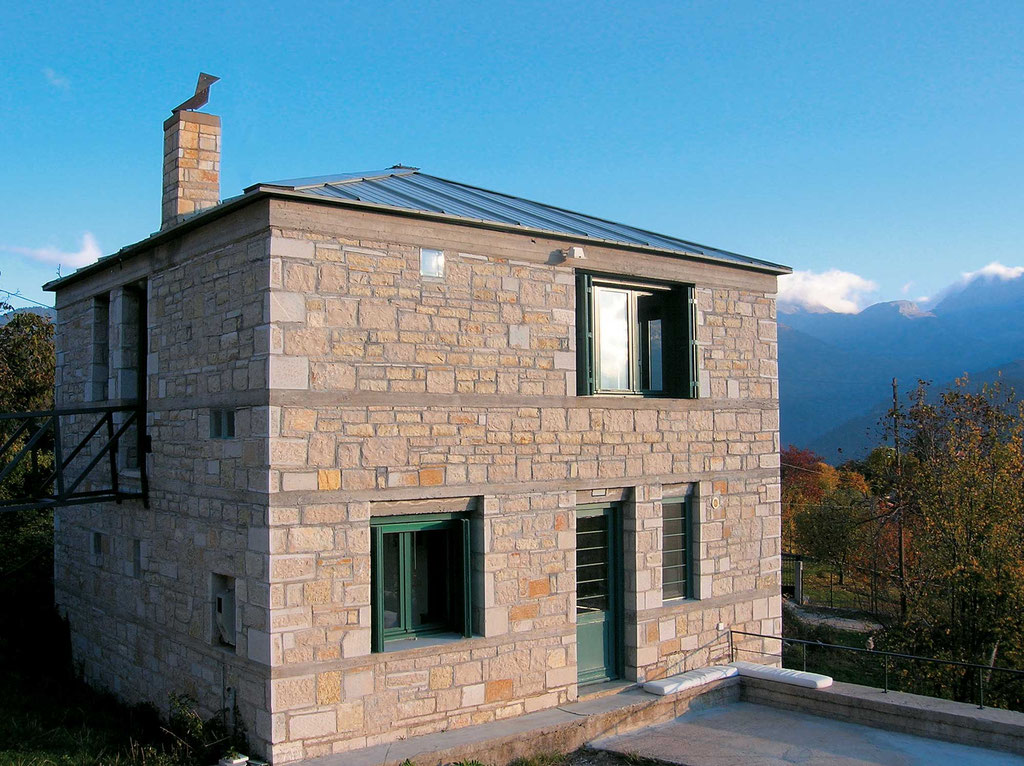
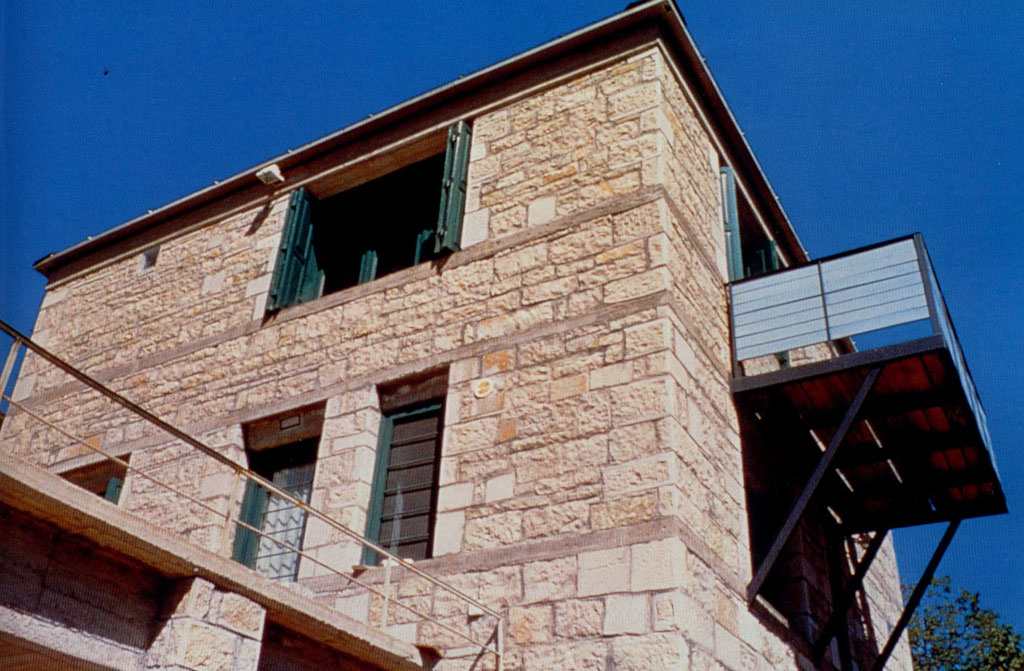
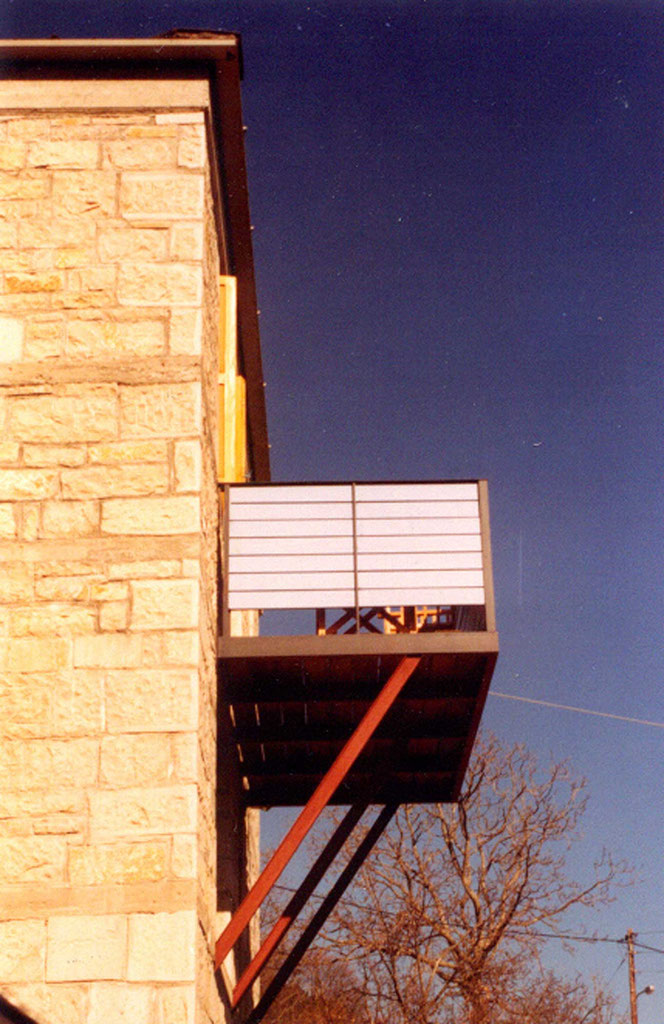
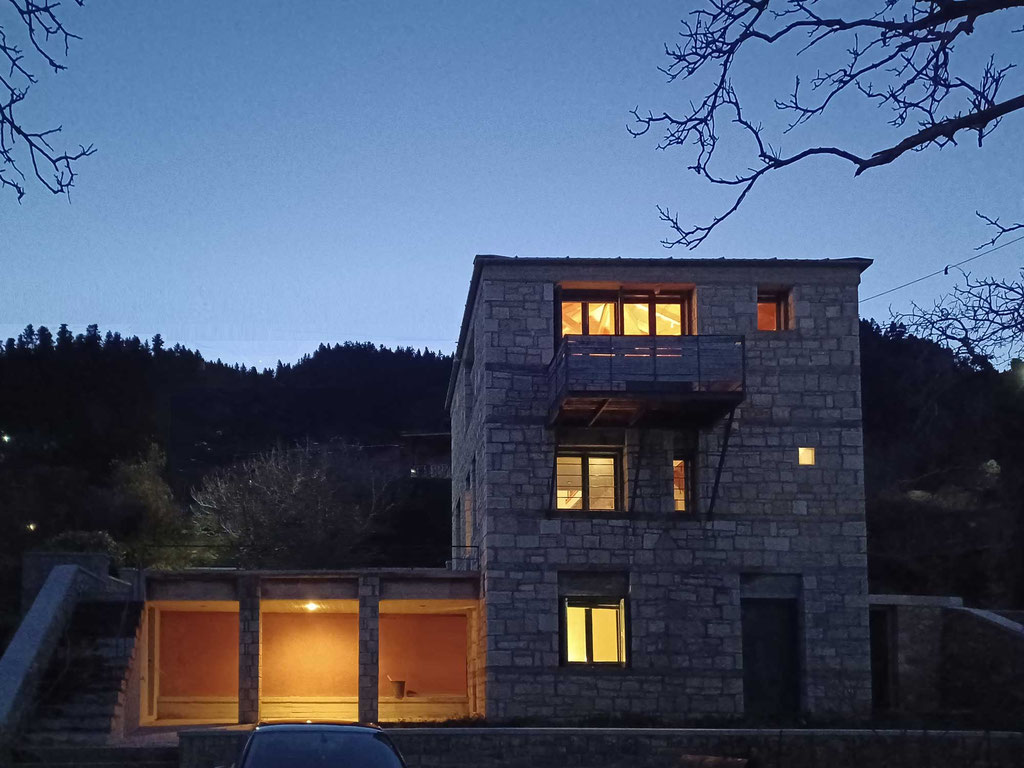
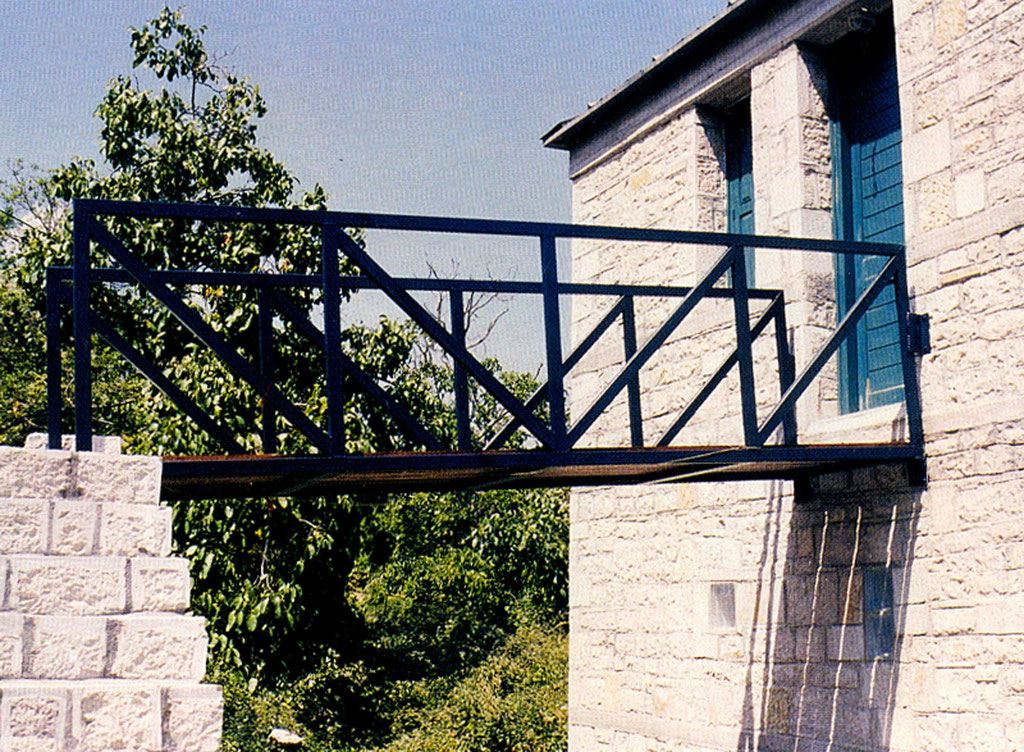
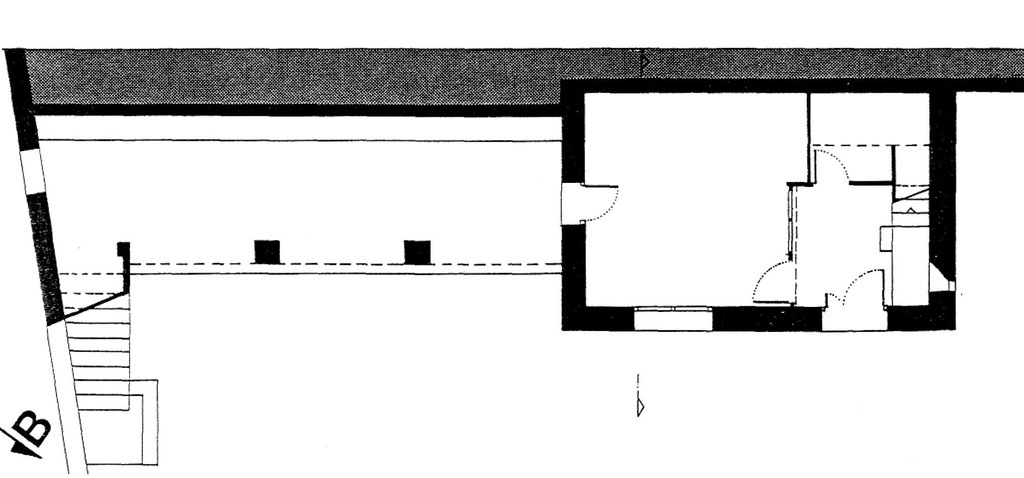
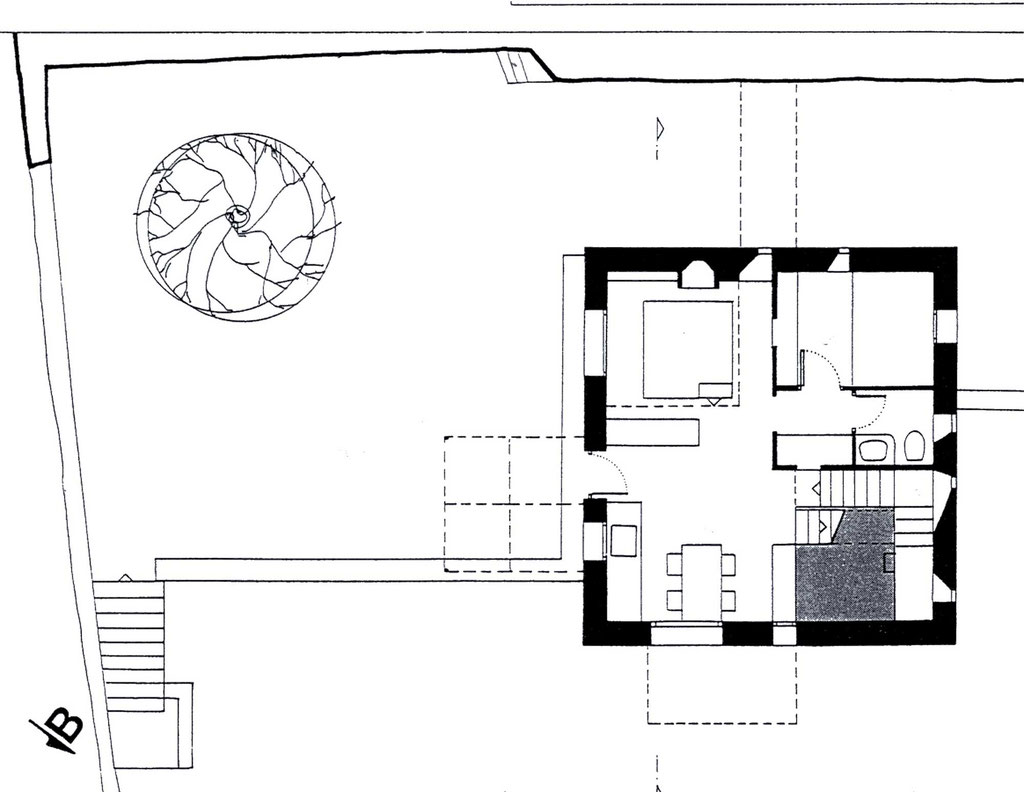
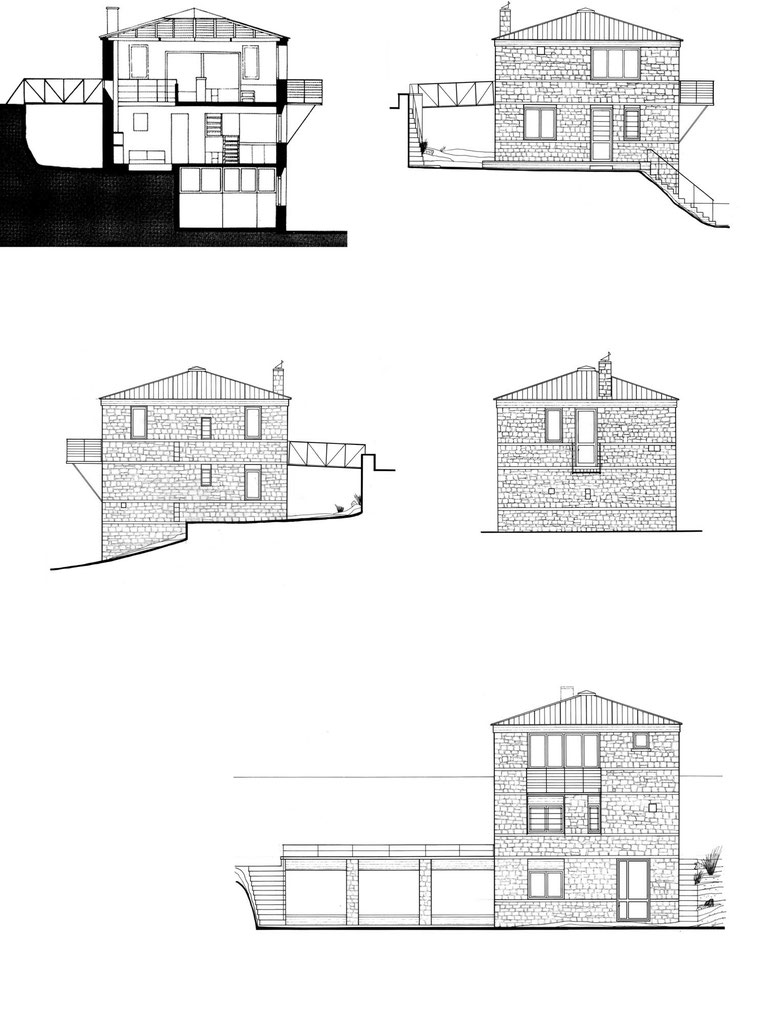
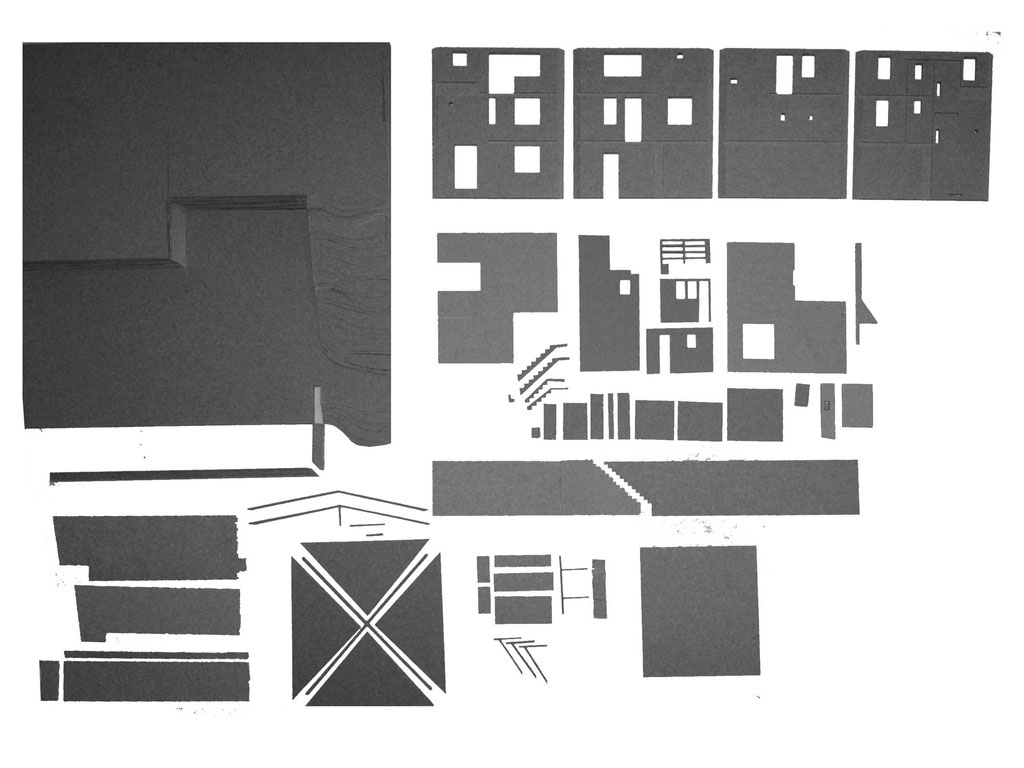
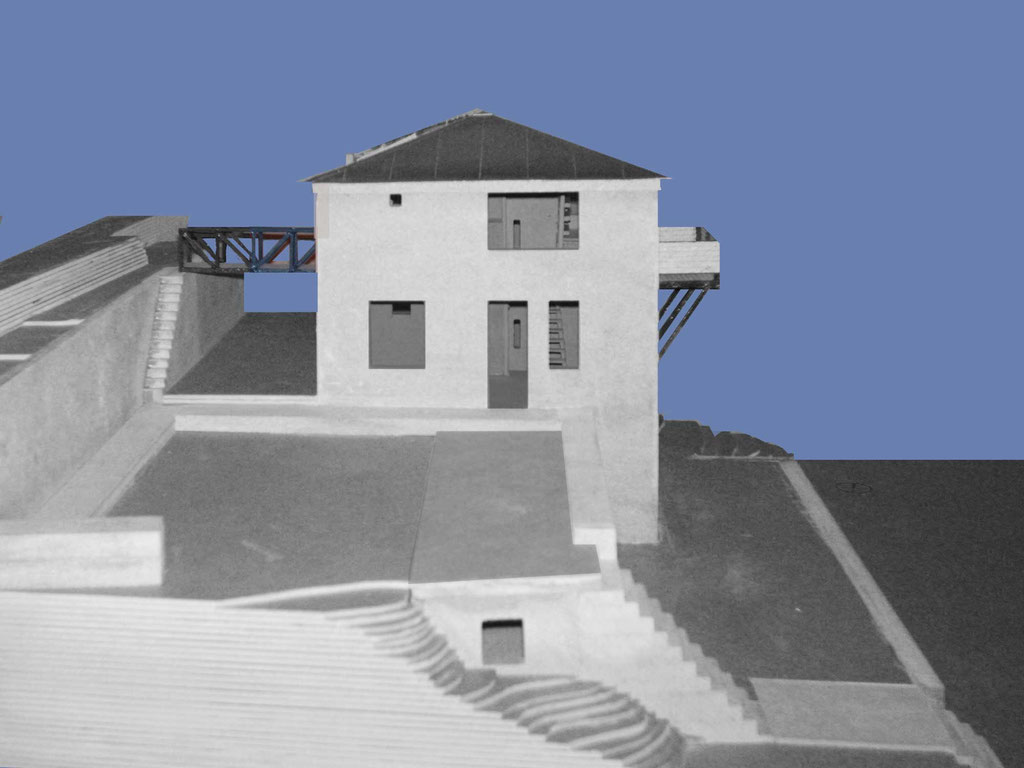
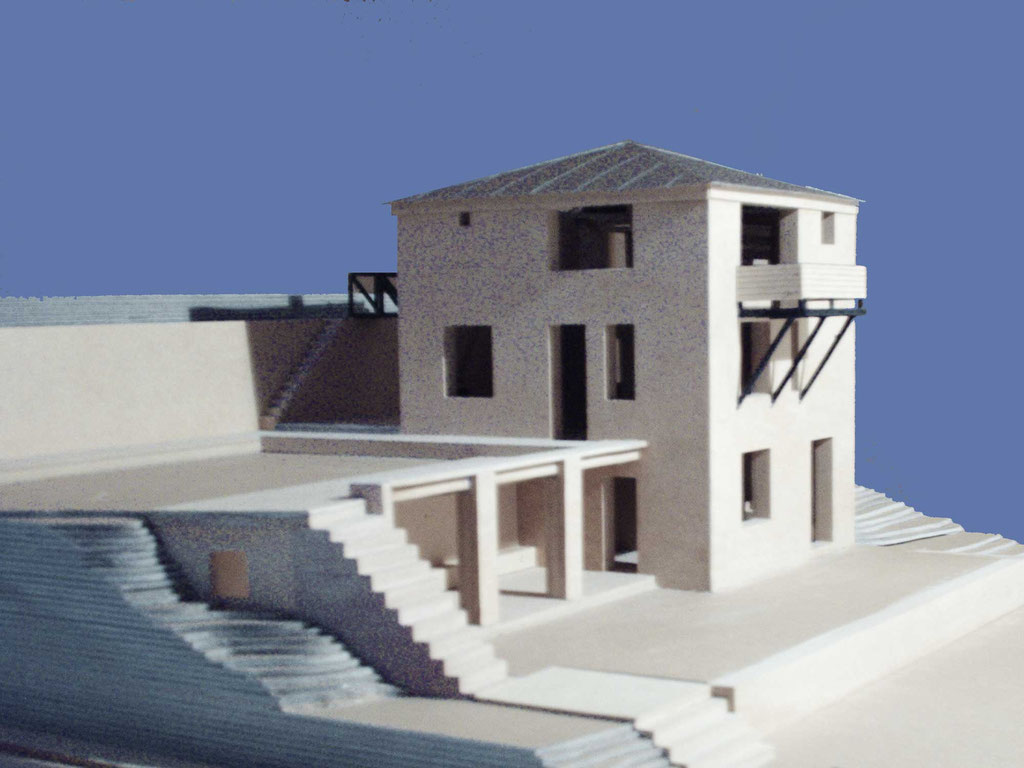
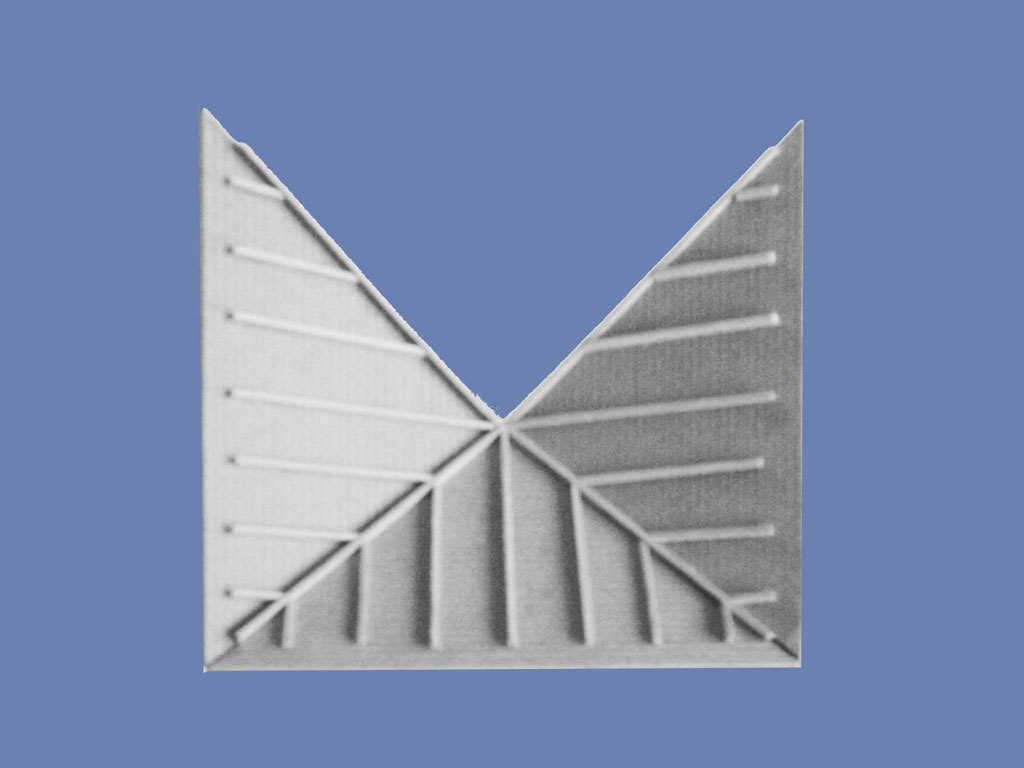
At the heart of the architectural concept lies a strict, stone-built tower with a square footprint, crowned by a metal pyramid roof and enclosing an open-plan interior. The building seeks to reconcile familiar traditional forms with contemporary architectural composition. The articulation of crafted stone masonry with suspended metal structures (bridge, balcony), along with the calibrated balance of solids and voids, defines its exterior identity.
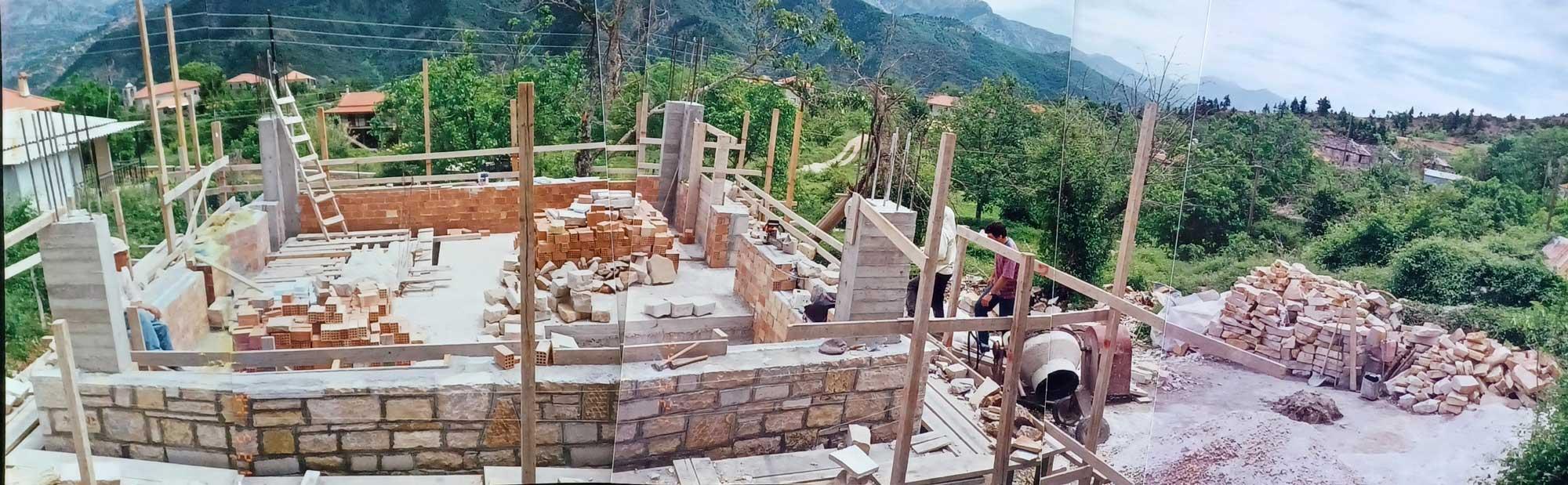
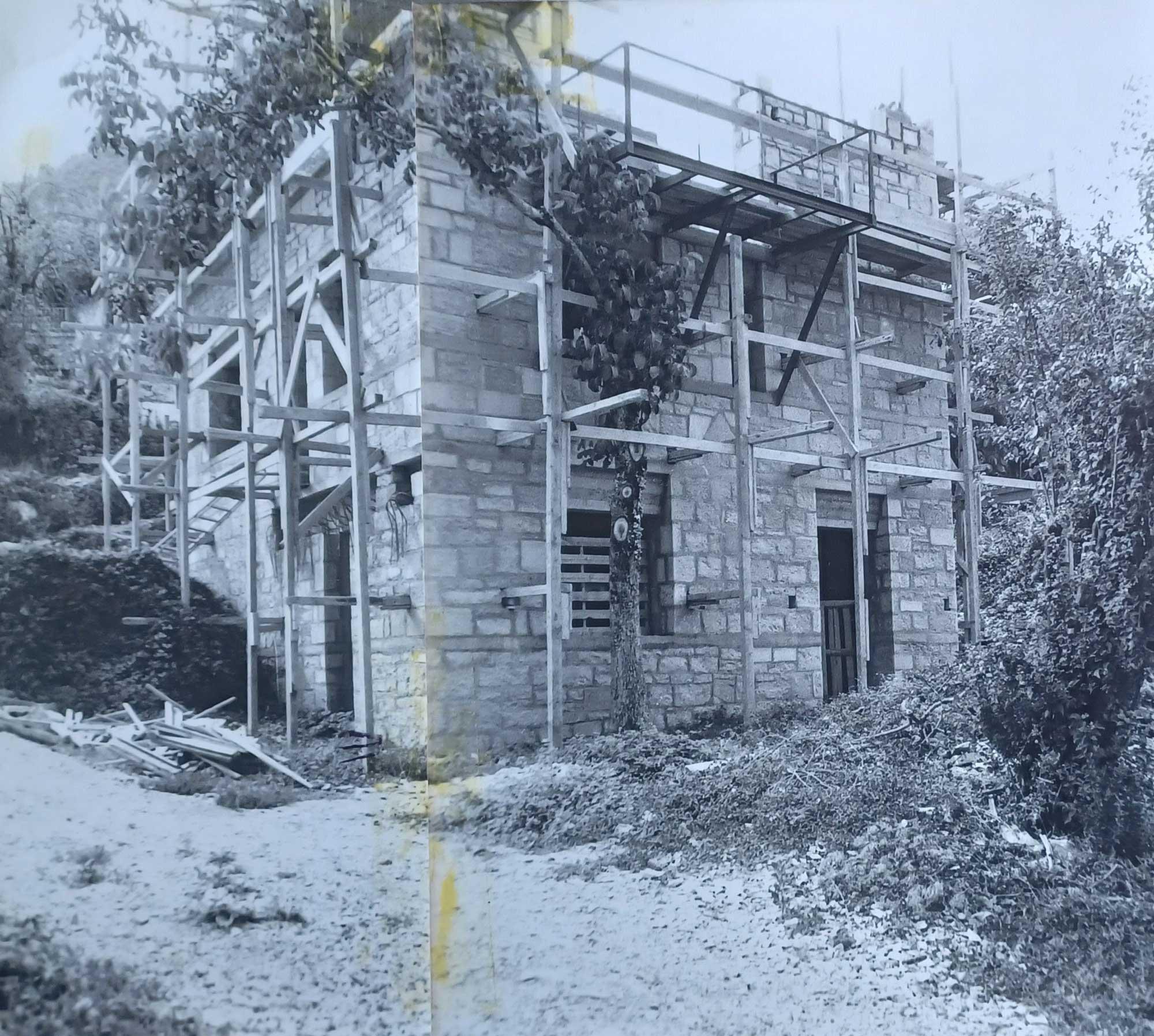
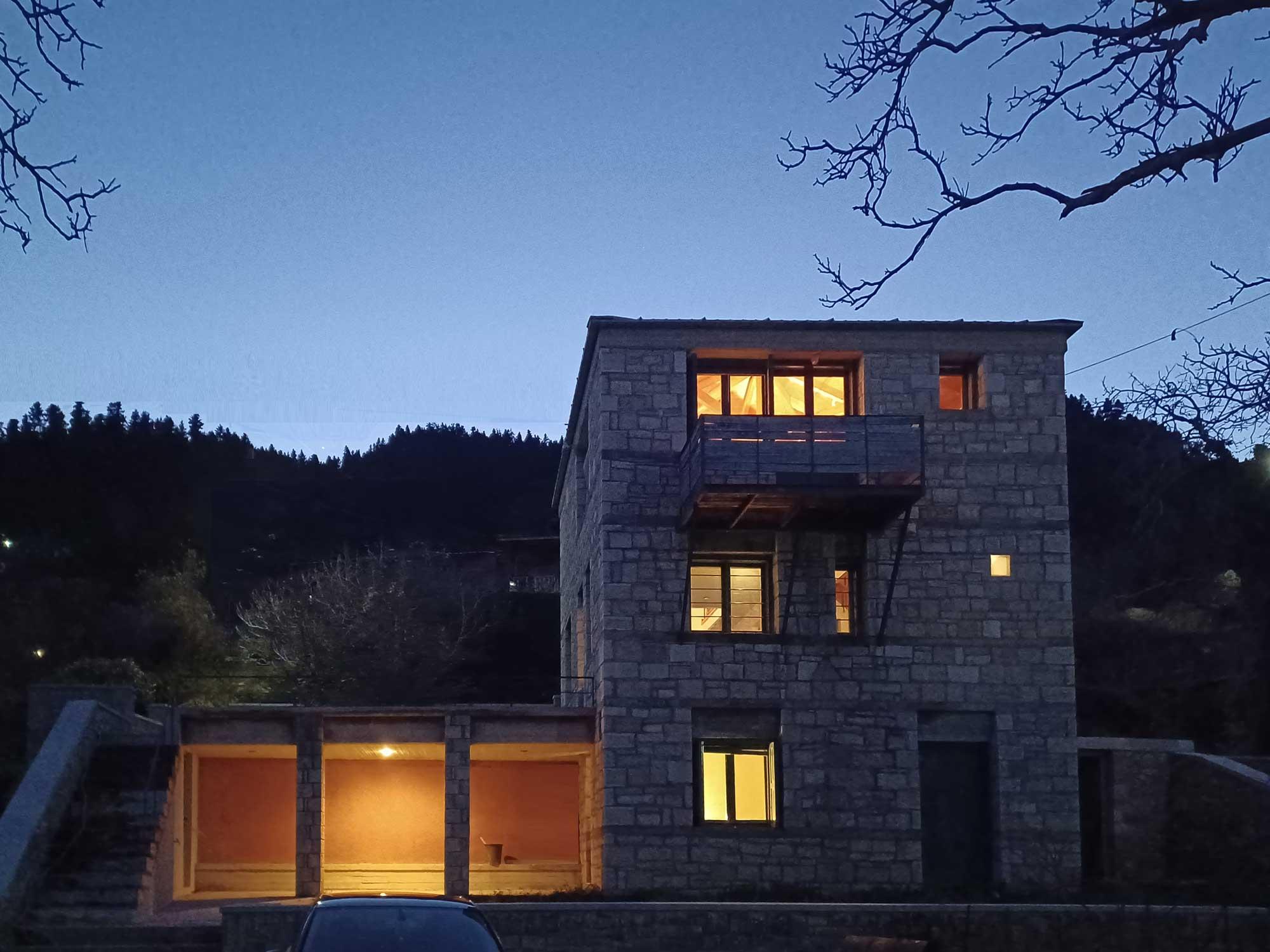
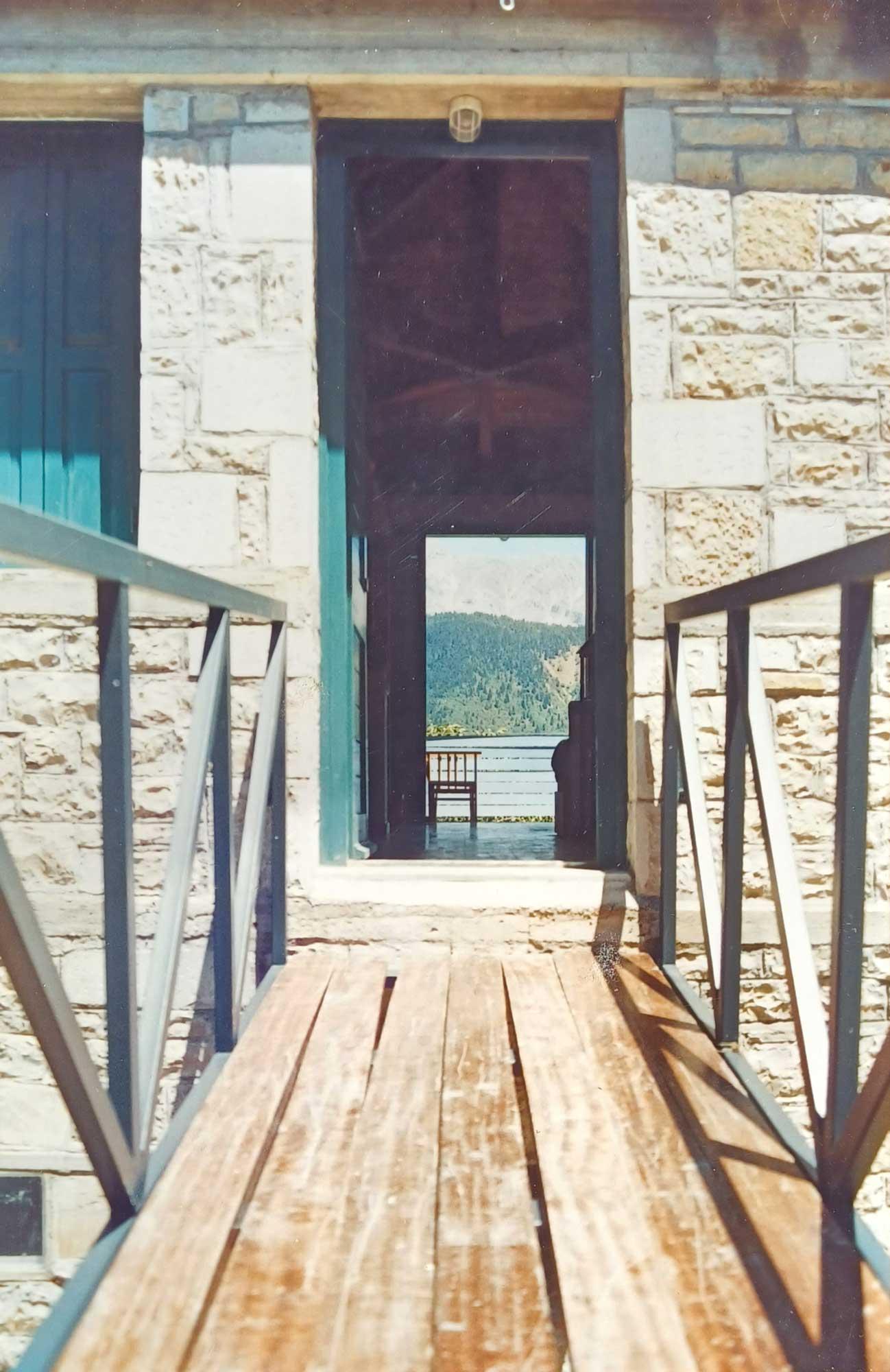
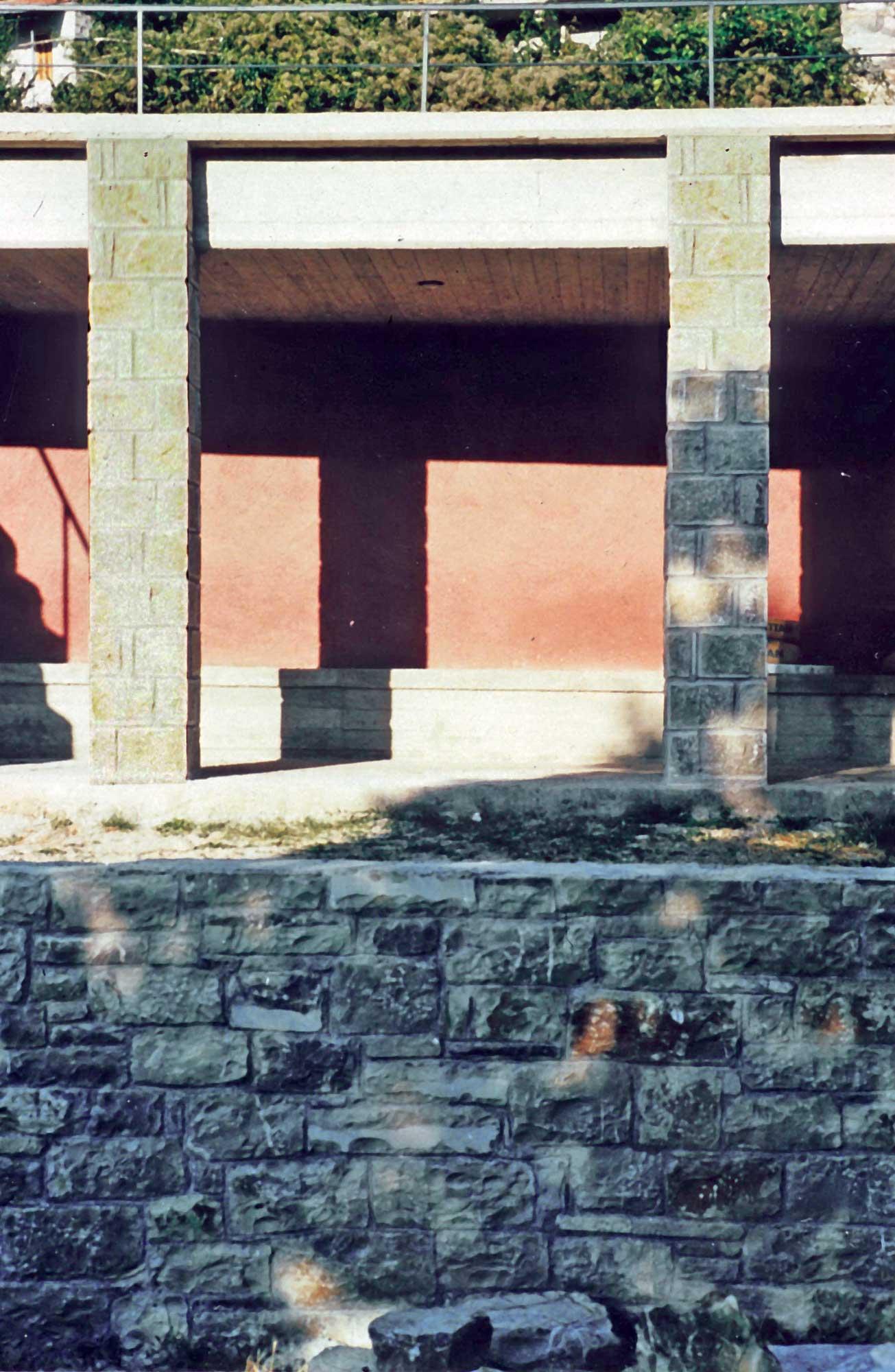
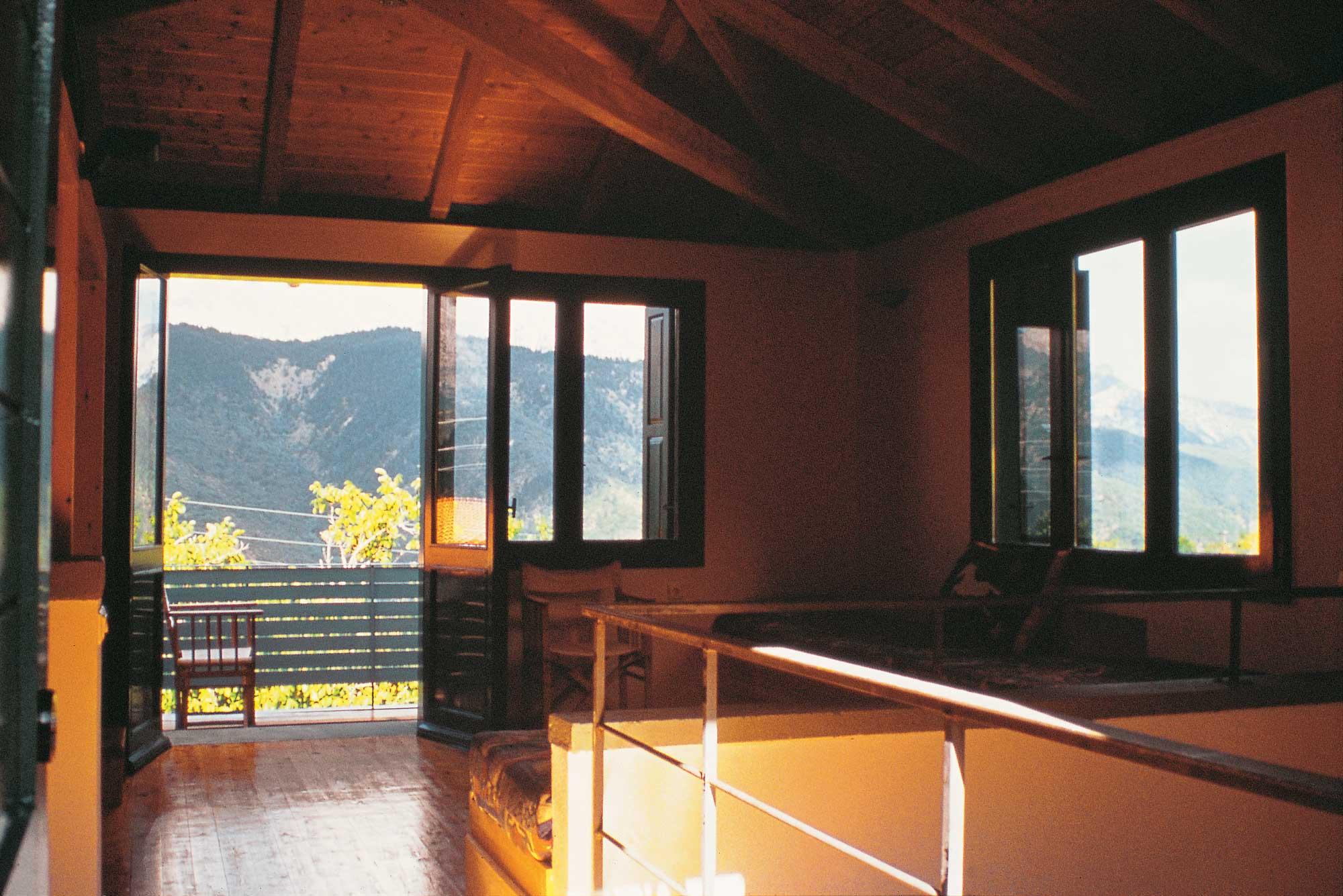
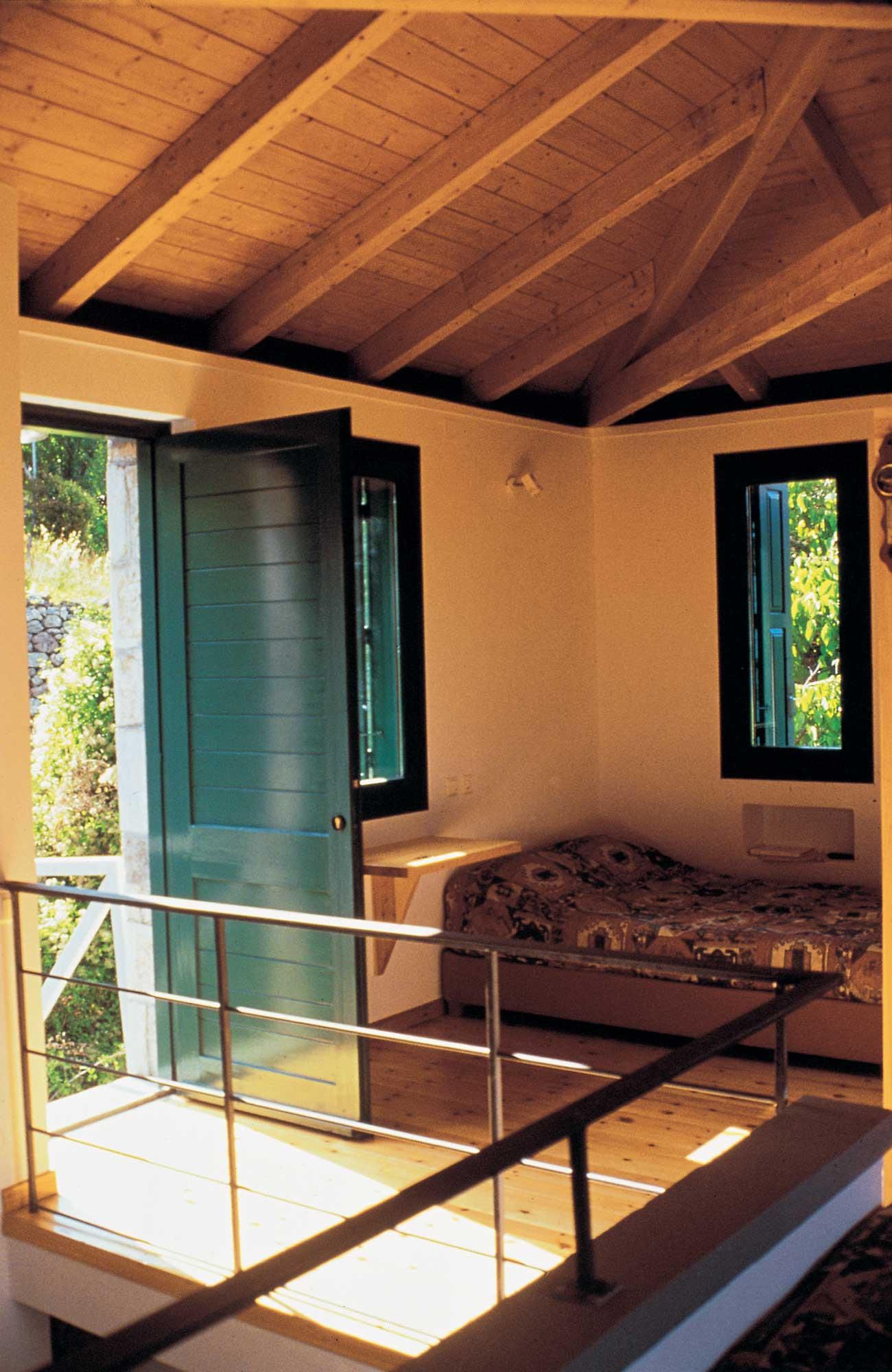
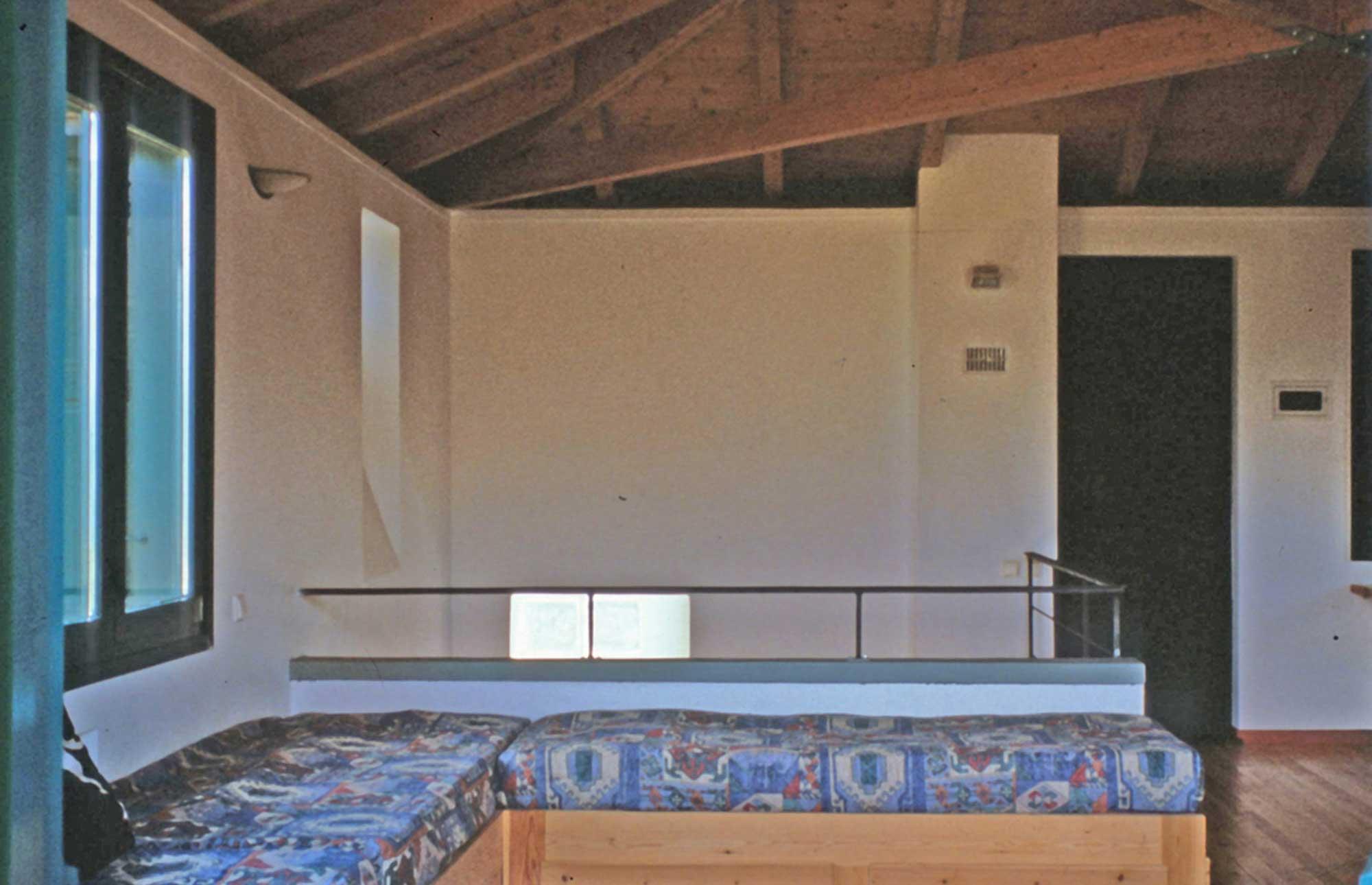
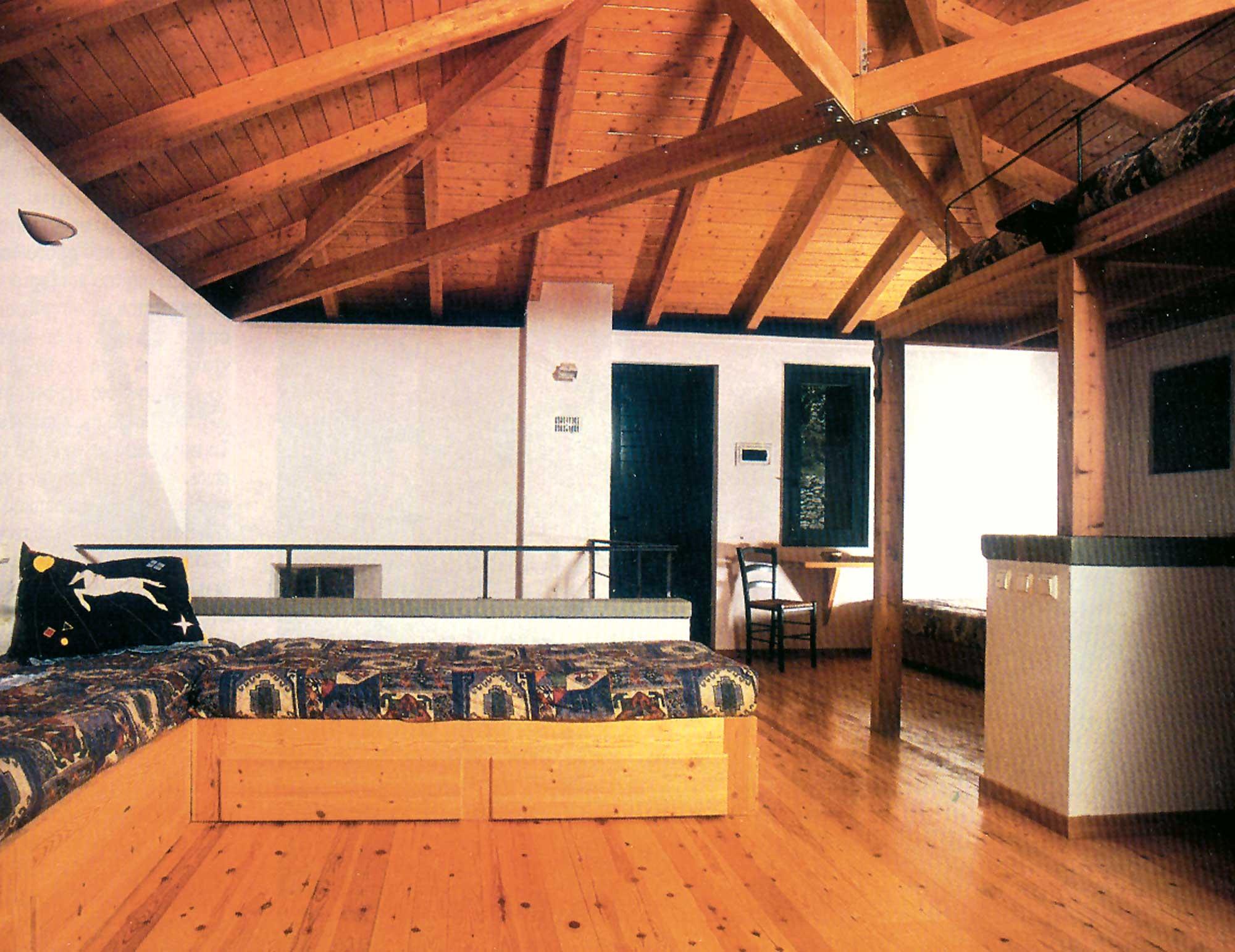
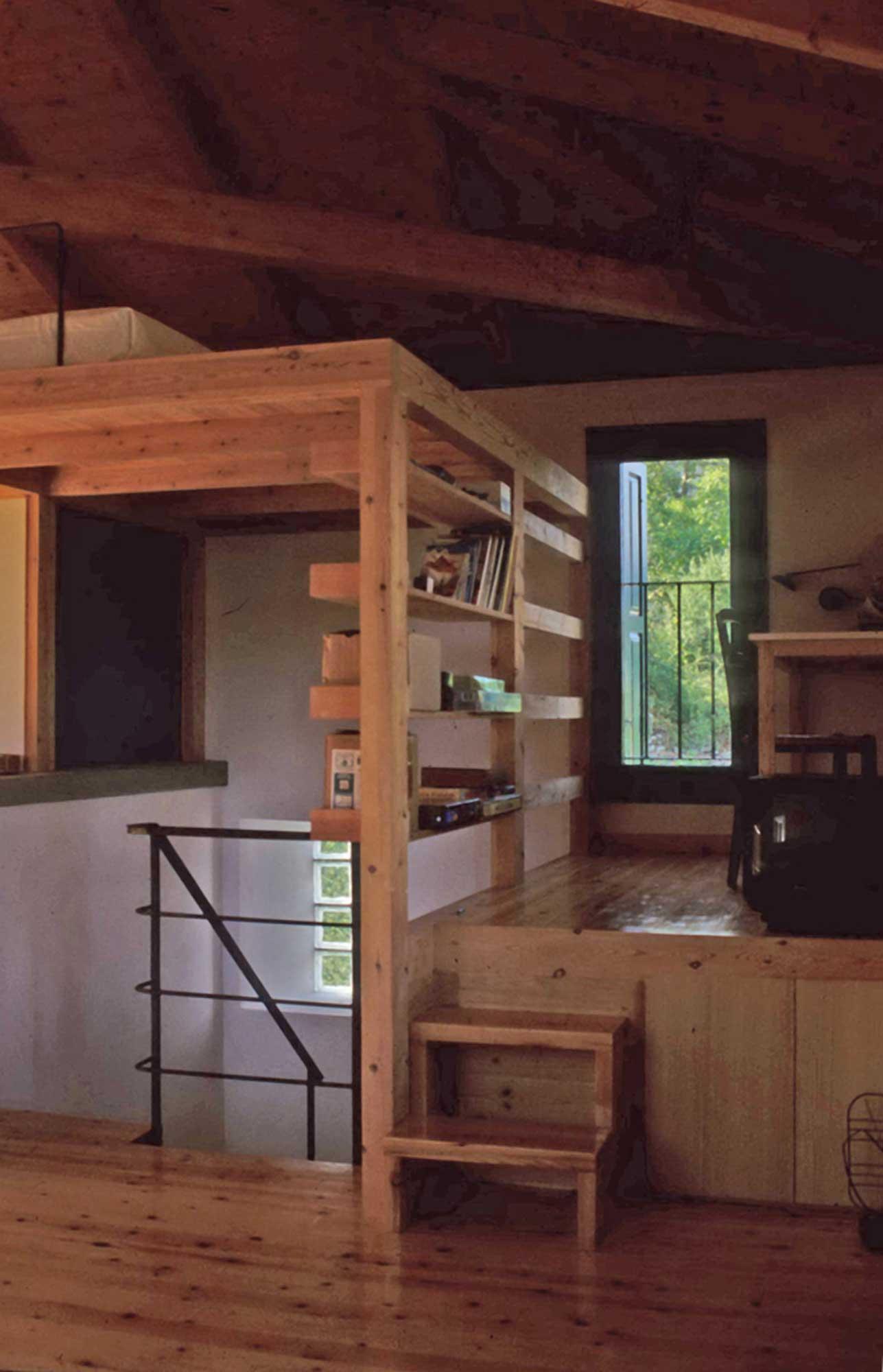
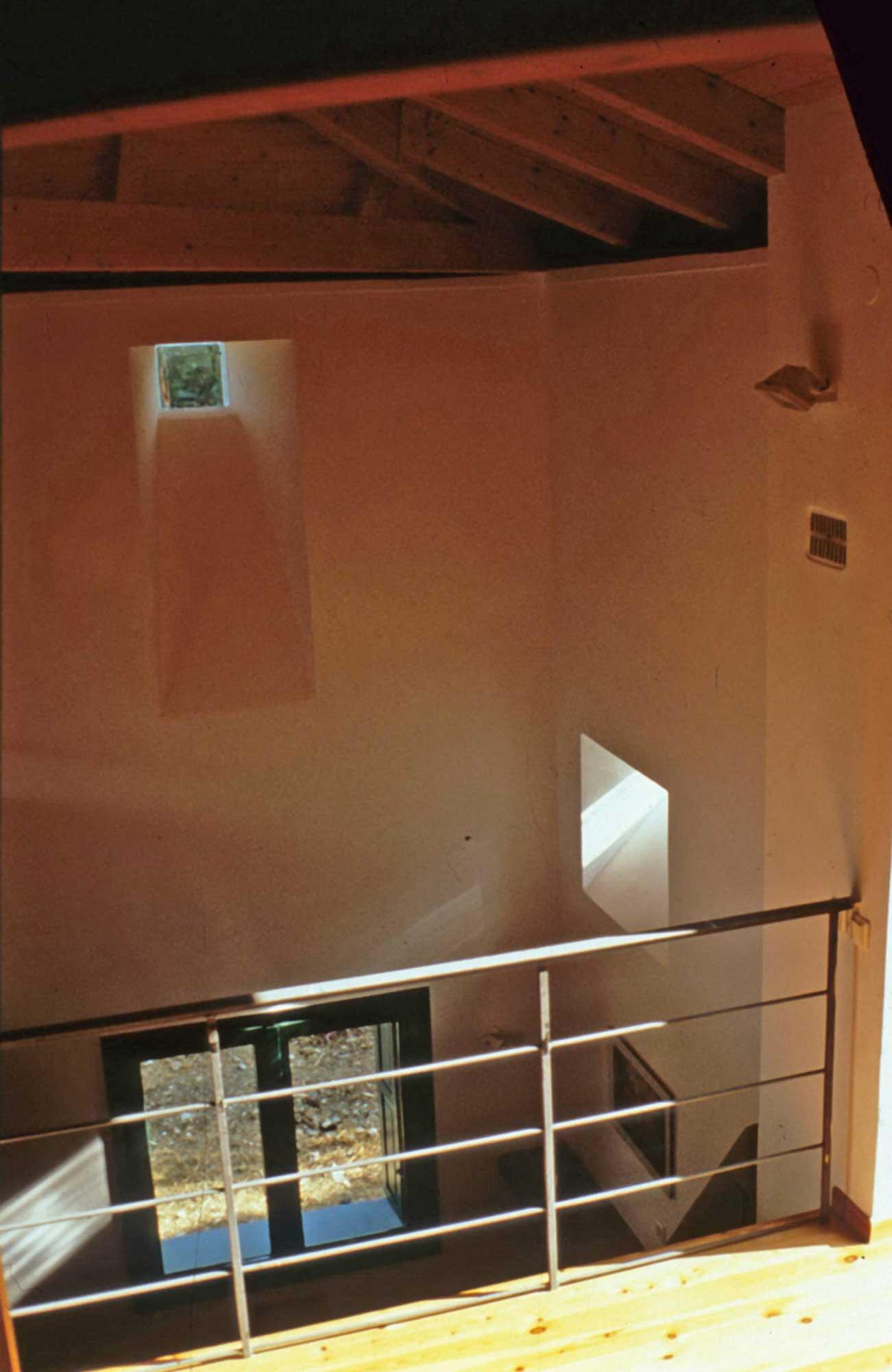
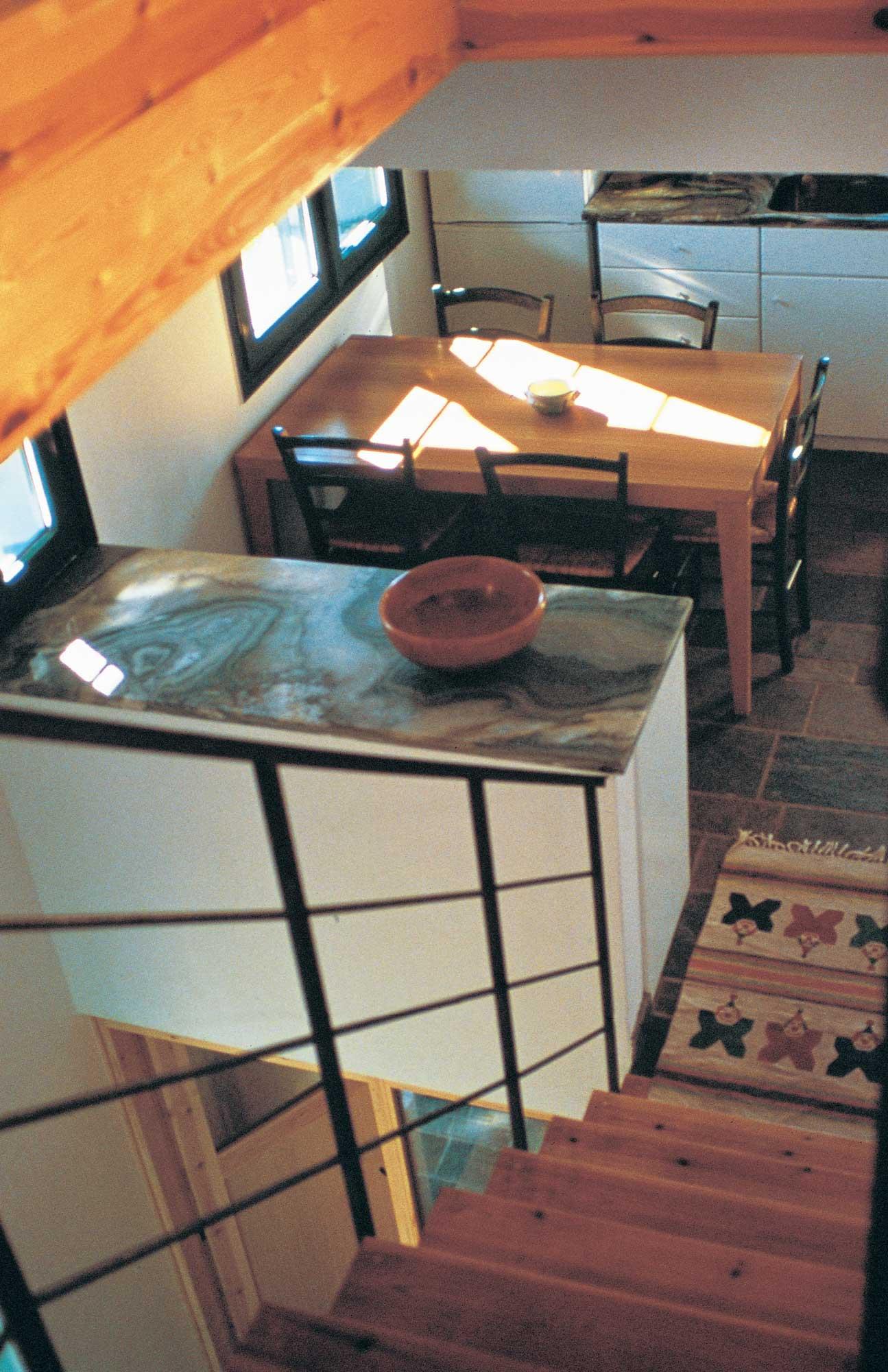
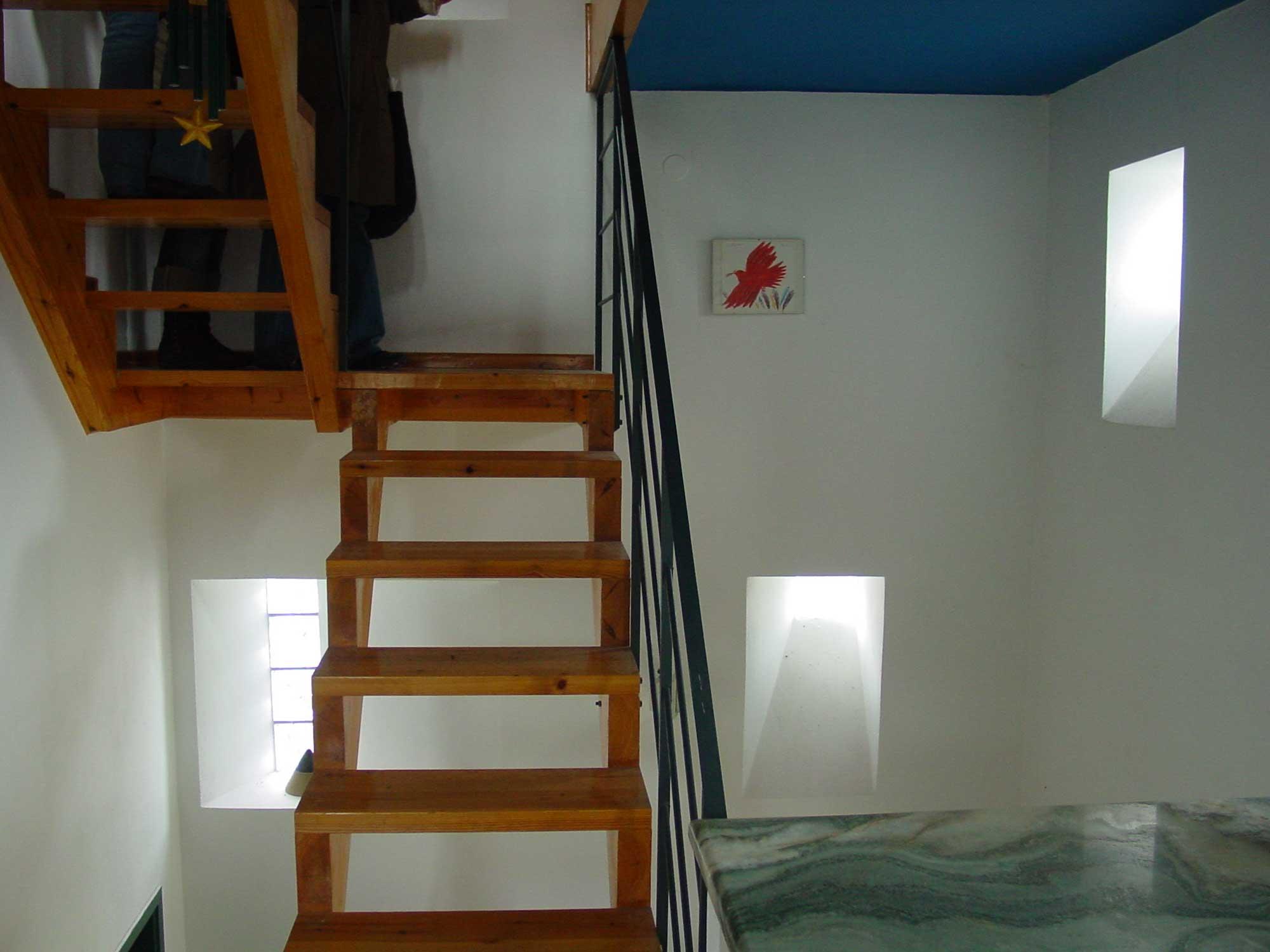
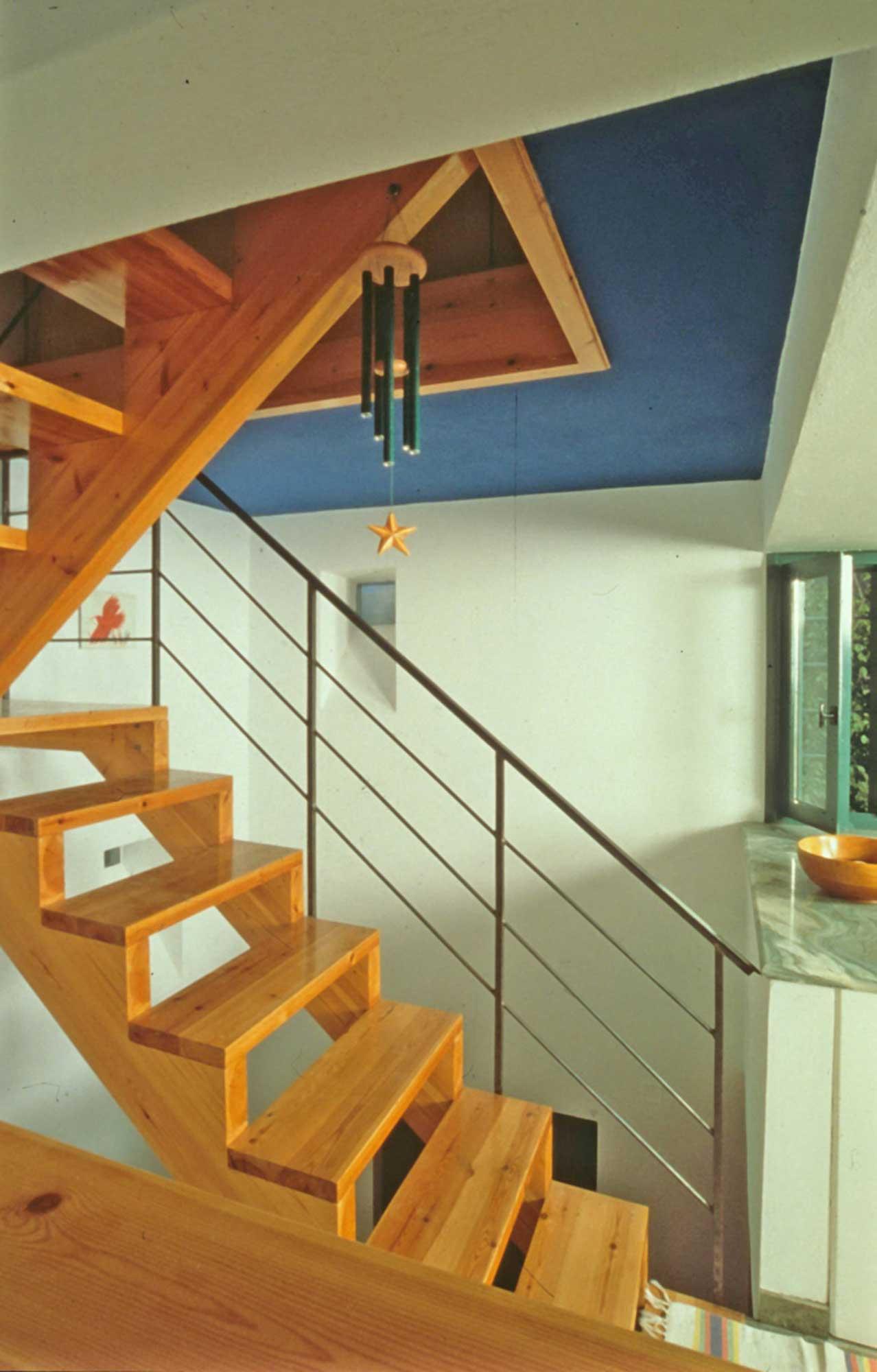
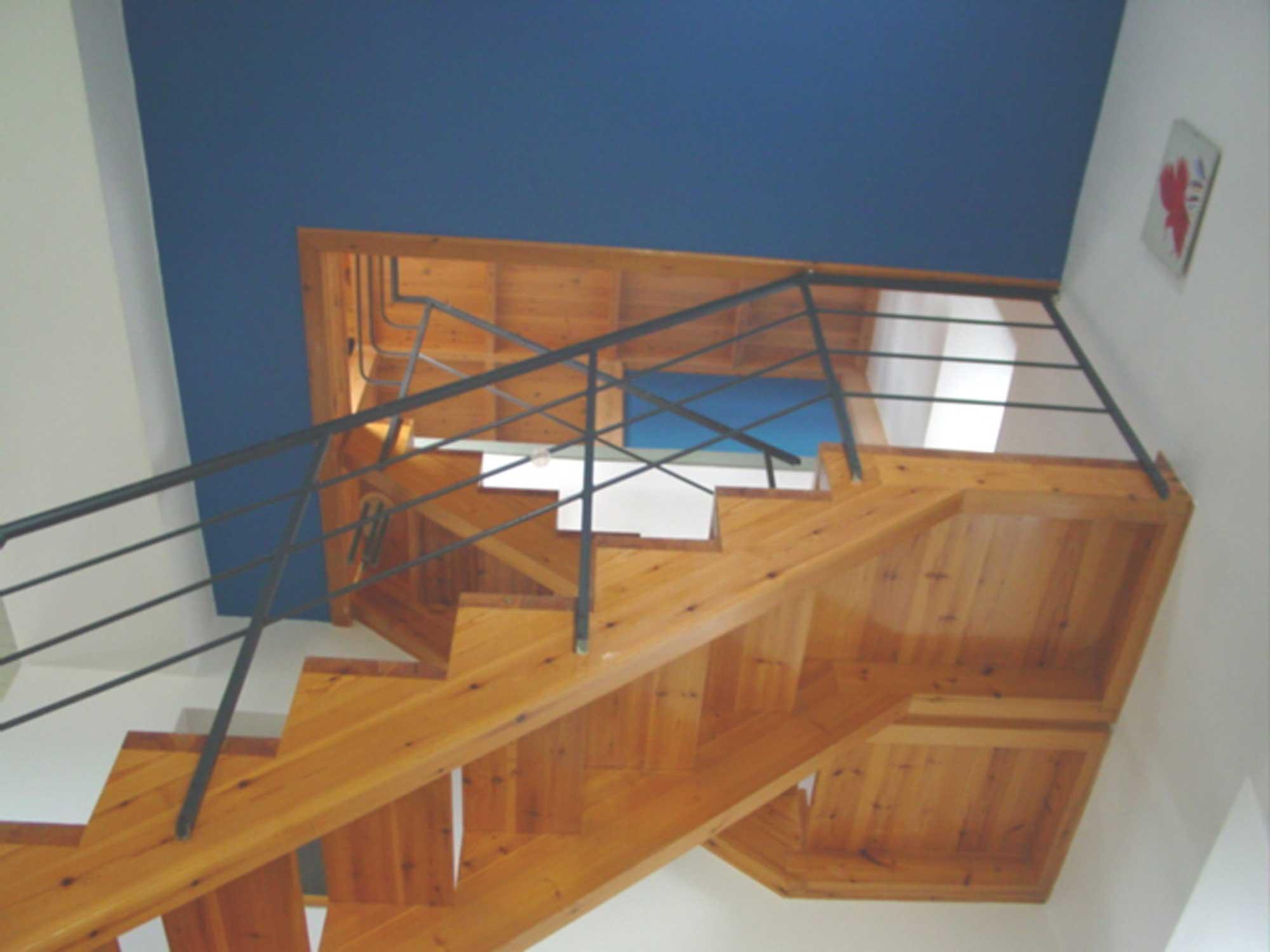
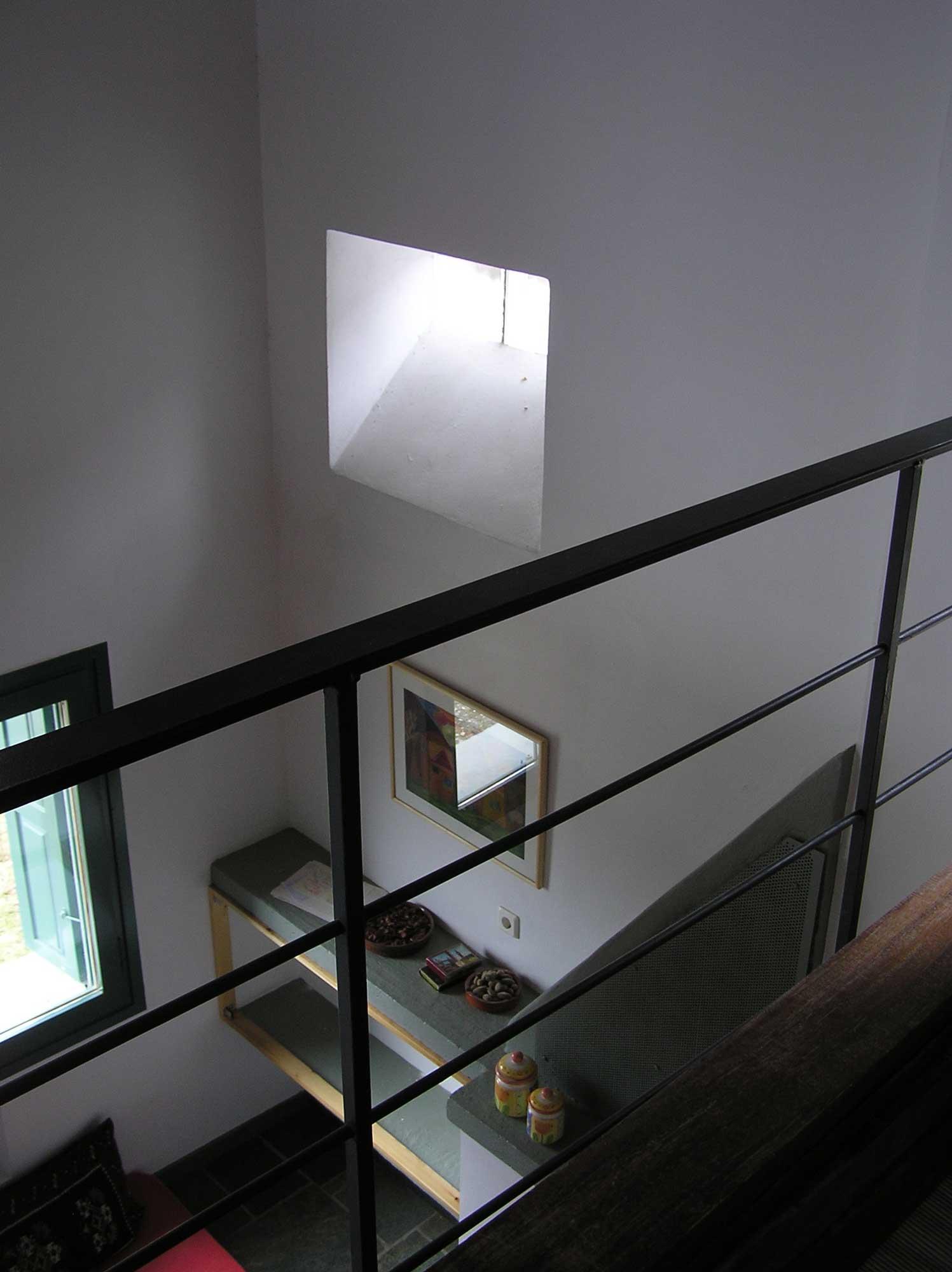
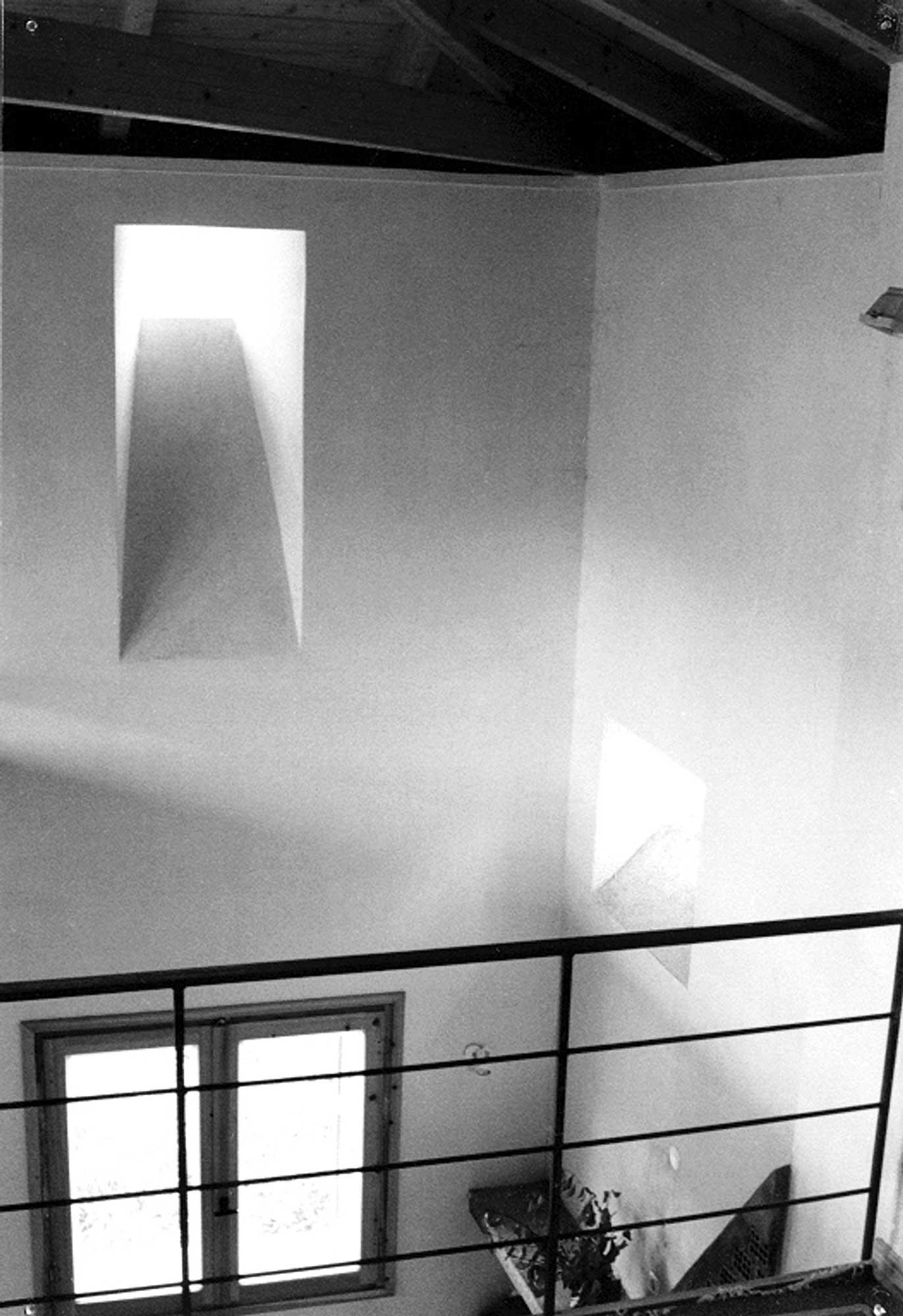
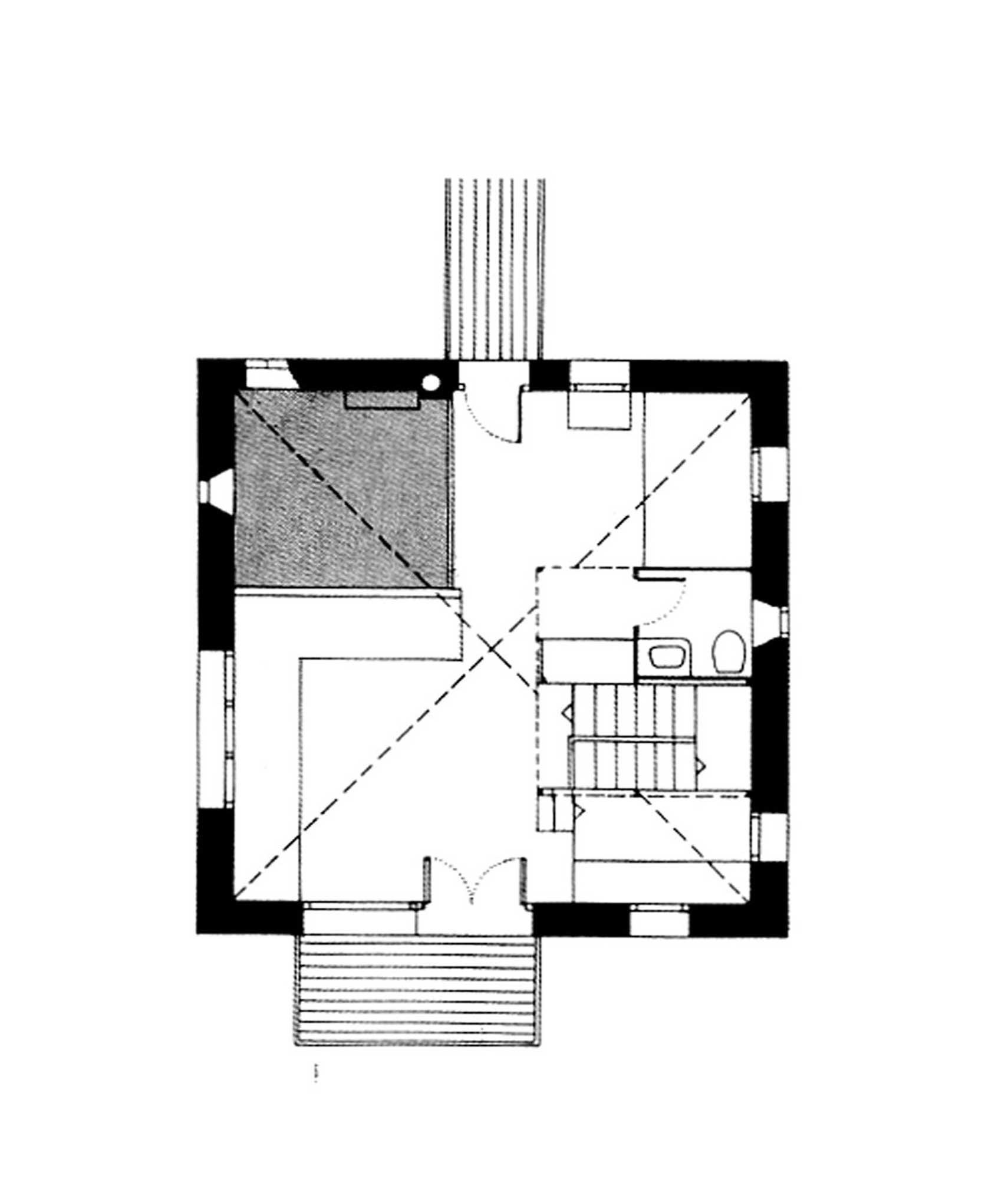
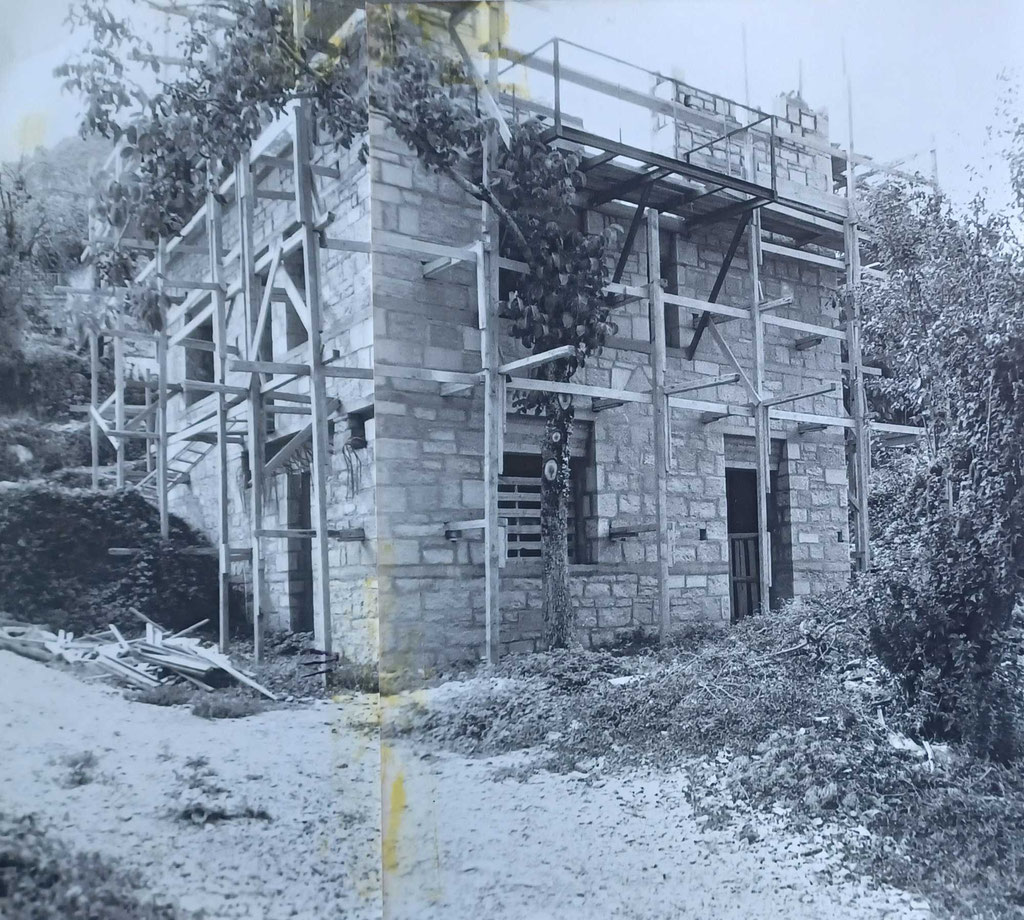
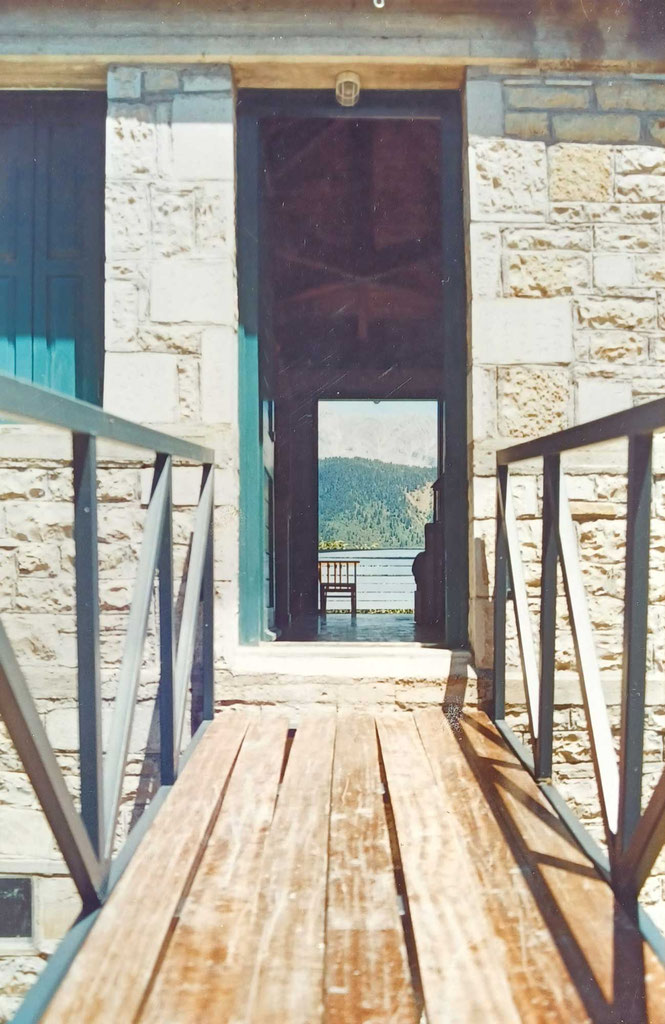
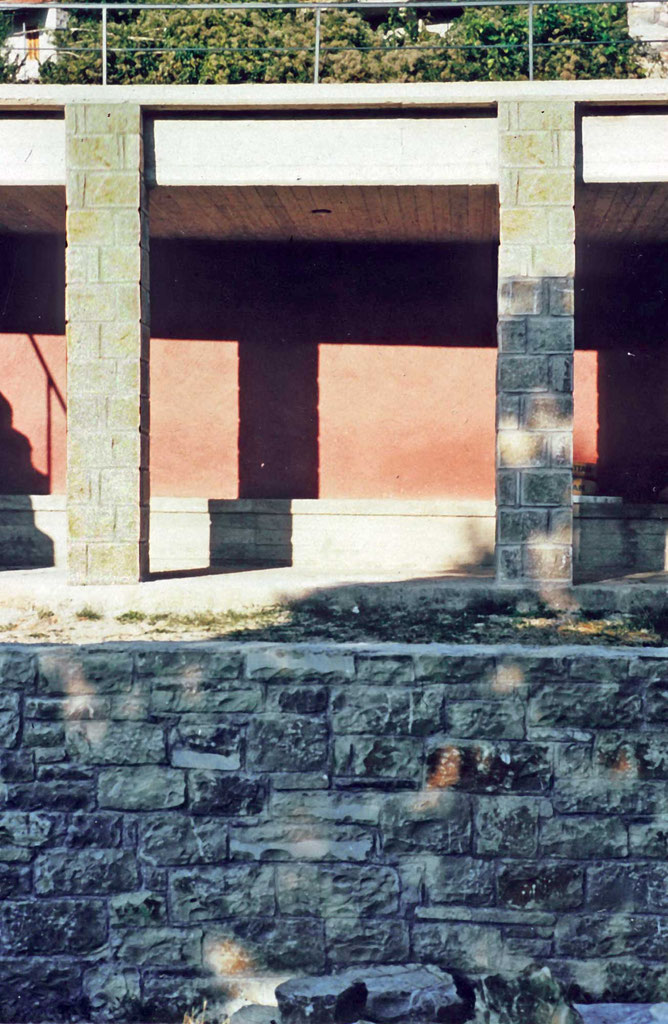
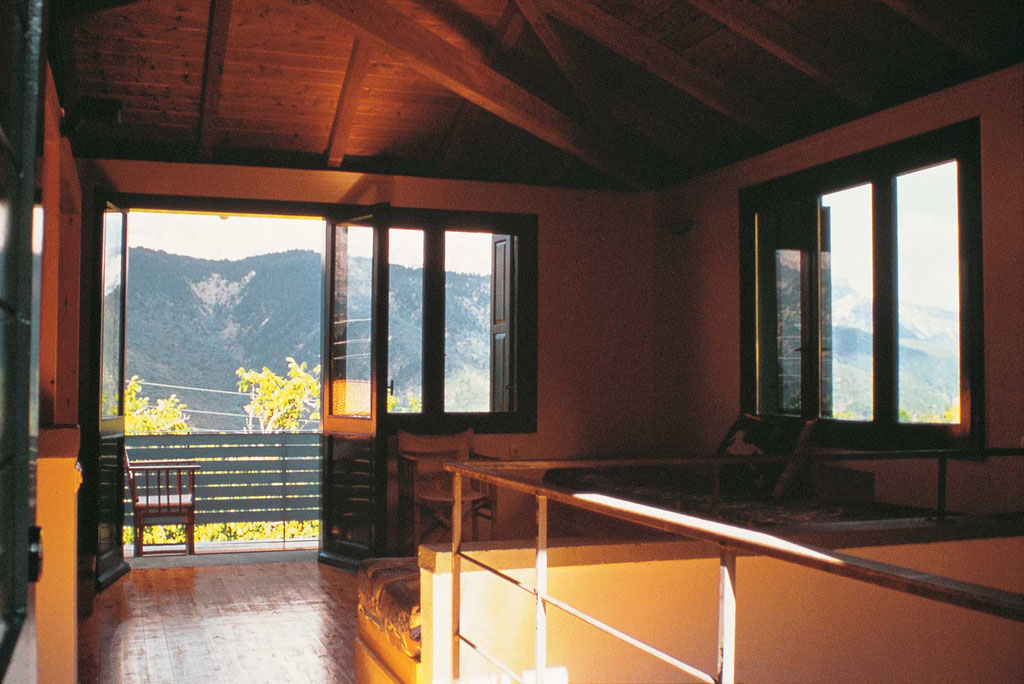
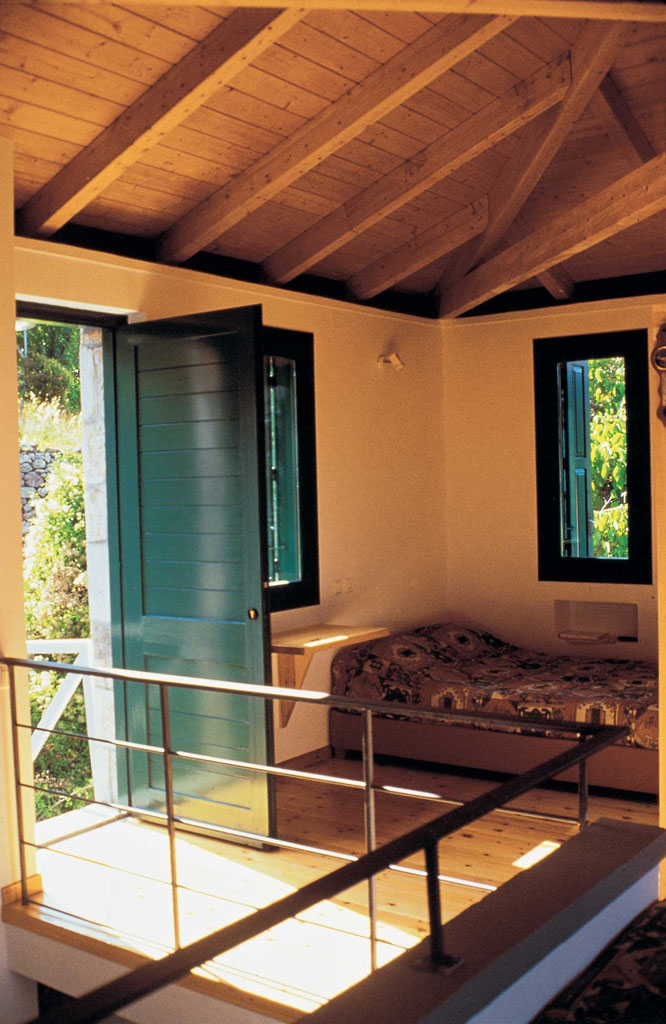
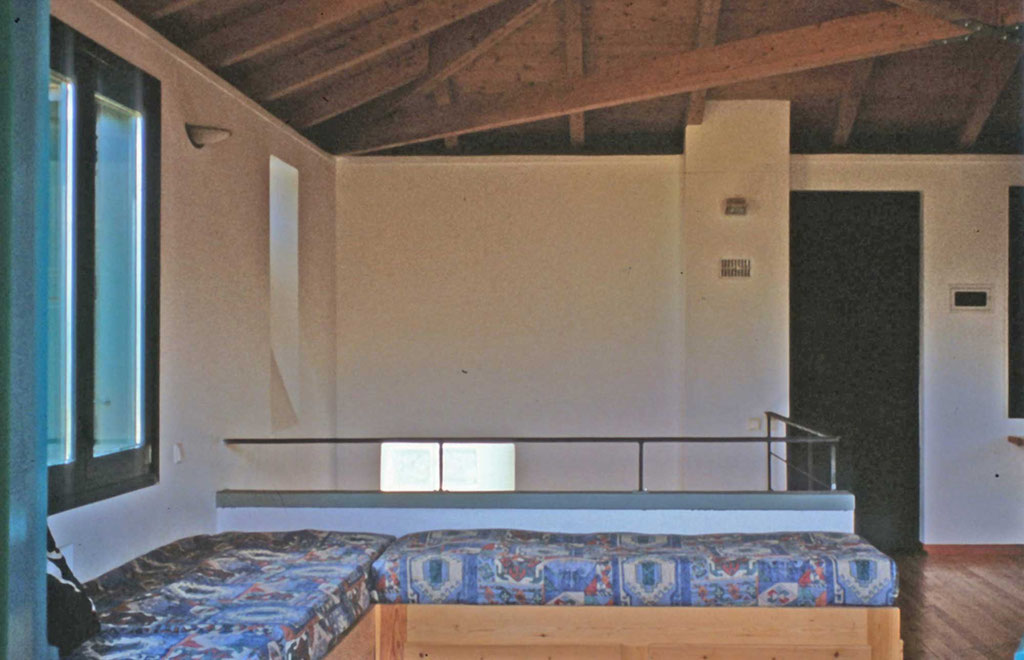
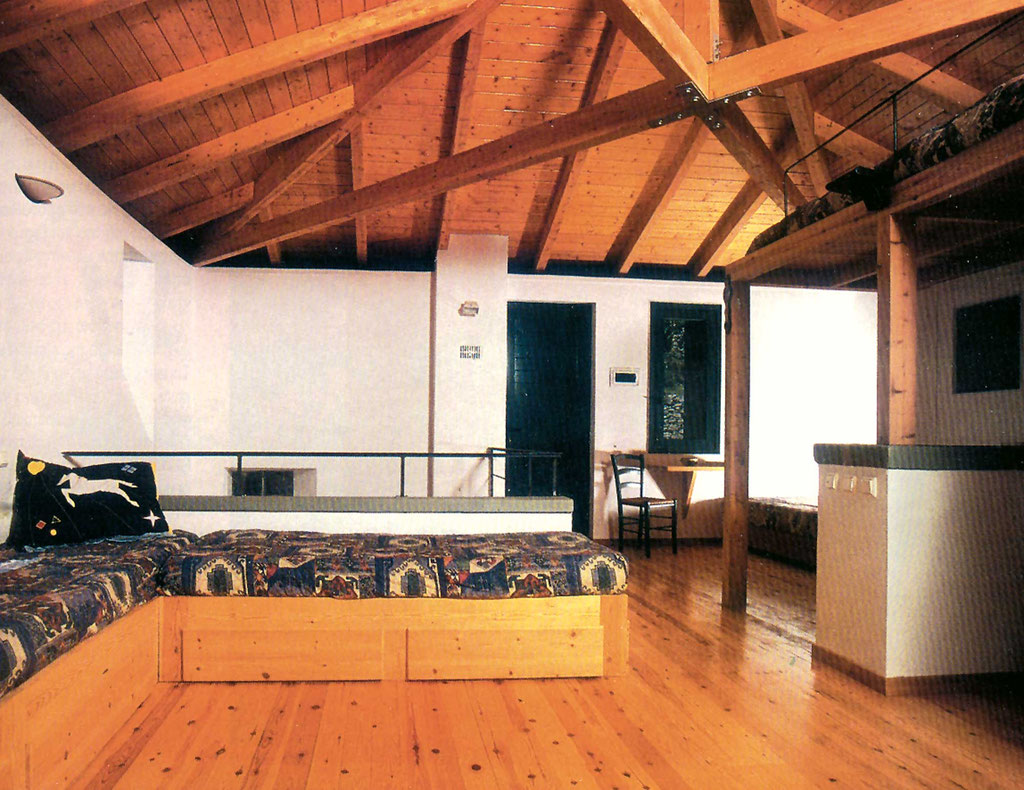
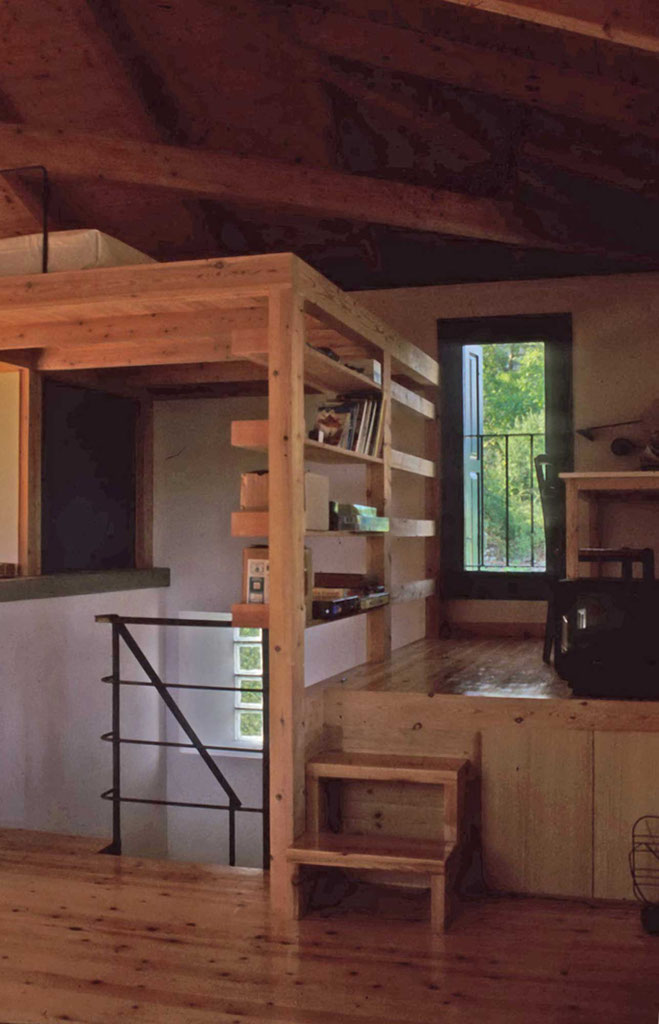
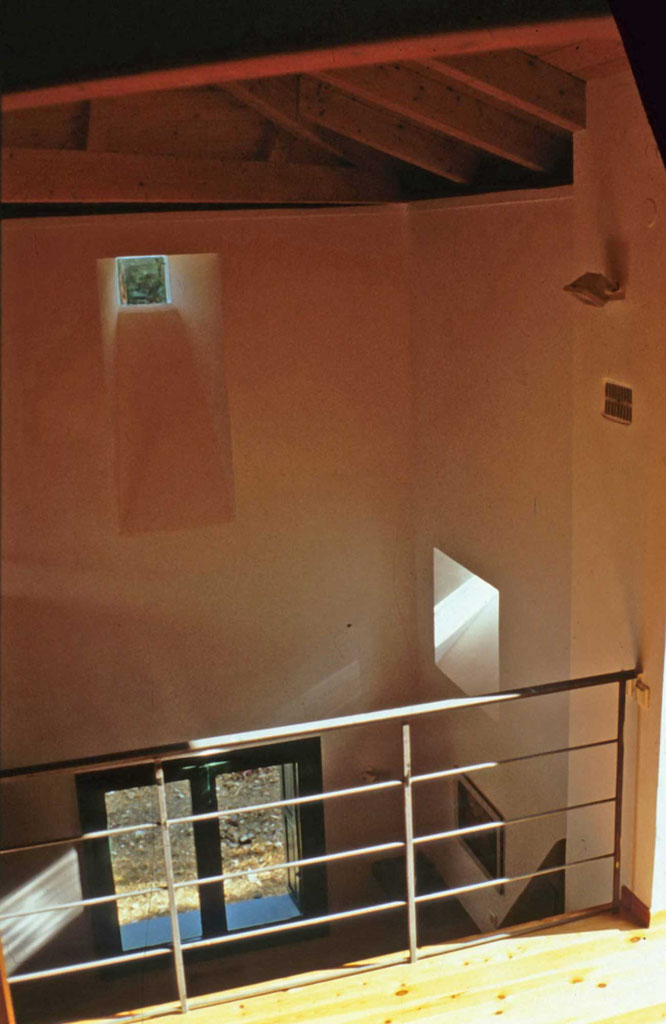
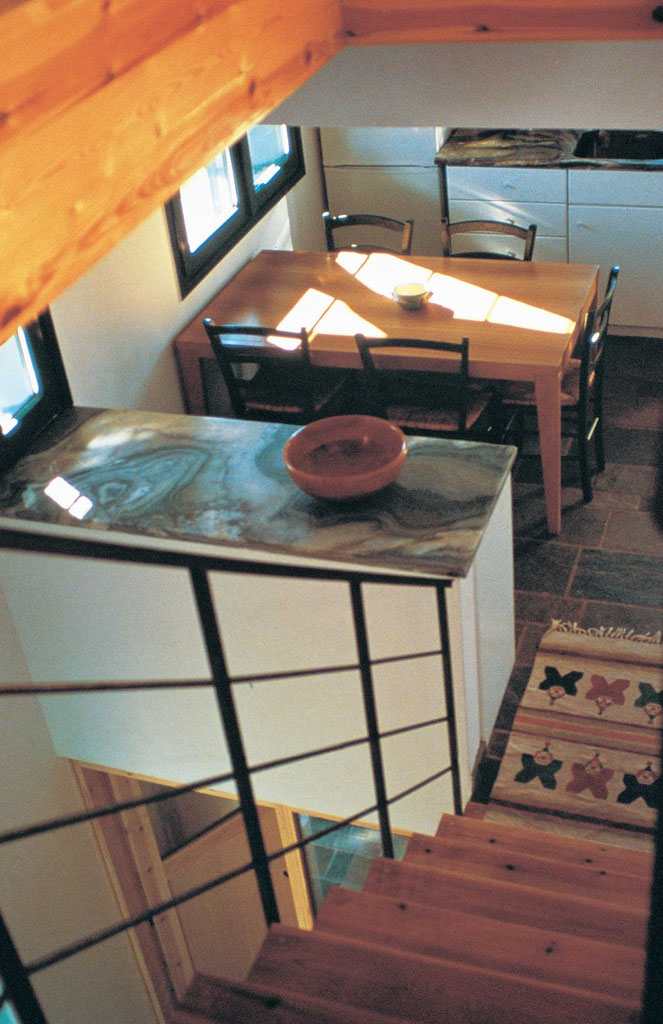
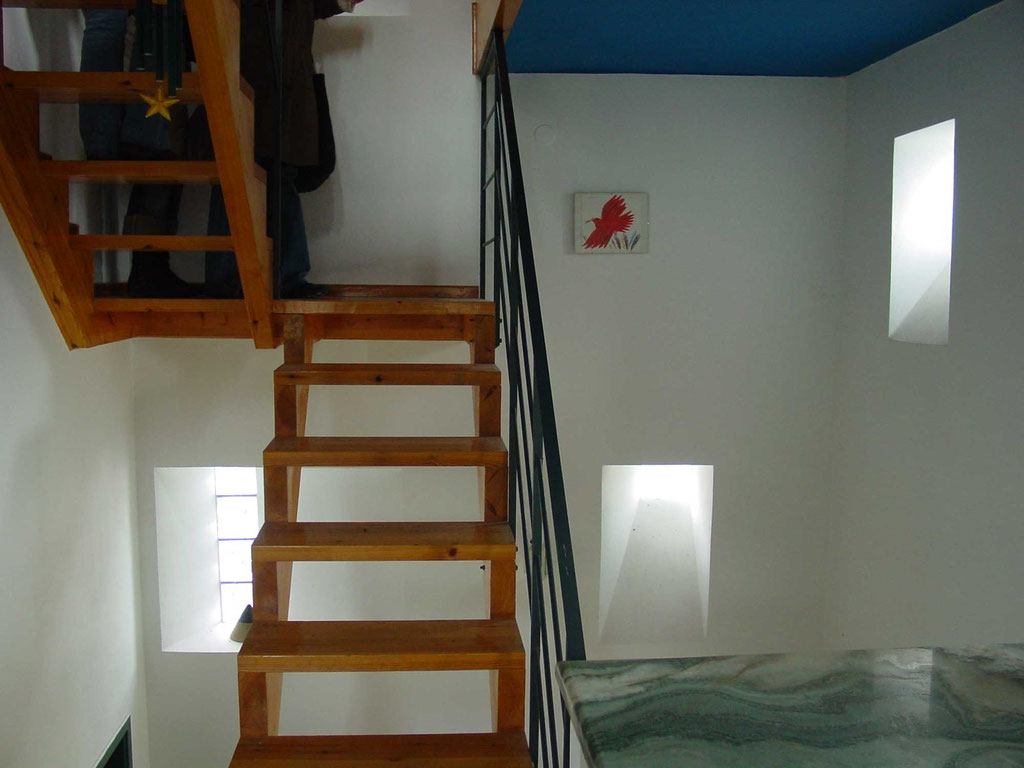
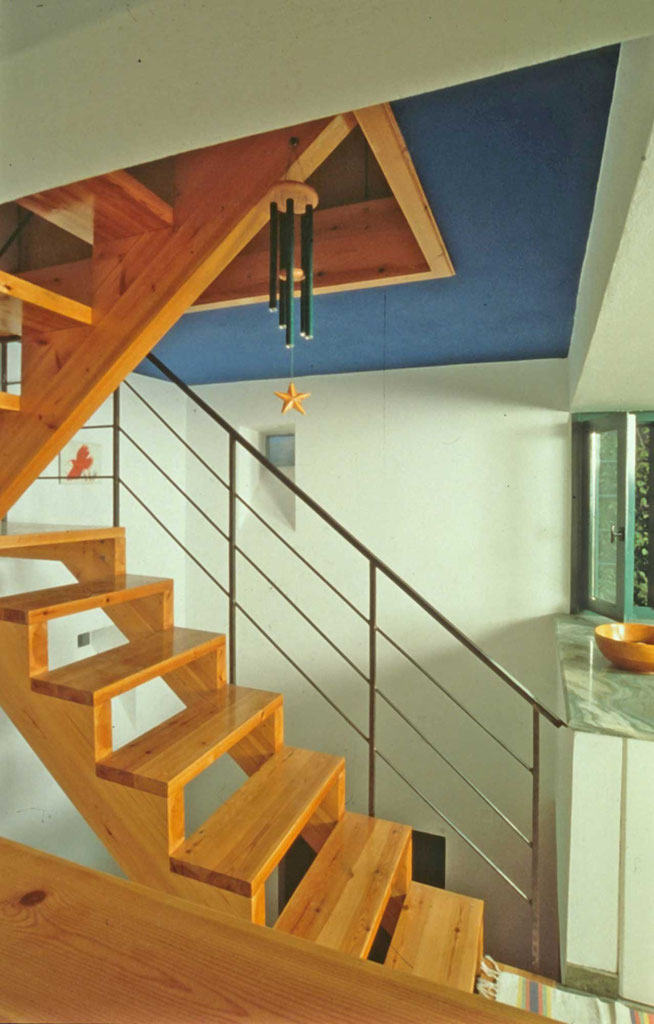
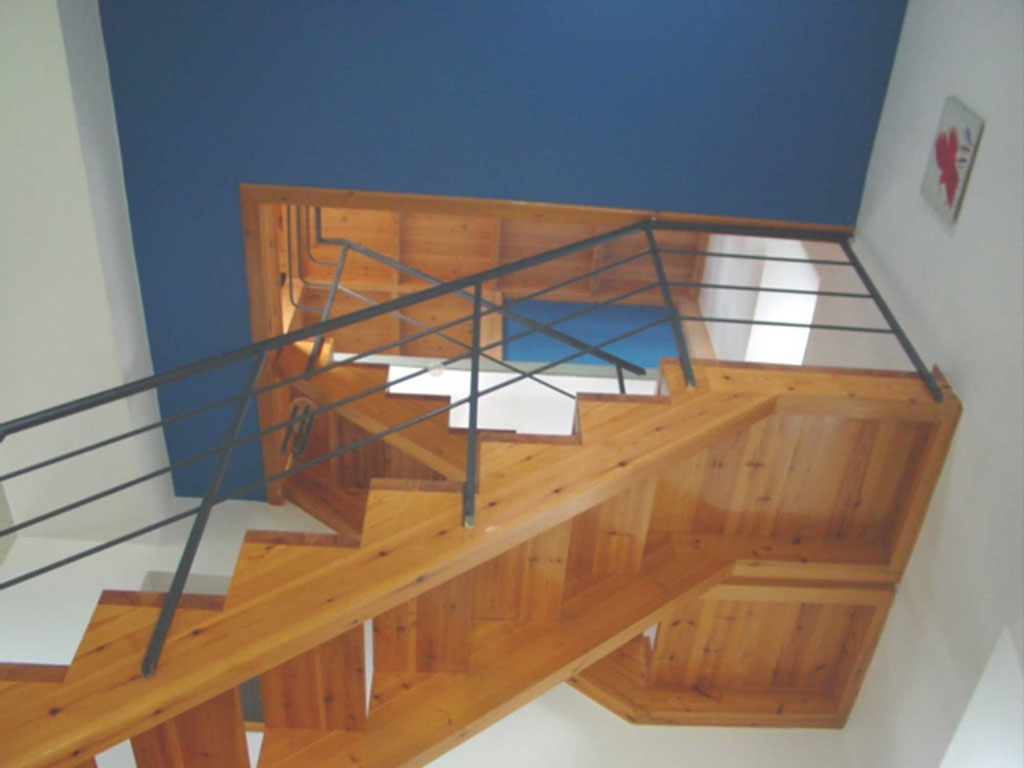
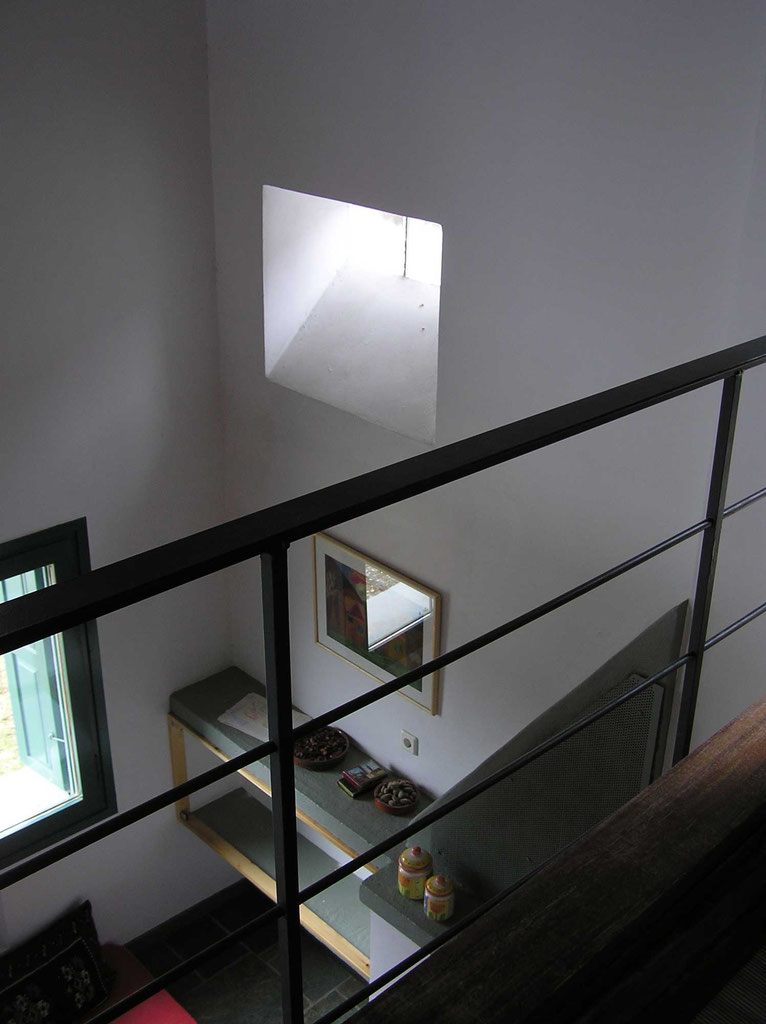
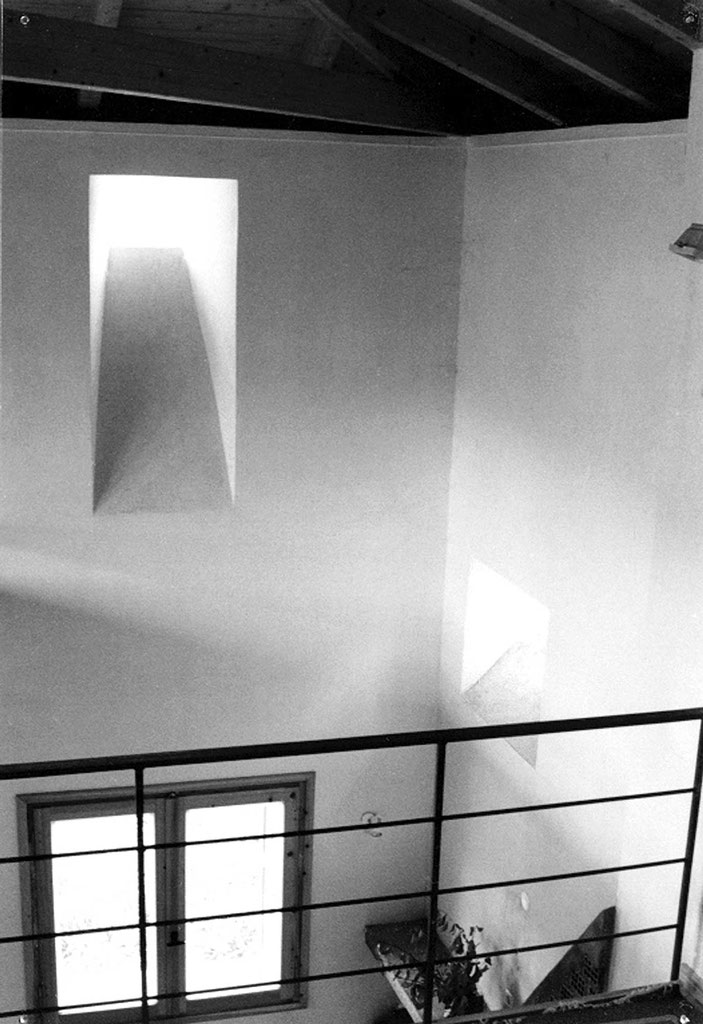
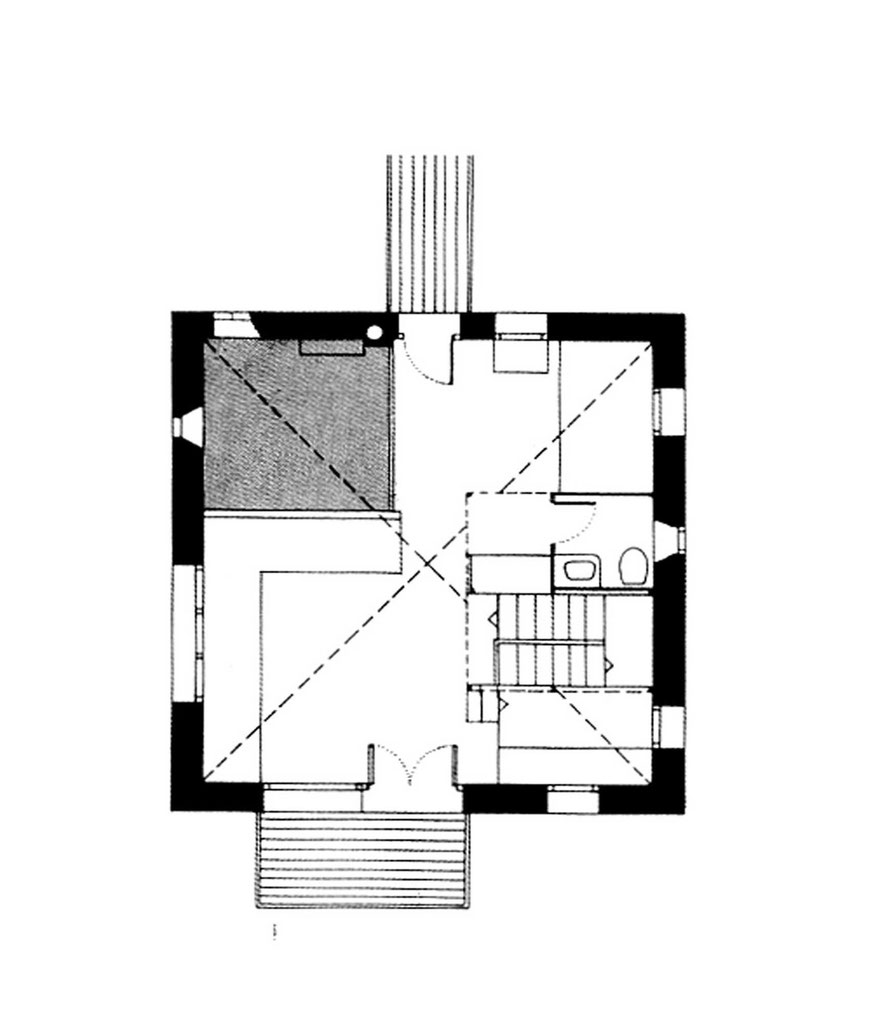
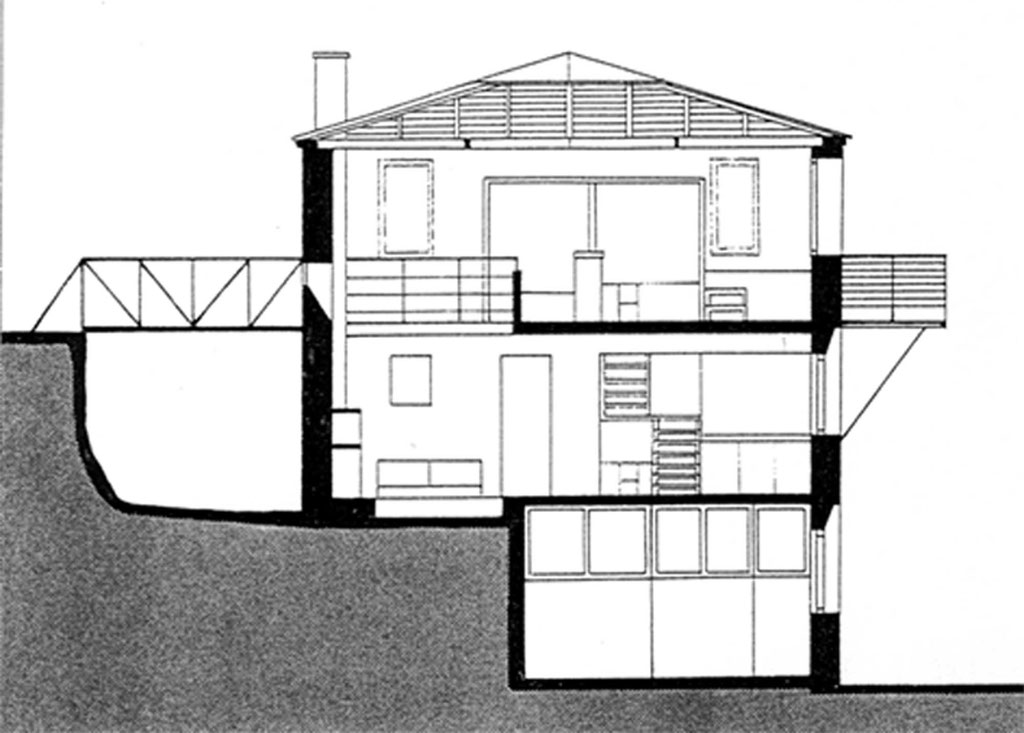
The house is conceived as a vertical entity - a tower rooted in the earth. As it ascends from basement to attic, it offers the inhabitant a sequence of spatial experiences. It acts as a shell resisting the wind that assails it, absorbing the warmth of the winter sun and cooled by the summer breeze. It both shelters and shapes its resident. The austere, compact external form draws from the local stone-built rectangular dwellings of the village, marked by their modest wooden balconies. The use of local stone and construction teams from nearby villages combined traditional craftsmanship with modern concerns for improved energy efficiency. Behind its severe and minimal façades lies a complex interior, rich in level variations, internal balconies, and visual transparency. The natural slope of the terrain enabled the extension of the residence onto different levels of the yard. The access path, leading through a bridge at the upper level and culminating at the singular balcony, was carefully studied to choreograph the gradual unveiling of the view and structure the interior layout. The internal layout is segmented by geometric lines that define distinct spatial territories, each with its own identity. Their positioning responds to function, orientation, and views.
Living spaces are located at the two uppermost levels, oriented southeast toward the view. Service areas and the stairwell are concentrated to the north, functioning as a thermal buffer. The spatial organization is characterized by economy and precision: each area is dimensioned minimally yet adequately according to its use. In the limited interior volume, any sense of restriction is offset by visual openings - both within and outwards to the landscape.
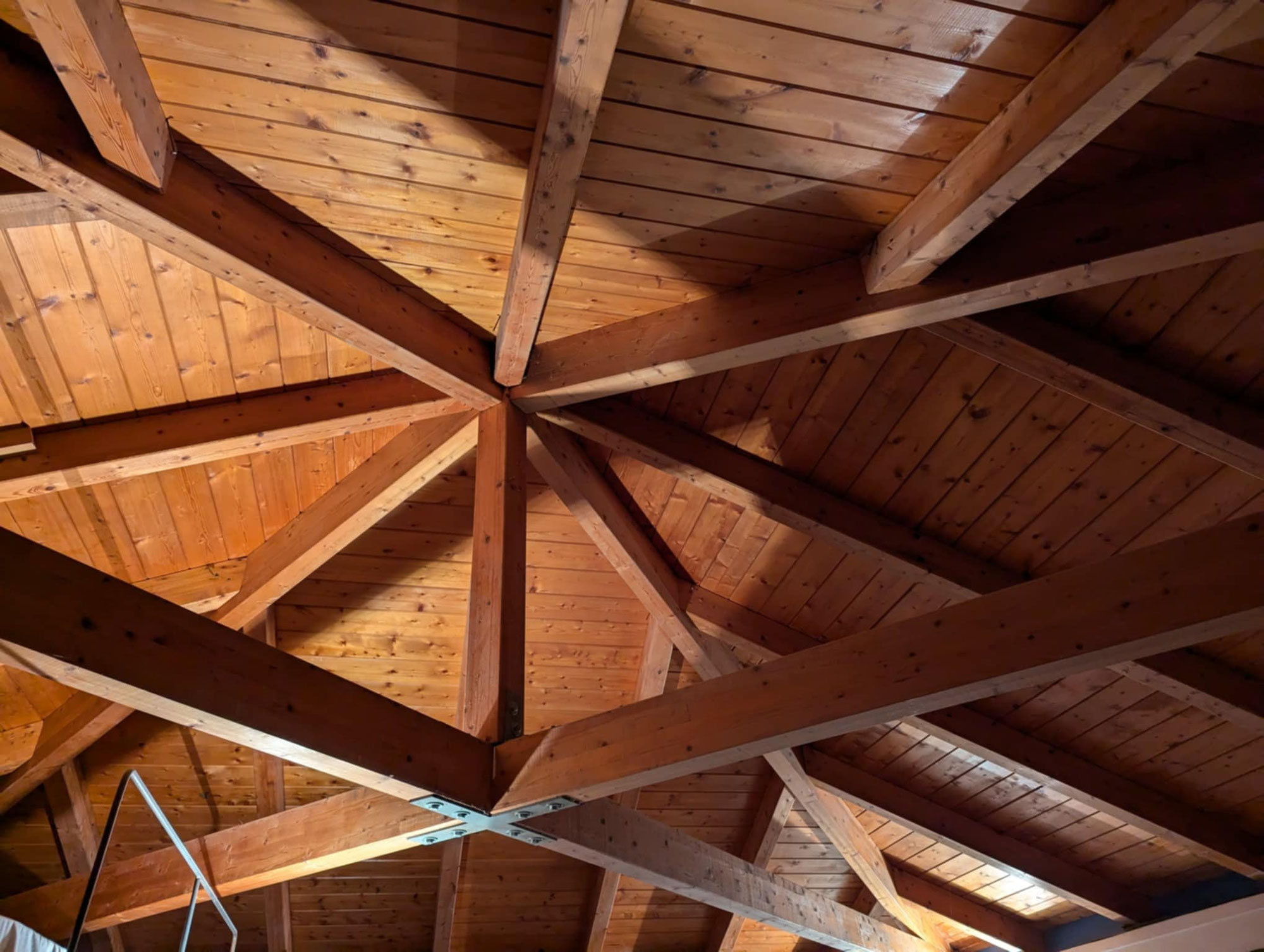
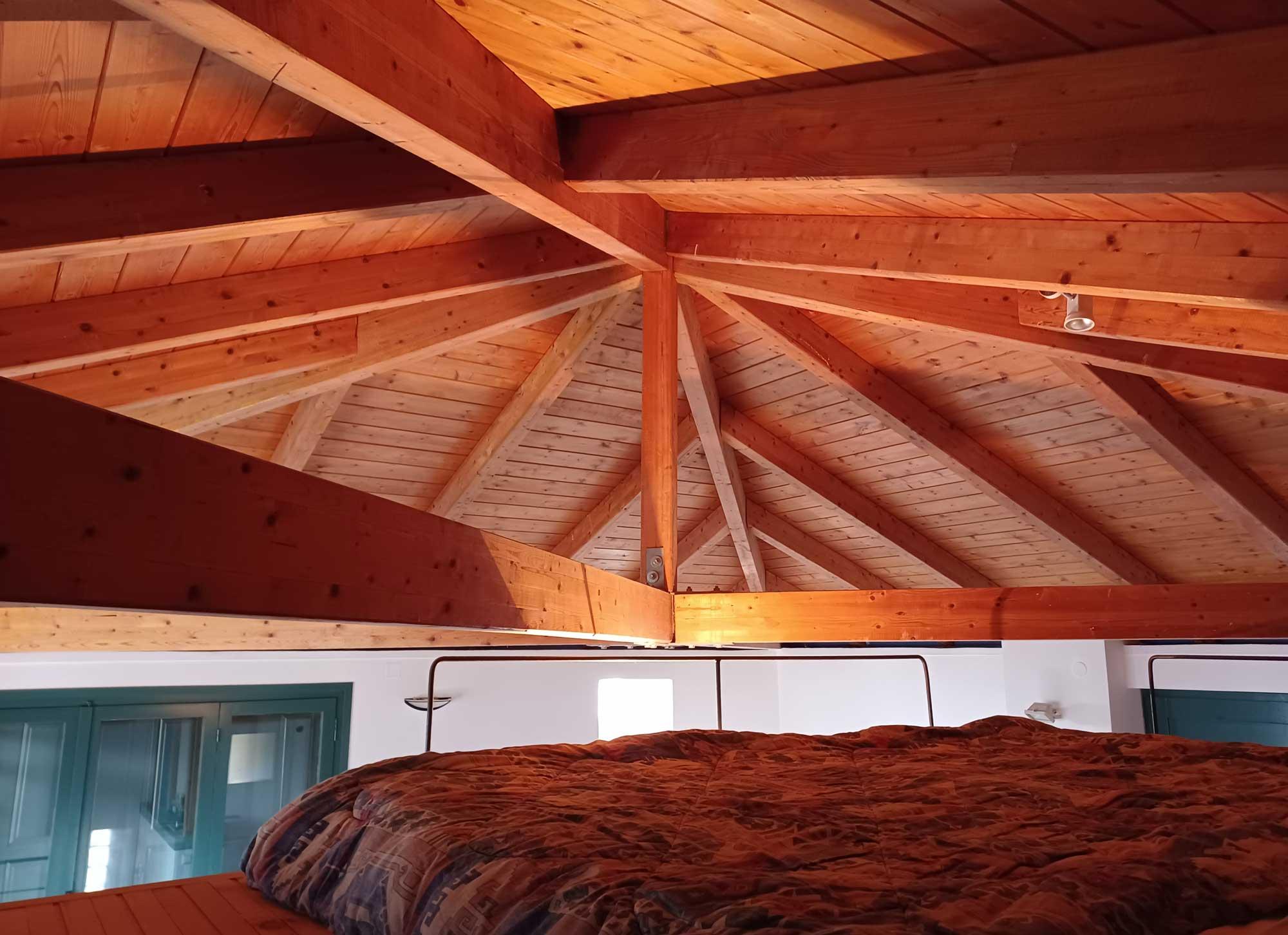
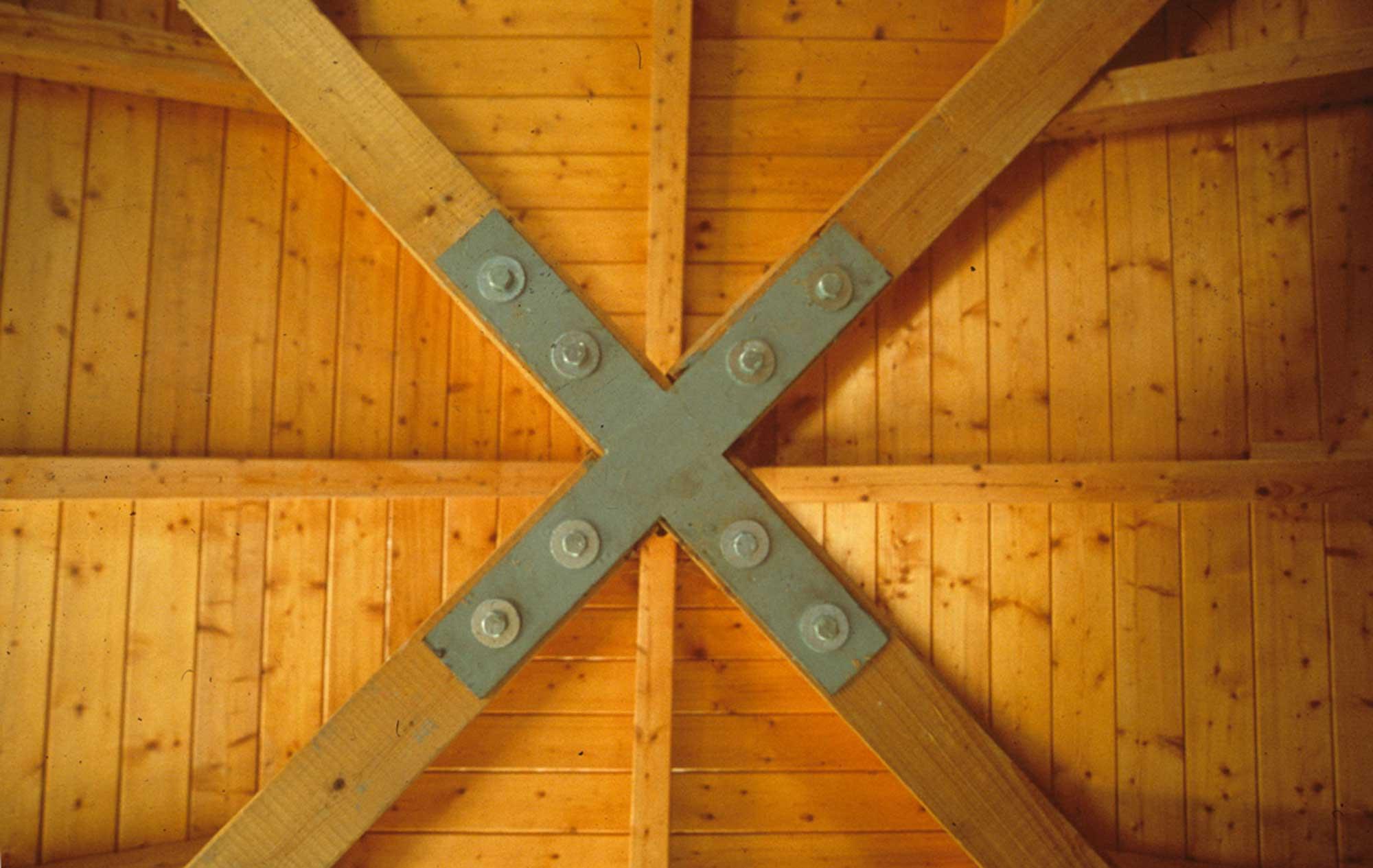
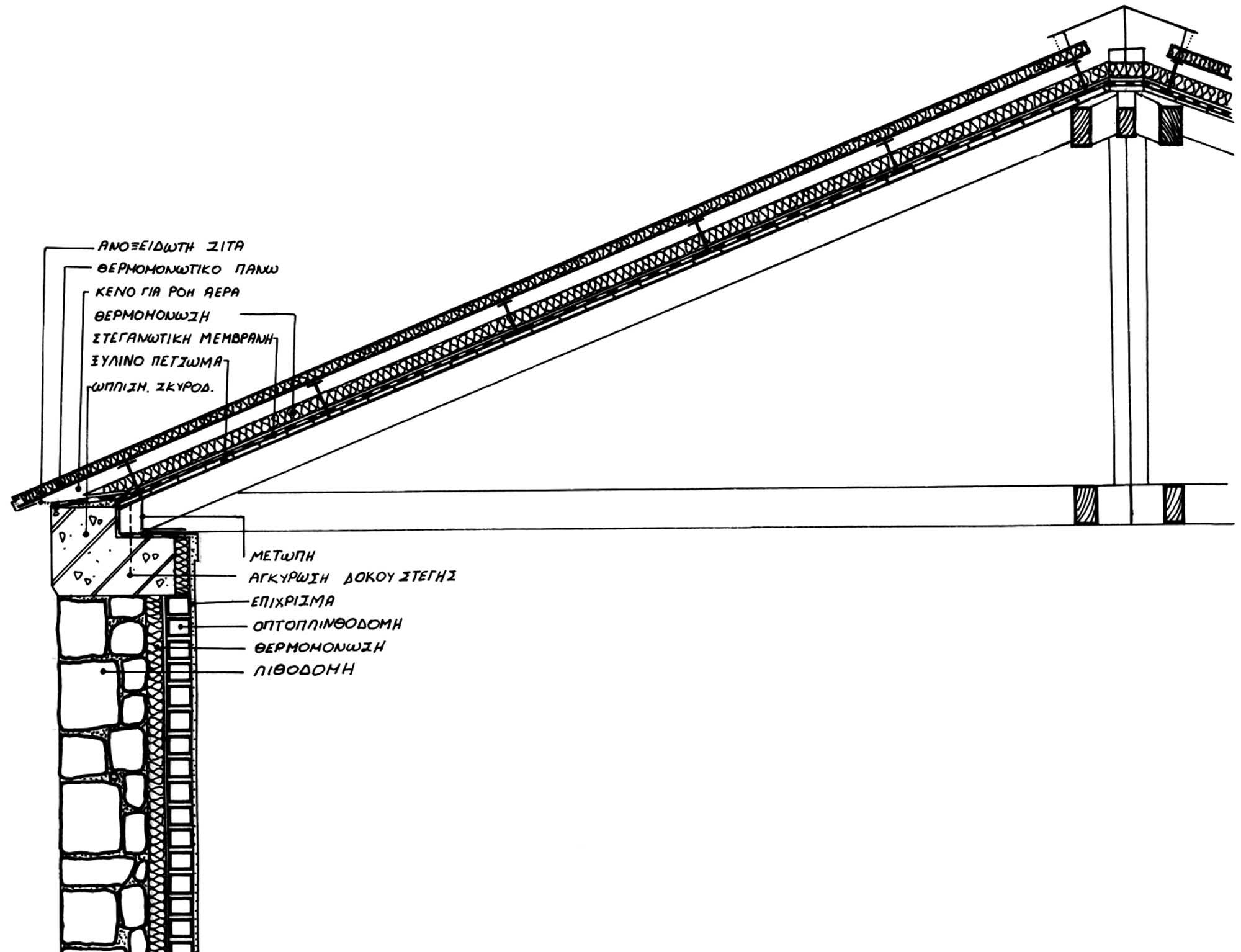
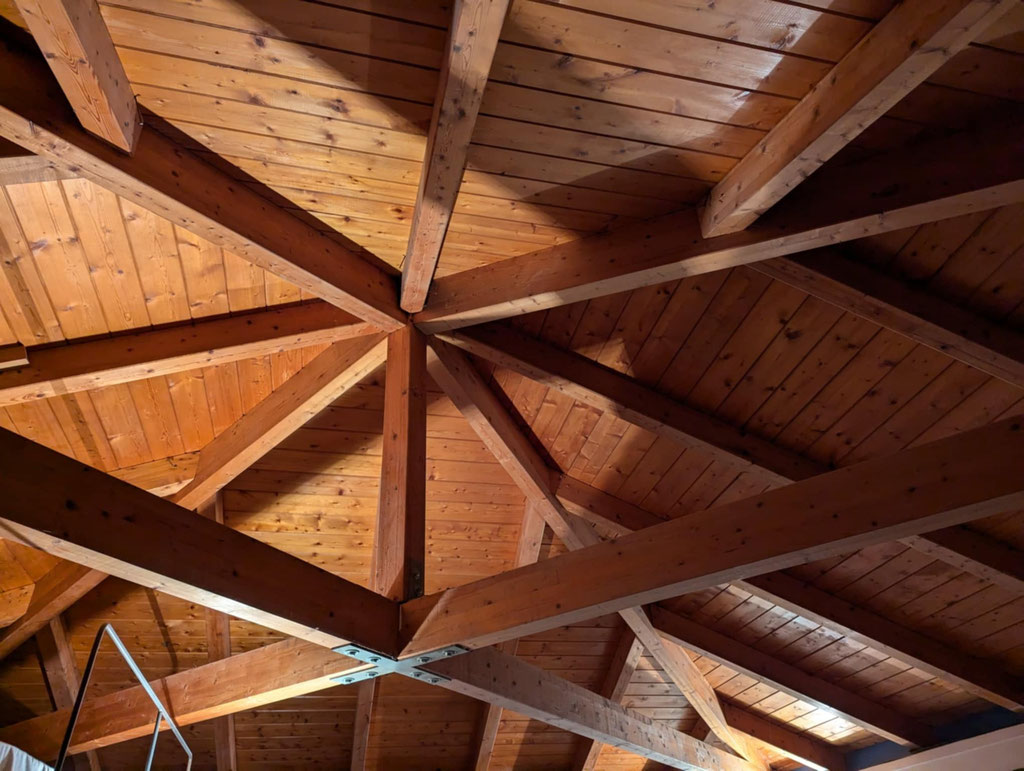
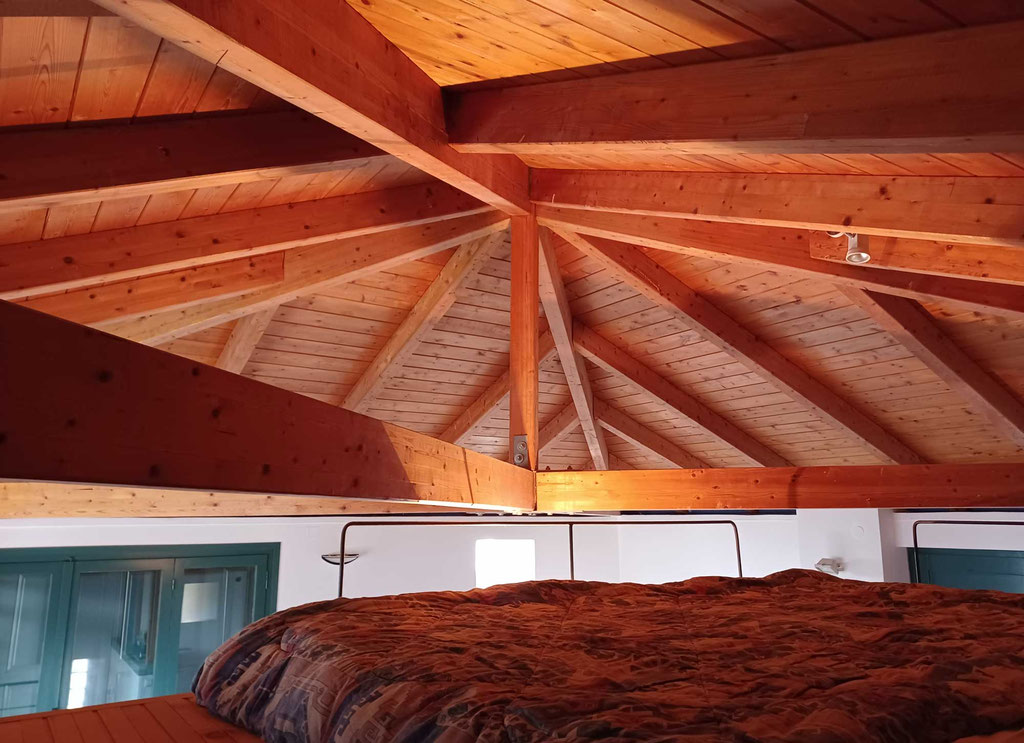
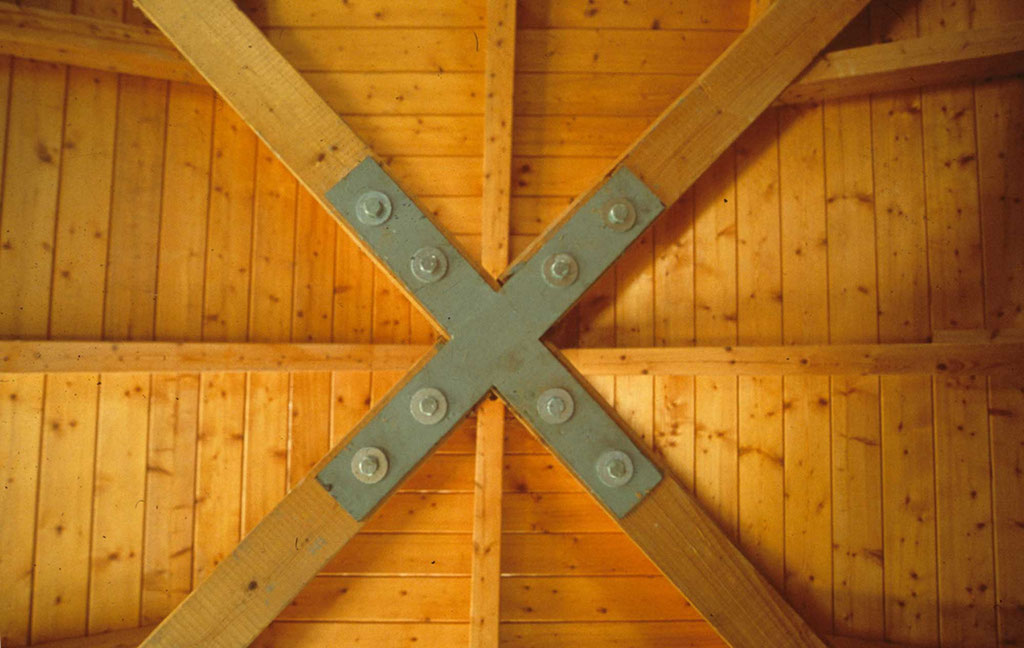
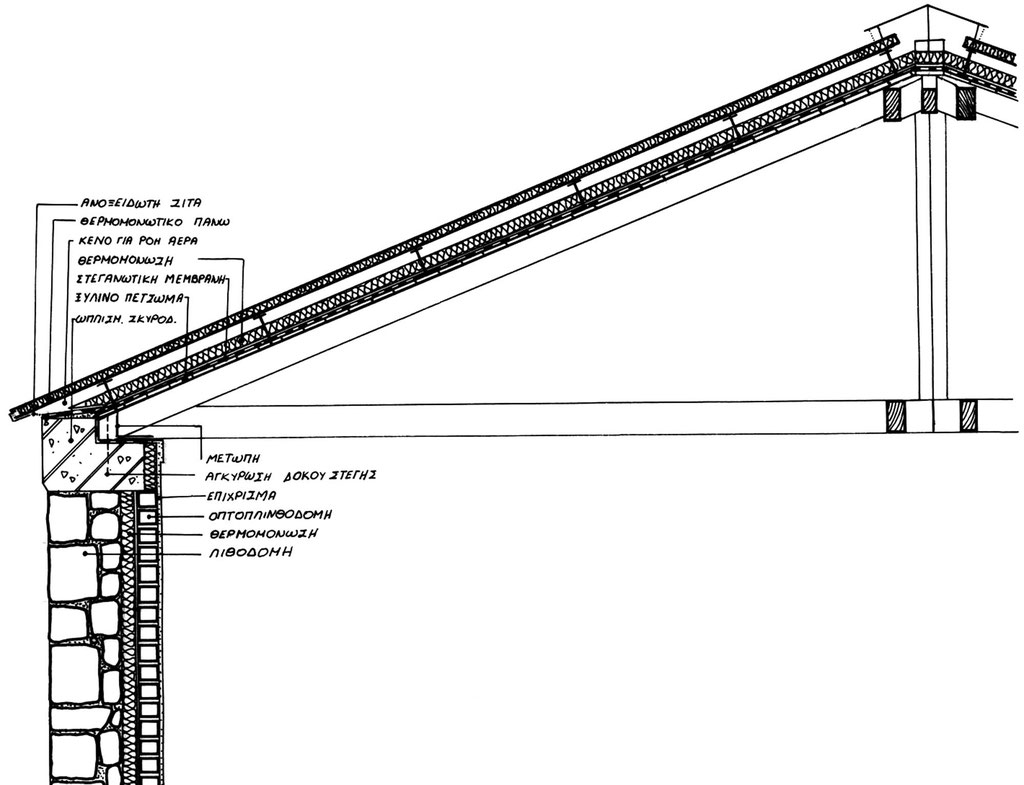
The structure is composed of load-bearing stone masonry, with reinforced concrete reinforcement bands, exposed concrete floor slabs, a ventilated pitched roof with engineered timber, and insulated metal panel cladding. The balcony and bridge are made of steel structural elements with wooden infills. Openings feature double-glazed windows, timber frames, and external wooden shutters.
DISTINCTIONS
- A. Tritsis Prize, National Architectural Competition for Ecological Housing, Ministry of the Environment, 1999
- Selected for energy performance monitoring by CRES _ Ministry of Development, 1999
- Honorable Mention in “Architecture Awards 2000”, Hellenic Institute of Architecture (EIA)
PUBLICATIONS
- Themata Chorou + Technon, Issue 30 / 1999, pp. 140–141
- Greek Housing 2000 – Antonis Tritsis Awards, Ministry of the Environment, pp. 22–25
- Architecture Awards 2000, EIA, 2001, pp. 44–47
- Architectural Work in Greece, Ktirio, No. 7, 2002, pp. 104–107
- Ktirio, No. 146, Sep 2002, pp. 107–110
- The Dwelling in Greece from the 20th to the 21st Century, EIA, p. 69
- Bioclimatic Architecture in Greece, Ergon IV, 2009, pp. 66–77
- GreekArchitects.gr
CITATIONS
- Penelope Green, “Doric Tower”, The Architectural Review, No. 1253, July 2001, pp. 68–69
- View, The Architectural Review, No. 1250, April 2001, p. 24
- ON: the Modern & the Contemporary in European & Japanese Culture, Hellenic Ministry of Culture
- A. Giacumacatos, “Grecia 2004. La città e l’architettura: un conflitto irrisolto”, Area 75, July/Aug 2004, pp. 186, 192
- Letter from Athens, freelibrary.com
- K. Patestos, “How the Contemporary Can Also Be Traditional”, To Vima – New Eras, 4/6/2000, p. B9/25
- K. Patestos, From the Podium of Architecture, Kastaniotis, Athens 2004, pp. 148–152; Athens 2006, p. 61
- P. Tsakopoulos, “Contemporary Architecture in Mountainous Areas”, Hellenic Constructions, Issue 73, Dec. 2002, pp. 172–173
- A. Giakoumakatos, History of Modern Greek Architecture: 20th Century, Nefeli, Athens 2004, p. 145
- T. Biris, T. Koumbis, “Conversations on Architecture”, series: Architectural Flashes 01, Papasotiriou, 2008, pp. 160–161
- K. Adamakis, “Historical Structural Systems”, DUTH publication, pp. 2–5
- Architecture Awards 2000 jury proceedings, EIA 2001, pp. 7–13
- Architecture Awards 2000, Kerdos Newspaper, 11/03/2001, p. 27
- V. Saitis, “With a View to the Vardousia”, The World of Buildings, Issue 18, 2/1999, pp. 94–98
- I. Stamou, “Bioclimatic House Powered by Natural Energy”, Ideas & Solutions for the Home, Issue 190, Nov 2000, pp. 324–330
EXHIBITIONS
- ON: the Modern & the Contemporary in European & Japanese Culture, Tokyo, Dec 18–22, 2006
- Ecological Housing, Zappeion Hall, Dec 8–19, 1999
- Contemporary Housing, Kifissia Exhibition Center, Mar 8–13, 2000
- Ecological Building, Gazi, June 2–5, 2000
- Environment 2000, Peace & Friendship Stadium, Nov 16–19, 2000
- Architecture Awards 2000, National Hellenic Research Foundation, Mar 12–28, 2001, EIA
- Architecture Awards 2000, Thessaloniki Port Warehouse B, June 14–27, 2001
- Architecture Awards 2000, Municipal Theater of Mytilene, Sept 23 – Oct 10, 2002
- 1st Exhibition of Women’s Work, NTUA School of Architecture, Nov 2005
- Scientific Work of Women Engineers, Technopolis Gazi, March 29–30, 2008
- The House from the 20th to the 21st Century, Benaki Museum, Jan–Mar 2009
- 3+2: Architecture at the Summer Solstice, Tellogleion Foundation of Art, Aristotle University of Thessaloniki
*ENERGY PERFORMANCE – ACCOMPANYING TEXT
The house’s envelope is conceived as a dynamic filter that mediates between external climatic conditions and the desired internal microclimate, ensuring thermal comfort and energy efficiency year-round. The compact building form minimizes exposed surface area, reducing thermal losses.
The façade design reflects both solar orientation and views. The south façade concentrates larger openings for passive solar gain and landscape views in winter. The north façade features small openings to minimize heat loss, while contributing to cross-ventilation in summer. The western façade, with limited sunlight and view, minimizes openings. Eastern-facing spaces are prioritized for living areas to benefit from the mountain view, while solid surfaces are used in the stairwell to retain heat.
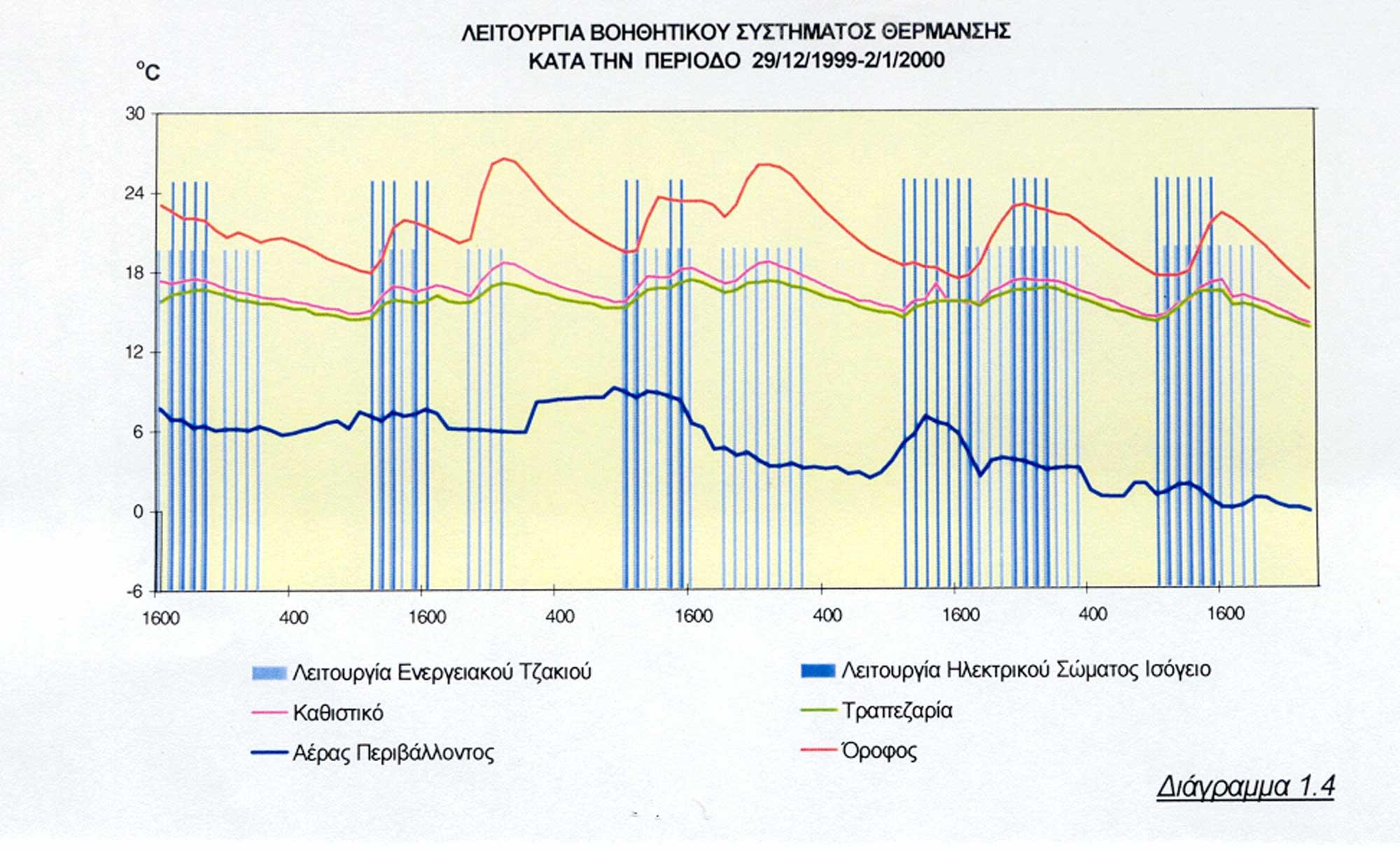
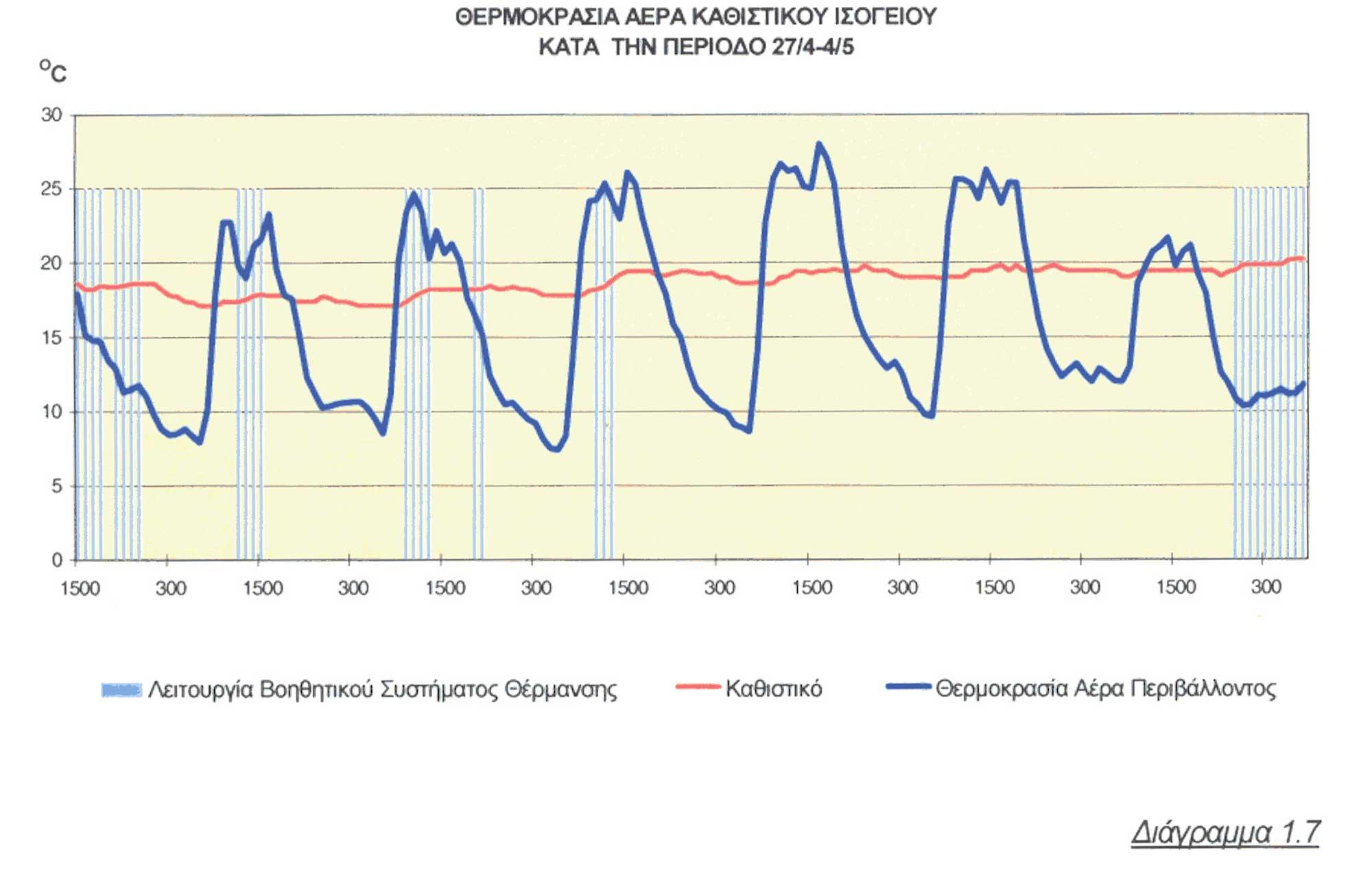
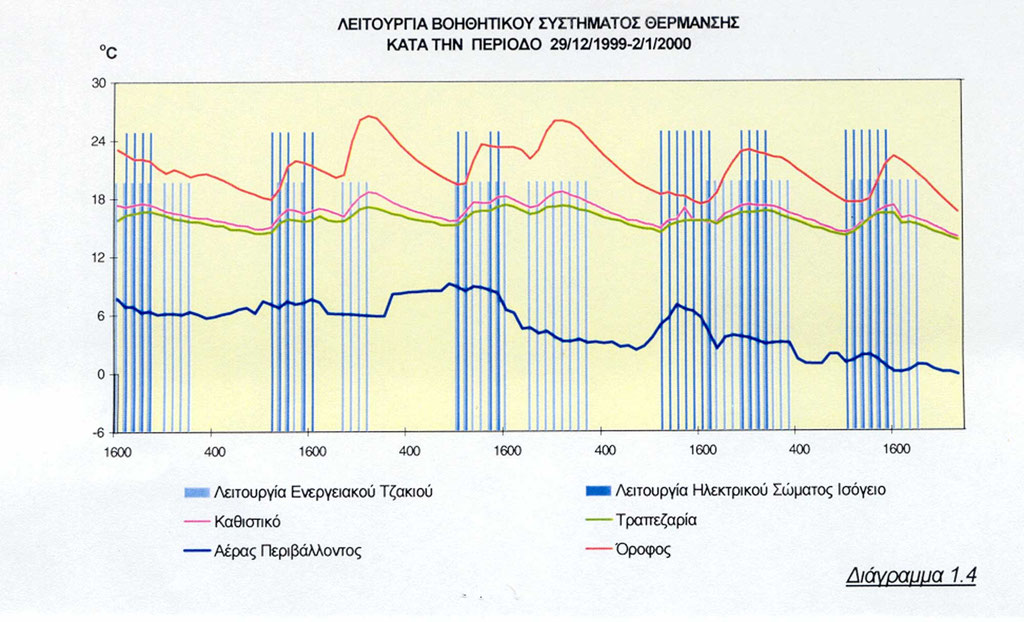
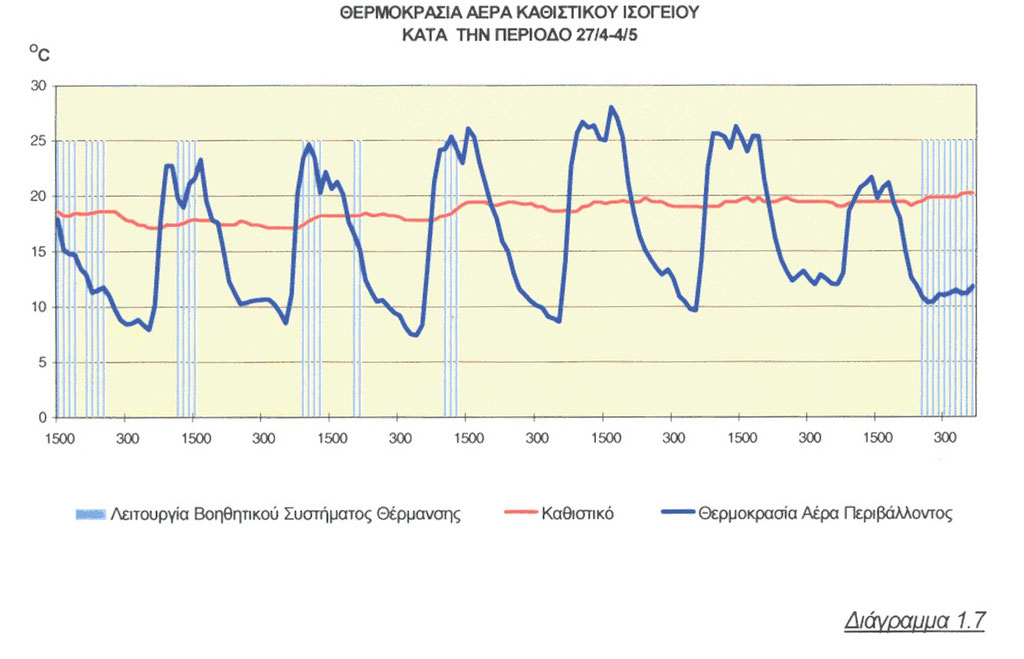
The masonry wall system (30 cm stone, 5 cm insulation, 9 cm brick, internal plaster) has high thermal mass. Winter heating demands are efficiently met through a central energy fireplace located on the mid-level, with auxiliary electric heaters on the lower levels. During summer, the vertical spatial organization promotes strong stack ventilation. Combined with the roof ventilation, thermal mass, shaded openings, nighttime airflow, and surrounding vegetation, the house requires no active cooling.
Contributors
Architect
Structural design
Bioclimatic study
Interior design
Supervision
Photos
Next Project

From the archive
Index